

Your Attention Please
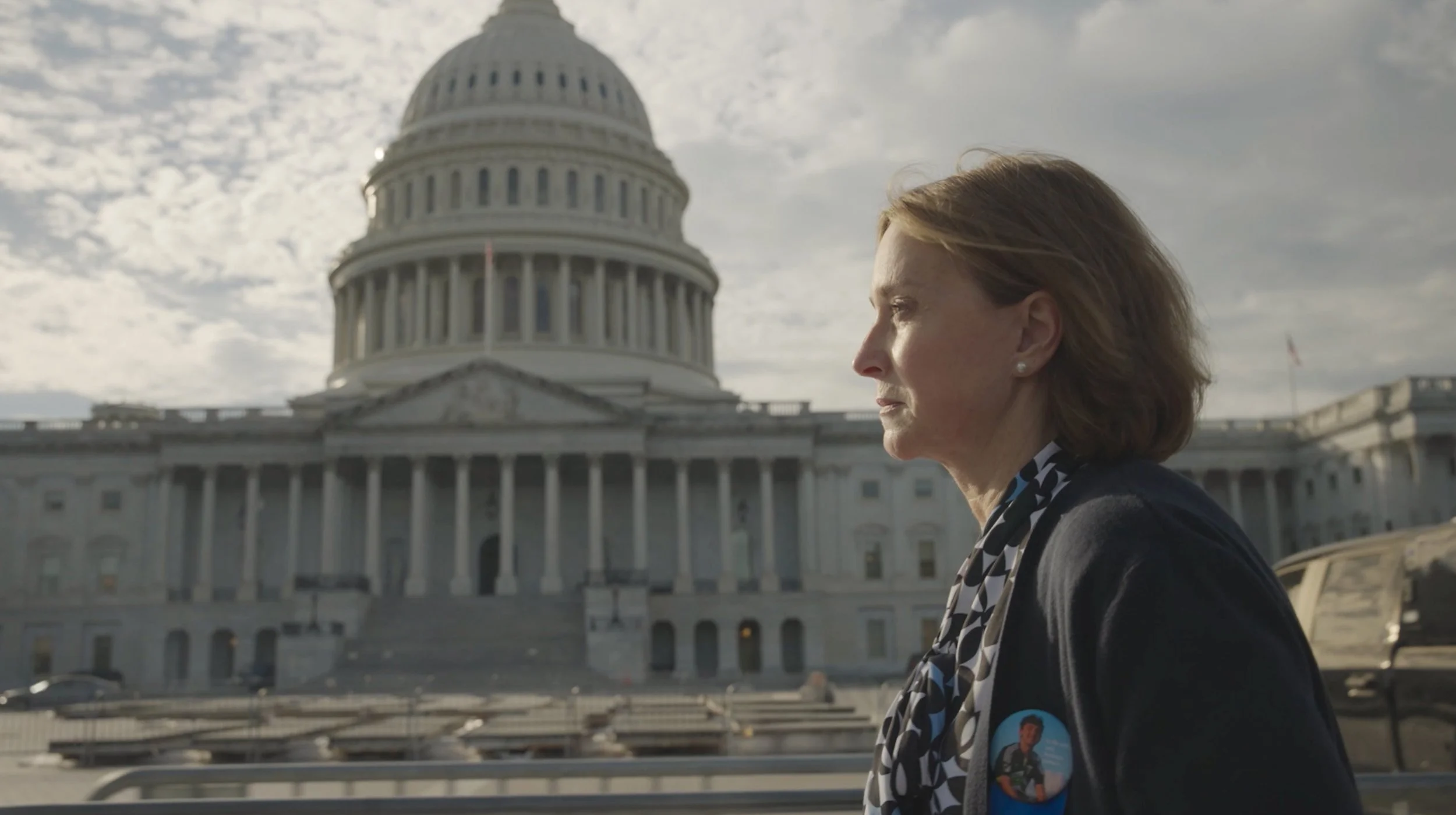
Kristin Bride on Capitol Hill in 2024, advocating for social media reform.
Photo by Yahna Harris. Courtesy of Attention Rebellion.
As New York City grapples with AI policy in schools and impact of emerging tech on youth demographics, there has never been a more timely moment for “Your Attention Please.” The film sheds light on the profound effects of social media and smartphone culture on our lives while also foreshadowing AI concerns. “Your Attention Please” delves into the human cost of our digital habits while presenting solutions from various advocates and young innovators aiming for change, and it’s a powerful work that is gripping and provocative.
Your Attention Please arrives October 6, available to rent or own on Apple TV and other platforms. The documentary follows a mother pursuing legislative reform after losing her son, a young programmer building technology to stop cyberbullying, and a global movement of people choosing to put their phones down. It premiered at SXSW 2026 and features Tristan Harris, Facebook whistleblower Frances Haugen, former US Surgeon General Dr. Vivek Murthy, Sherry Turkle, and Cal Newport.
The film is directed by Sara Robin, written and edited by Jack LeMay, and includes such people as social media reform advocate Kristin Bride.
Your Attention Please seamlessly blends intimate human stories with insights from leading experts in tech reform and digital well-being. The film asks some of the most urgent questions of our time: Can we reclaim our autonomy? Can technology be redesigned to serve humanity? And what does a healthier relationship with the digital world look like for us and our kids?
Empire City Wire had an opportunity to catch up with a few of the principals involved in bringing the project to life.
THE VISION BEHIND THE DOCUMENTARY
Director Sara Robin explains that the inception of the project was rooted in her personal struggle with phone addiction. She realized that many people were seeking a healthier relationship with technology and were eager for solutions. Robin says,
"I thought, I'm really interested in what solutions are out there and how we can start to create a more positive relationship with technology again."
Initially, the film was meant to focus on individuals breaking up with their phones. However, as the story evolved, it expanded into a much larger conversation about the role of technology in society.
PERSONAL STORIES AND ADVOCACY
Kristin Bride, one of the advocates featured in the film, brings a deeply personal narrative. After losing her son to cyberbullying, she became an outspoken advocate for social media legislation, pushing for accountability from tech companies.
Bride emphasizes the importance of having someone who understands the issues from the inside. She explains,
"I didn’t feel like this was gonna be a project where somebody was going to be on the outside looking into the harms that had happened to my son online, but that we were looking at the problem side by side so I was very intrigued about being involved and sharing my journey on Capitol Hill and more."
CRAFTING THE NARRATIVE
Editor Jack LeMay had the challenge of weaving together the various threads of the film. Balancing the emotional weight of Kristin's story with the vibrant narratives of young activists was crucial. LeMay said,
"We wanted the movie to focus on empowering Gen Z stories of young people sort of pushing for a different way that this can work. And I hope that a major takeaway for all viewers is to realize that even though they may have their own social media management under control that many don’t, and this deserves our empathy, understanding, and concern.”
A GLOBAL PERSPECTIVE
The documentary's international view, examining how social media's impact transcends borders expands the story in a powerful manner. The film captures stories from different cultures, reinforcing that this issue is a global concern that is becoming more and more of a priority.
THE PATH TO POLICY CHANGE
Bride notes that lawmakers are beginning to understand the harms of social media as they see the effects on their own families. She explains,
"The senators who are older, they have grandchildren, they are seeing the screen addiction and have a much better understanding of the business model so dialogue has been very dynamic with them."
As we approach potential legislative changes in various areas of tech, the film highlights the pressing need for a unified approach to protect young users from the dangers of social media. What emerges is not a doomsday story, but a hopeful one: proof that the attention crisis is not inevitable and that a cultural shift is already underway.