

Entertainment
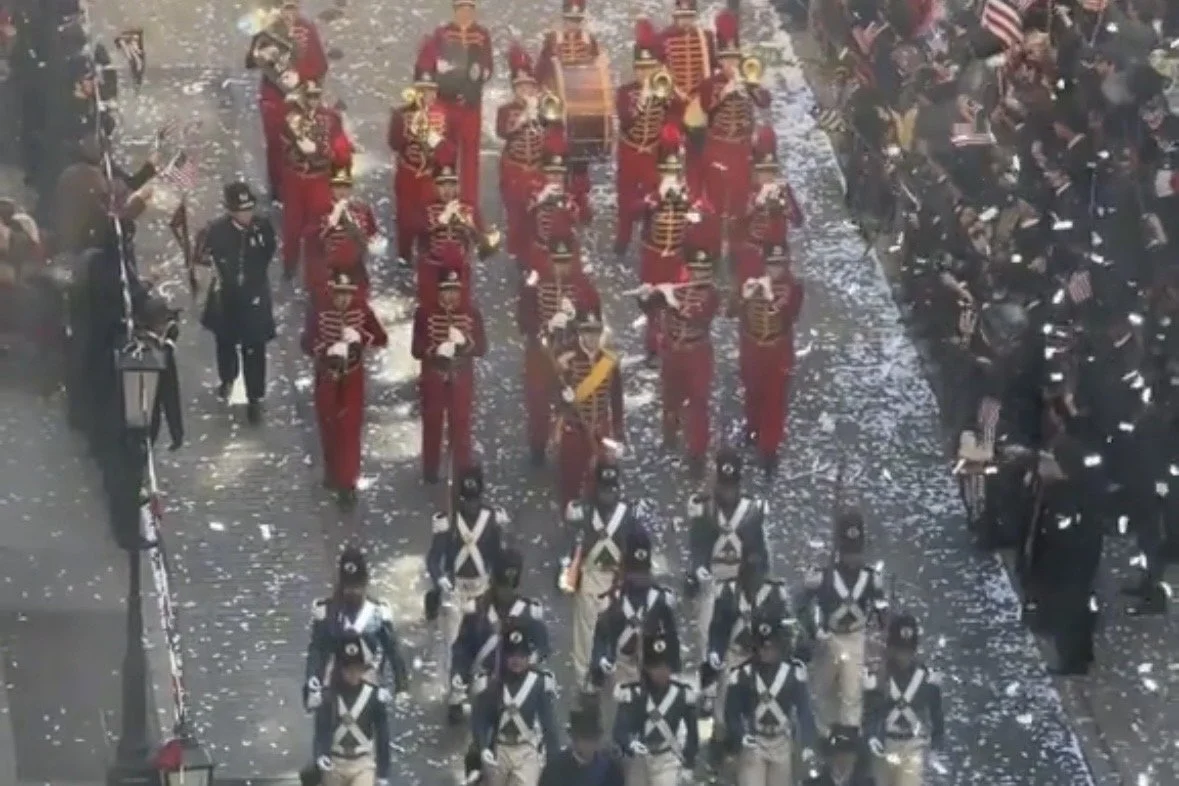
The cobblestone streets of Lower Manhattan have officially turned back the clock.
For New Yorkers, the art of the "hustle" and the ability to spot a fake are survival skills.
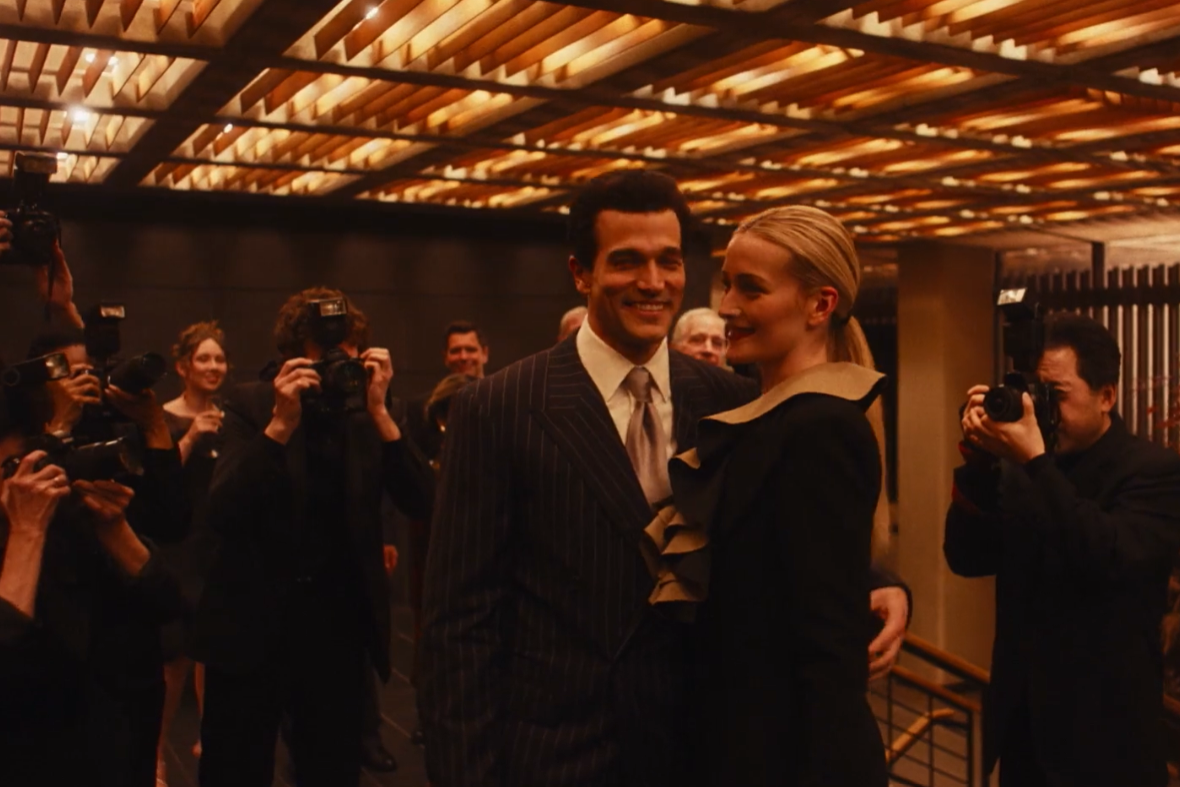
In the 1990s, the social pulse of New York wasn't tracked by an algorithm, but by the weight of a glossy magazine hitting a doorstep or a newsstand.
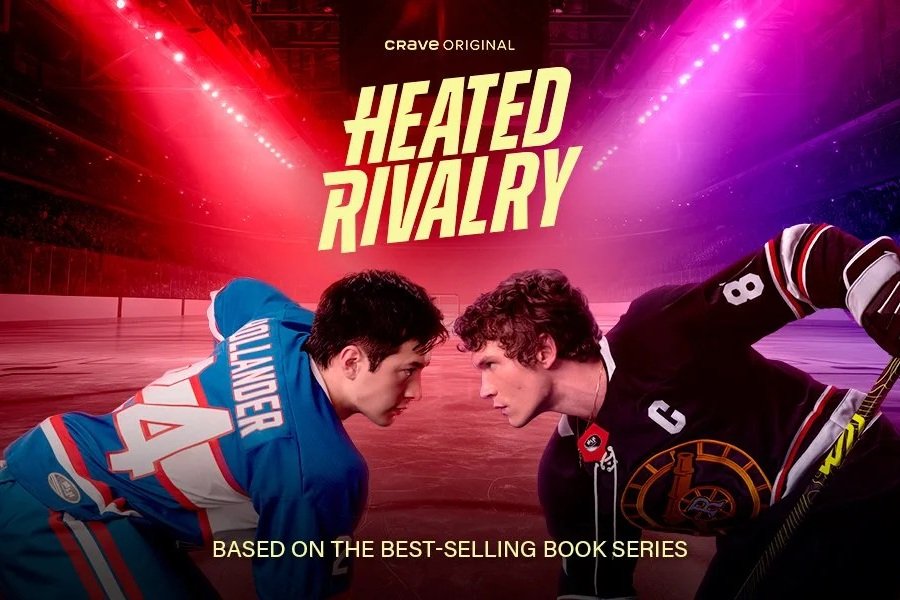
It’s more than just a hockey show; it’s a masterclass in tension, storytelling, and the high stakes of living authentically in the public eye.

The Gilded Age is a story of ambition in one of the most high stakes periods in New York City’s history.

New York City, with its towering skyscrapers, bustling streets, and eclectic neighborhoods, has served as the backdrop for countless iconic movies.
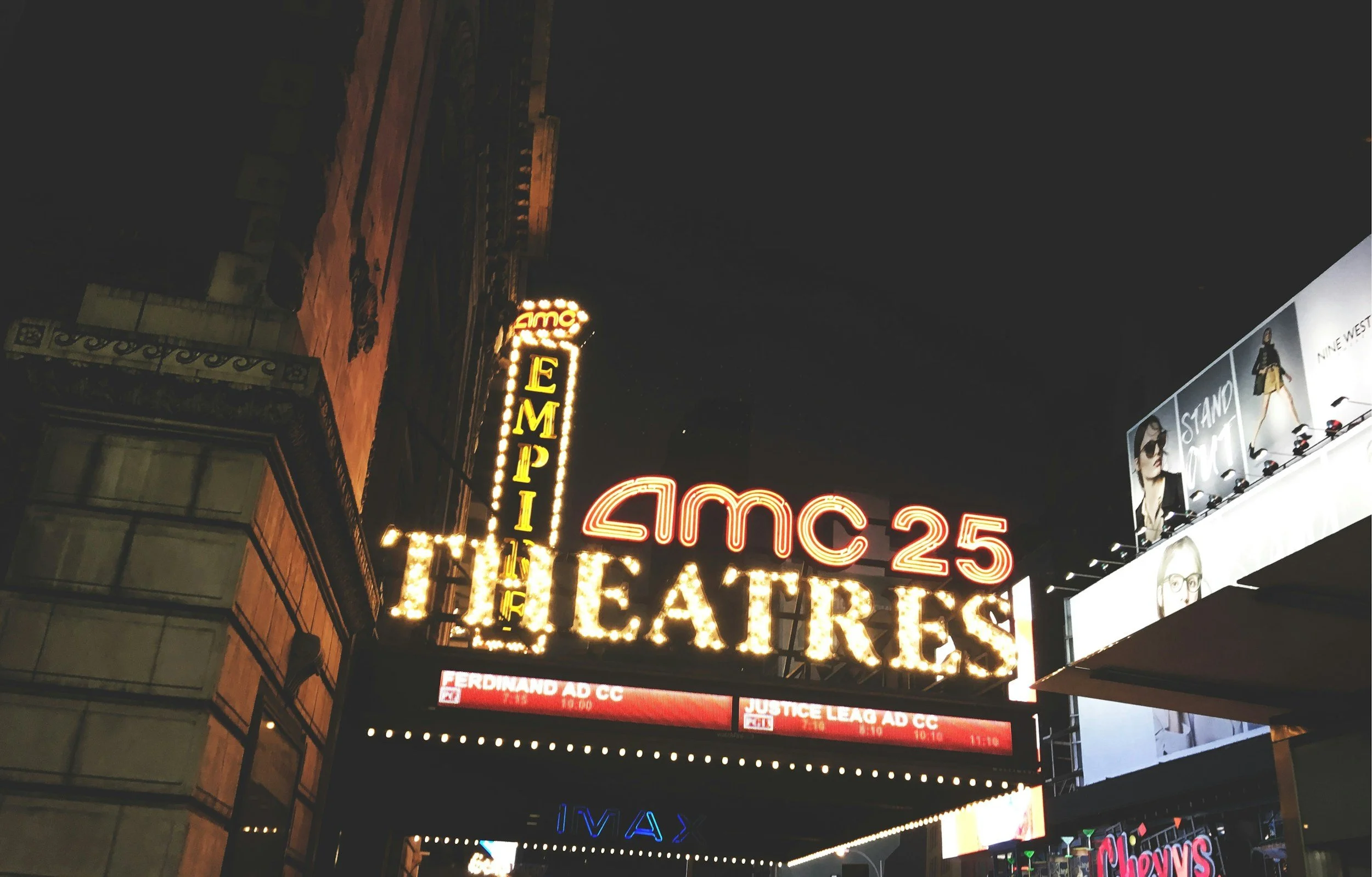
A petition launched on Change.org by local organizers has rapidly gathered thousands of signatures, calling on property owners and institutional developers to reconsider the closure of the neighborhood’s sole multiplex.

For an industry that has been battered by low attendance as a result of COVID, the film has brought audiences stampeding back to theaters for the first time in a long time.
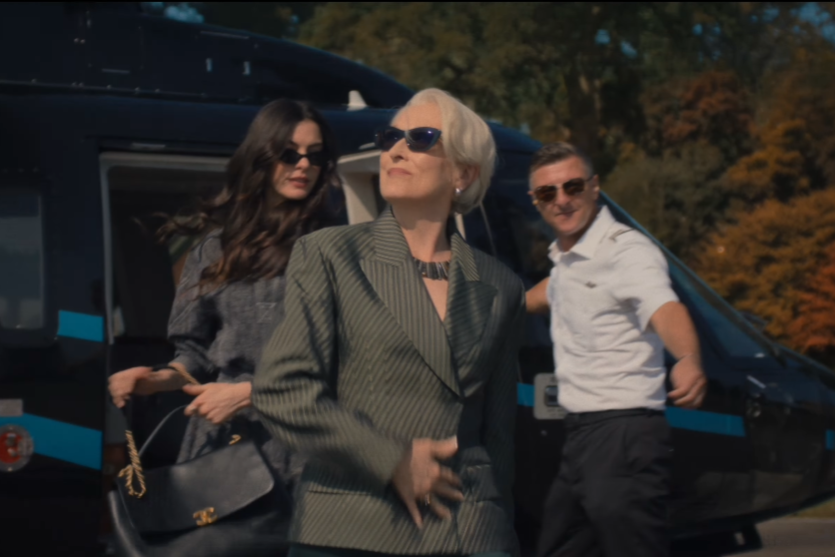
It is an essential, if sobering, watch for anyone who still believes that taste, style, and journalism require a human heart to exist.
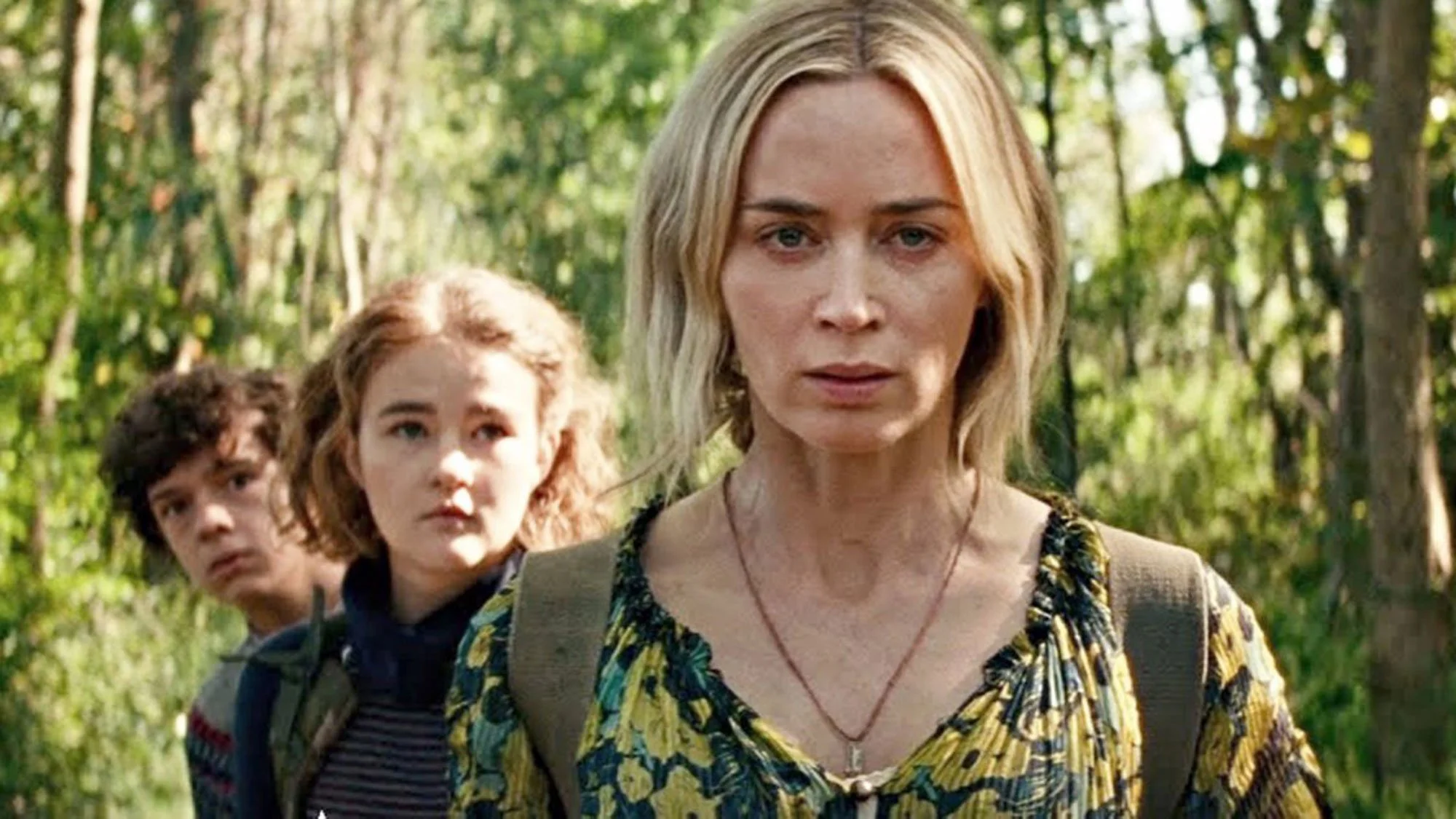
As the production continues to move through the five boroughs, our readers should keep an eye out for yellow "QPIII" parking signs—and remember to keep the volume down.
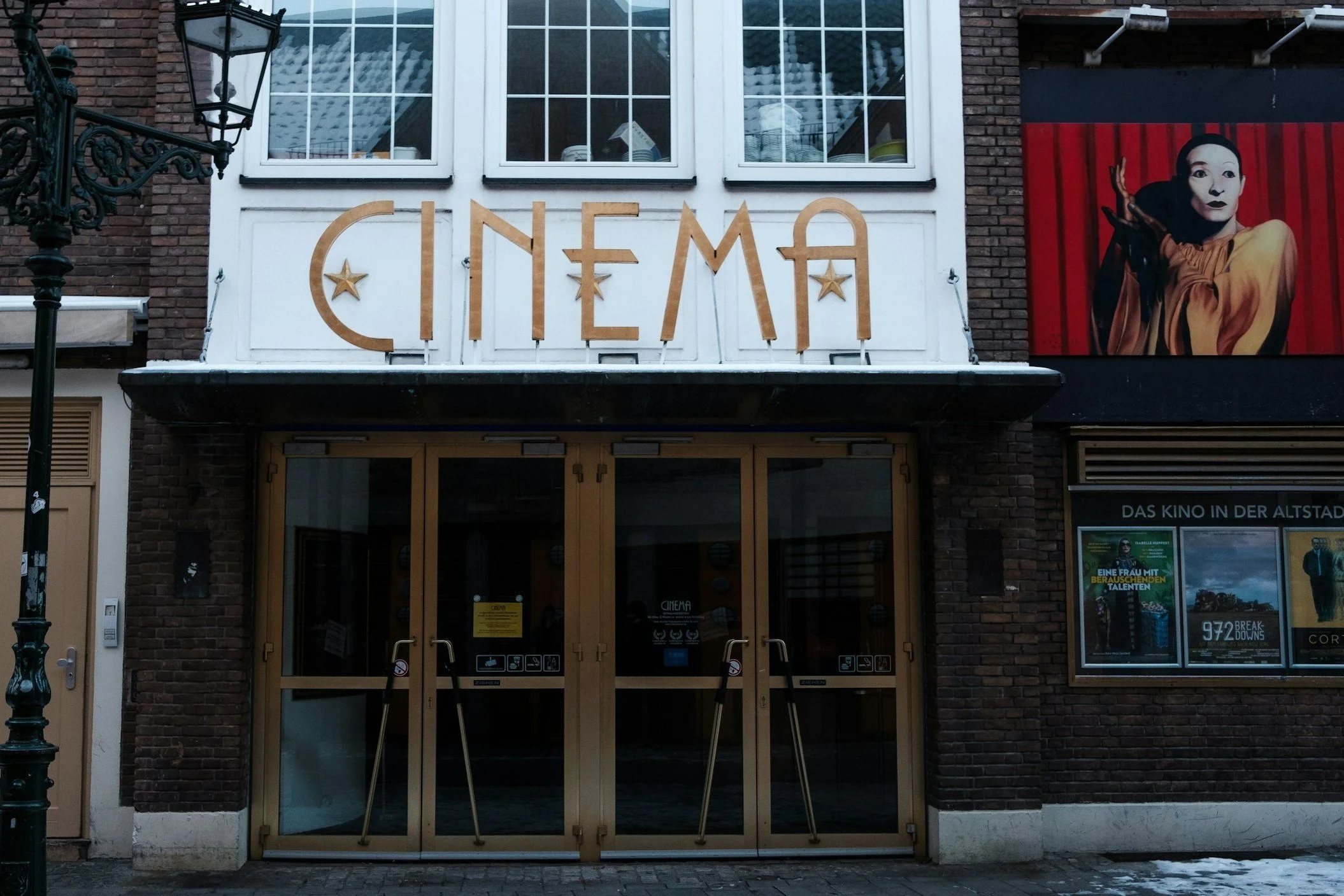
Good one-liners linger long after the credits roll, and are repeated in dorm rooms, offices, and bars for years.
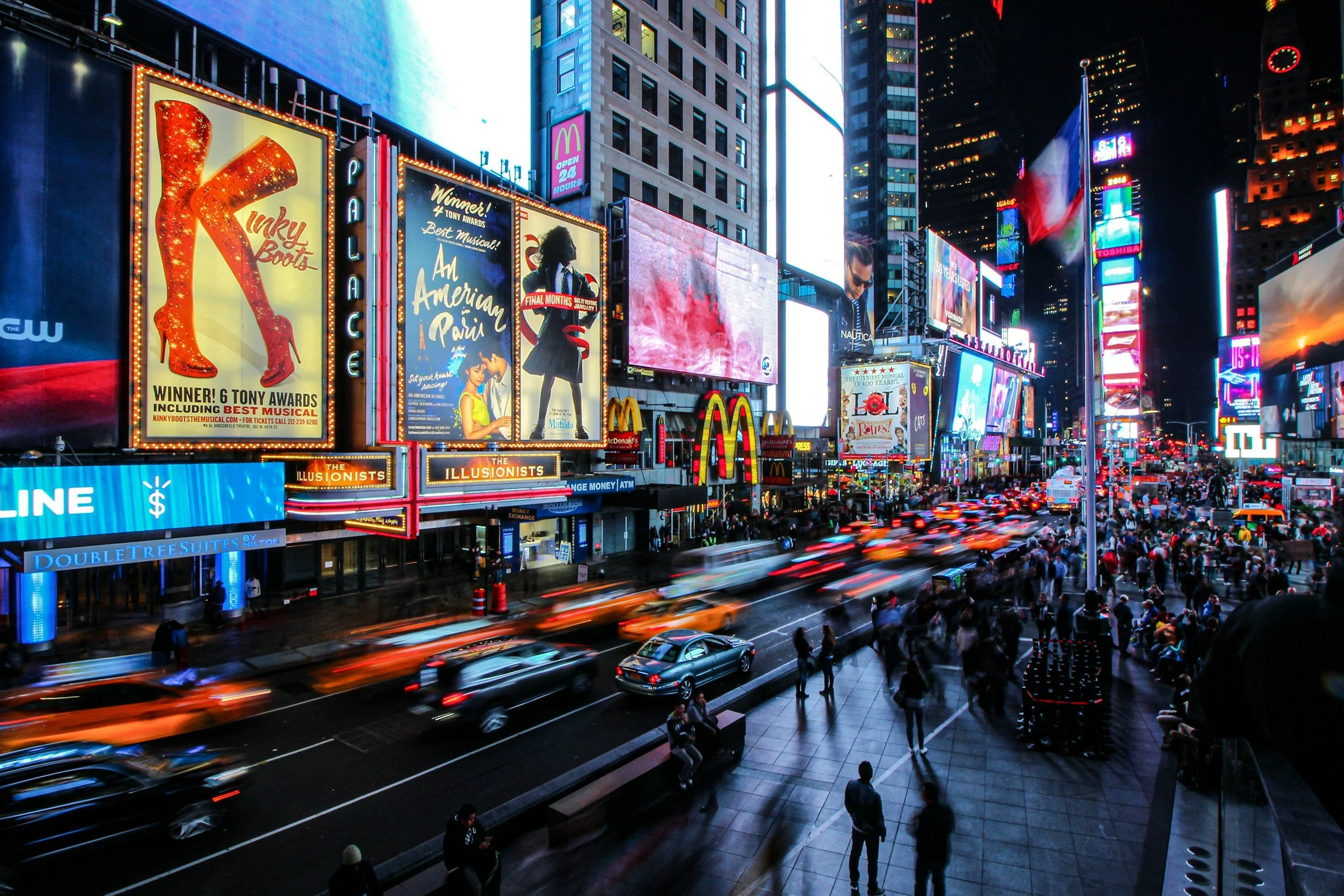
There’s nothing quite like a night out on Broadway—except, maybe, the meal that comes before it.
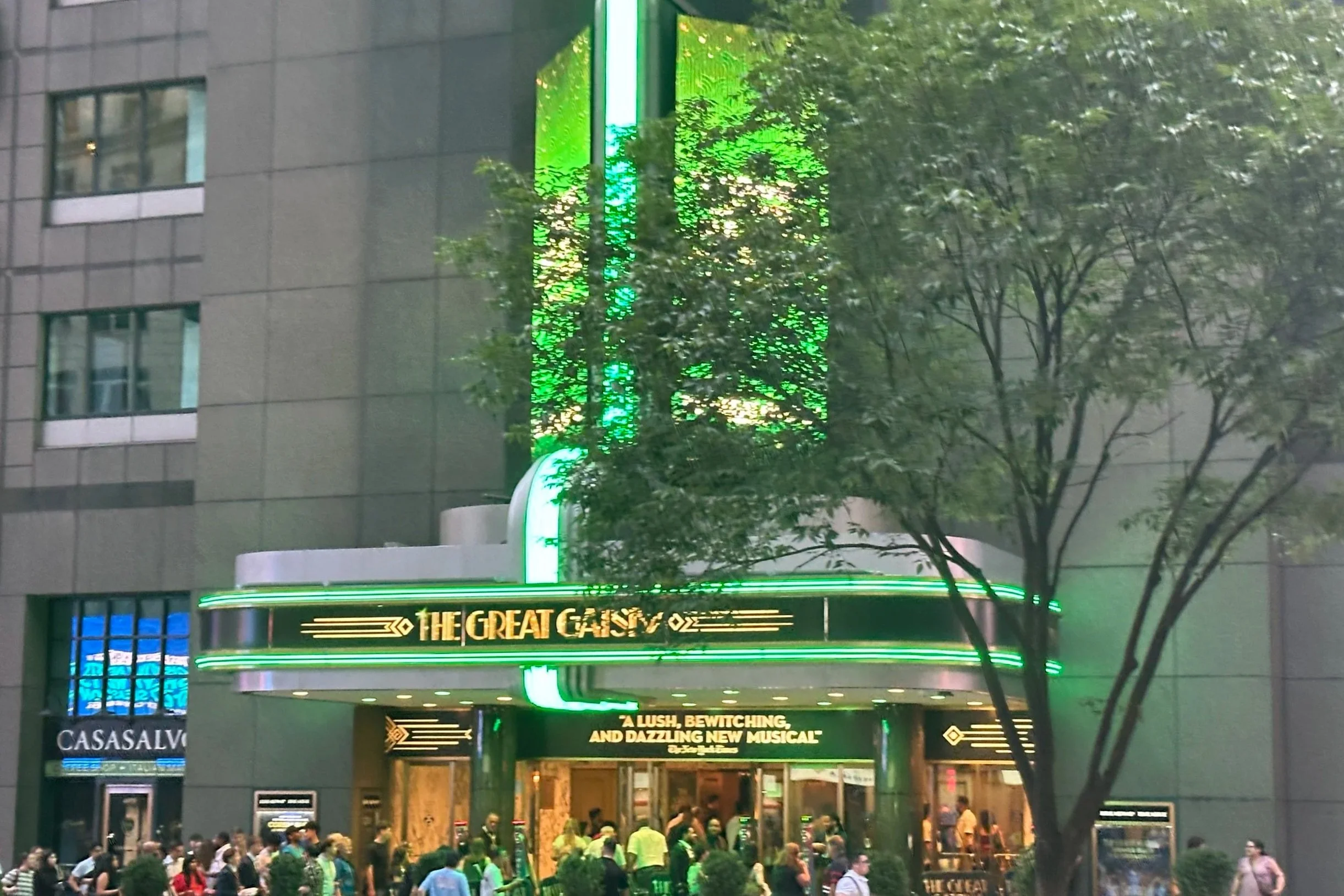
Despite the cast’s powerhouse vocals, the songs are fundamentally forgettable, lacking distinct hooks, lyrical depth, or emotional resonance.
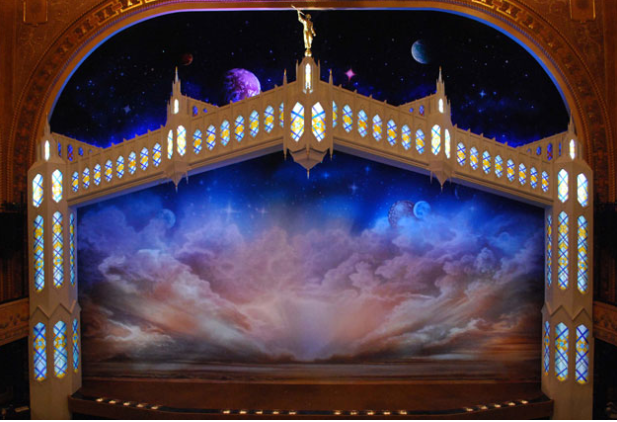
This year marks the fifteenth anniversary of the Broadway musical The Book of Mormon–a satirical comedy that follows two missionaries, Elder Price and Elder Cunningham, in their challenges to convert Ugandans to Mormonism.
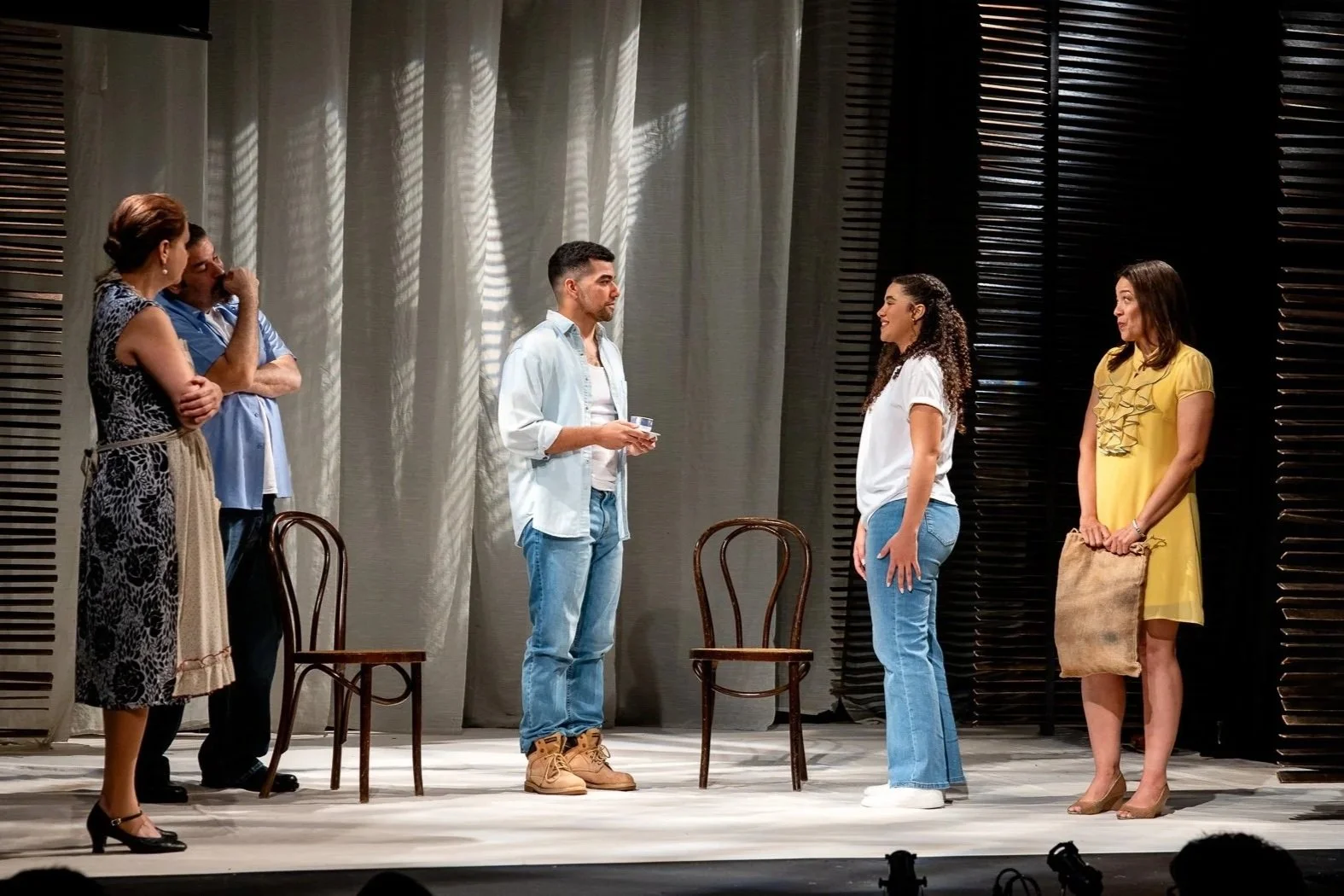
For the playwright, Carmen Rivera, processing this milestone remains a surreal experience, rooted in the moment Repertorio Español first said "yes" to the script 32 years ago.
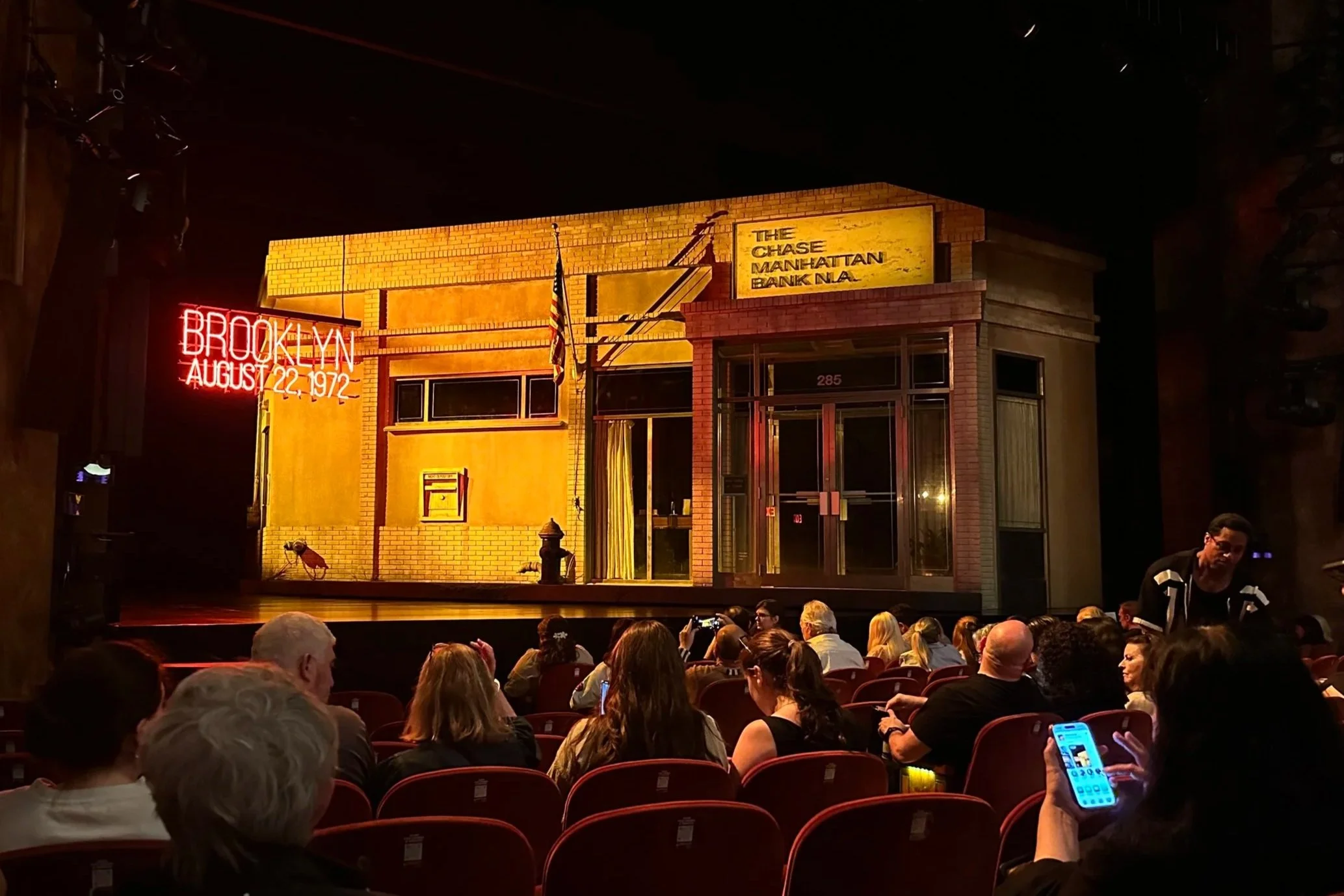
This version of Dog Day Afternoon isn't just a retelling of a famous heist; it’s a living, breathing character study of New York City under pressure.
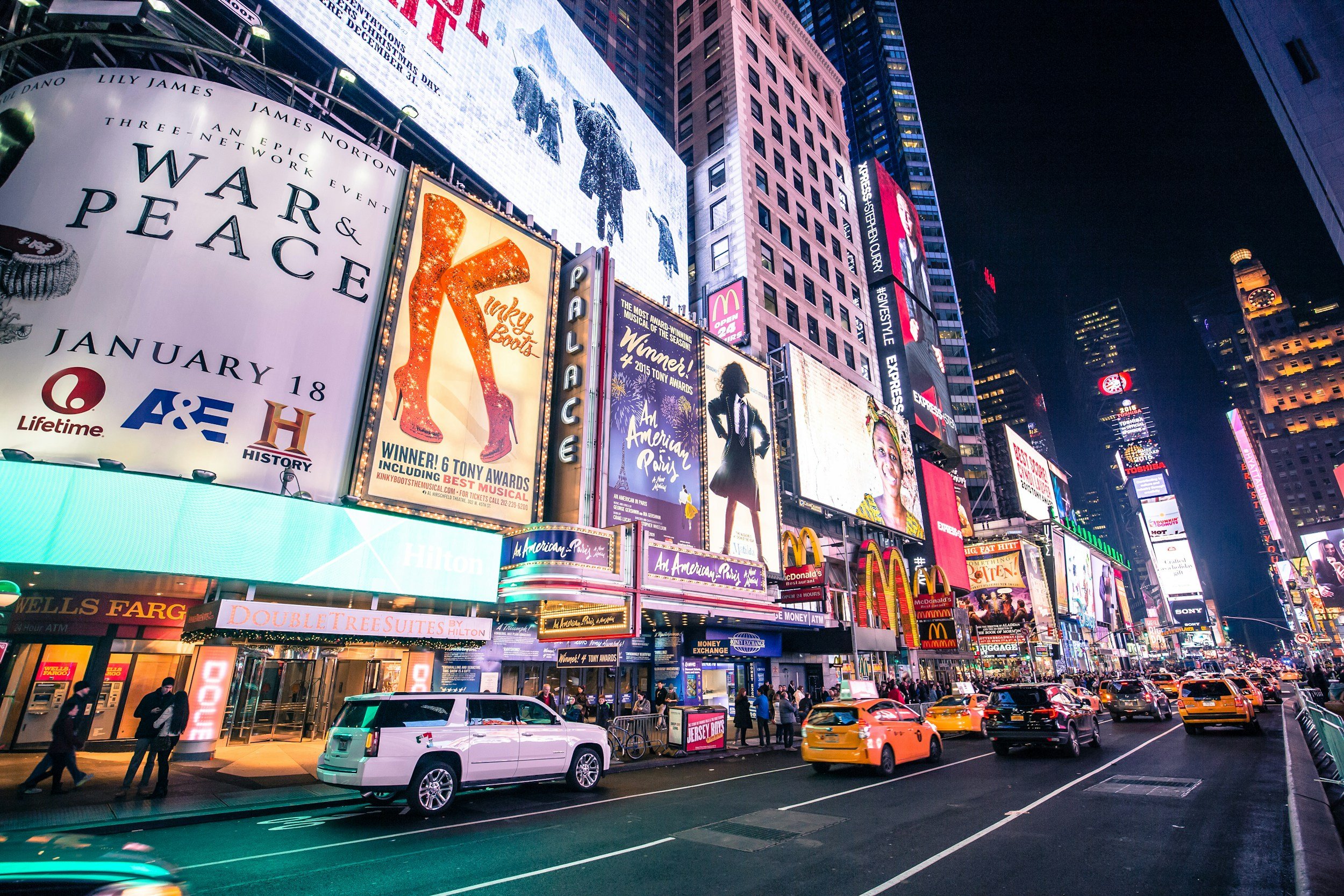
As our digital worlds become increasingly saturated with synthetic content, the value of the "analog experience" is skyrocketing.

Alexander Zverev has finally broken through on the grandest stage in American tennis, capturing his long-awaited first Grand Slam title with a hard-fought victory over home-favorite Ben Shelton under the lights at Arthur Ashe Stadium.

The final Grand Slam of the year combines world-class athleticism with a distinctly New York atmosphere—complete with signature cocktails, buzzing crowds, and the city’s unpredictable late-August weather.

New York City boasts an impressive variety of gyms that reflect the city’s fast-paced and diverse culture.
Highlands Country Club is designed around an unhurried pace of life, making it an ideal destination for both active relaxation and pure leisure.
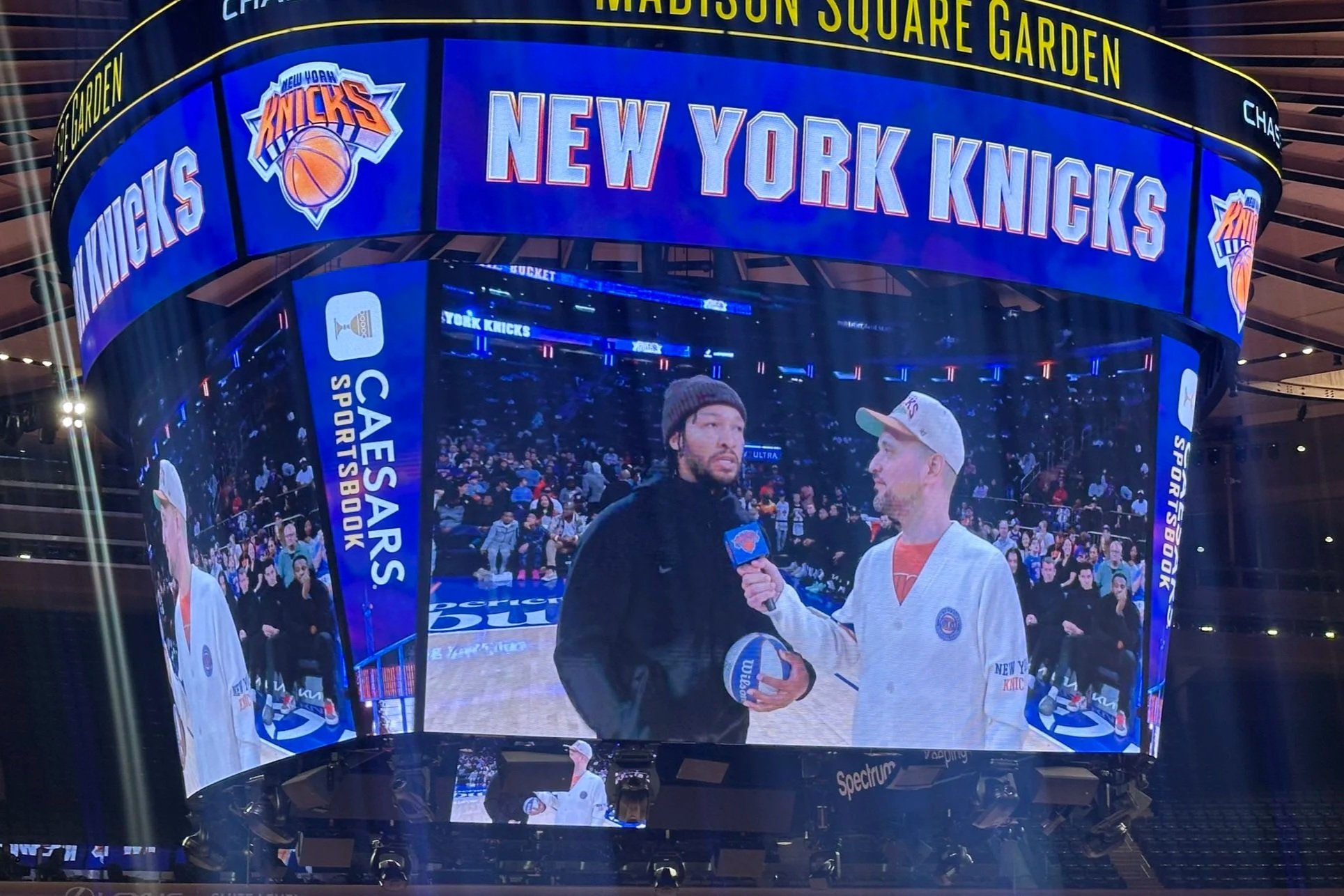
Throughout the series, the Knicks had to battle more than just their opponents on the court, overcoming questionable officiating that seemed to heavily favor the Spurs, physical play that pushed the boundaries of the sport, and high-profile distractions.
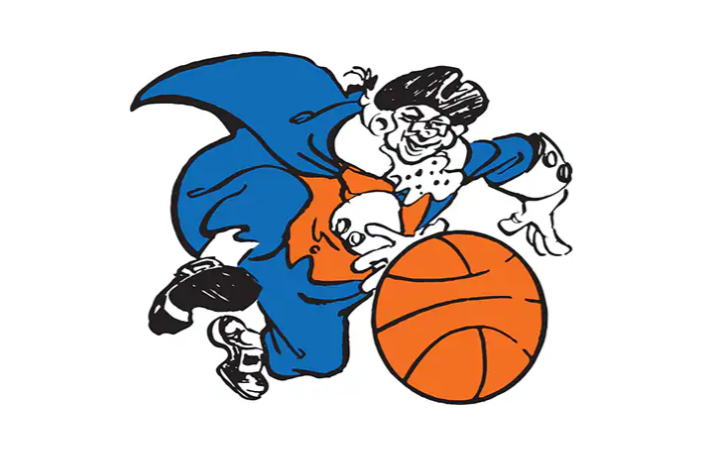
New York’s basketball franchise is named after a specific piece of historical Dutch clothing that evolved into a symbol for the enduring spirit of New York itself.
Faced with the crushing pressure of maintaining the lavish, high-society lifestyle his family is accustomed to, Coop makes a deeply unhinged pivot: he starts robbing his exceedingly affluent neighbors in the fictional enclave of Westmont Village.