What Happened To The Original World Trade Center? Where Did It Go?
Source: Squarespace/ Unsplash
A Shocking Headline
While this headline might shock you, a new generation of Gen Z and Gen Alpha readers will inevitably be searching for these answers online across the internet and will be stunned by the history they find.
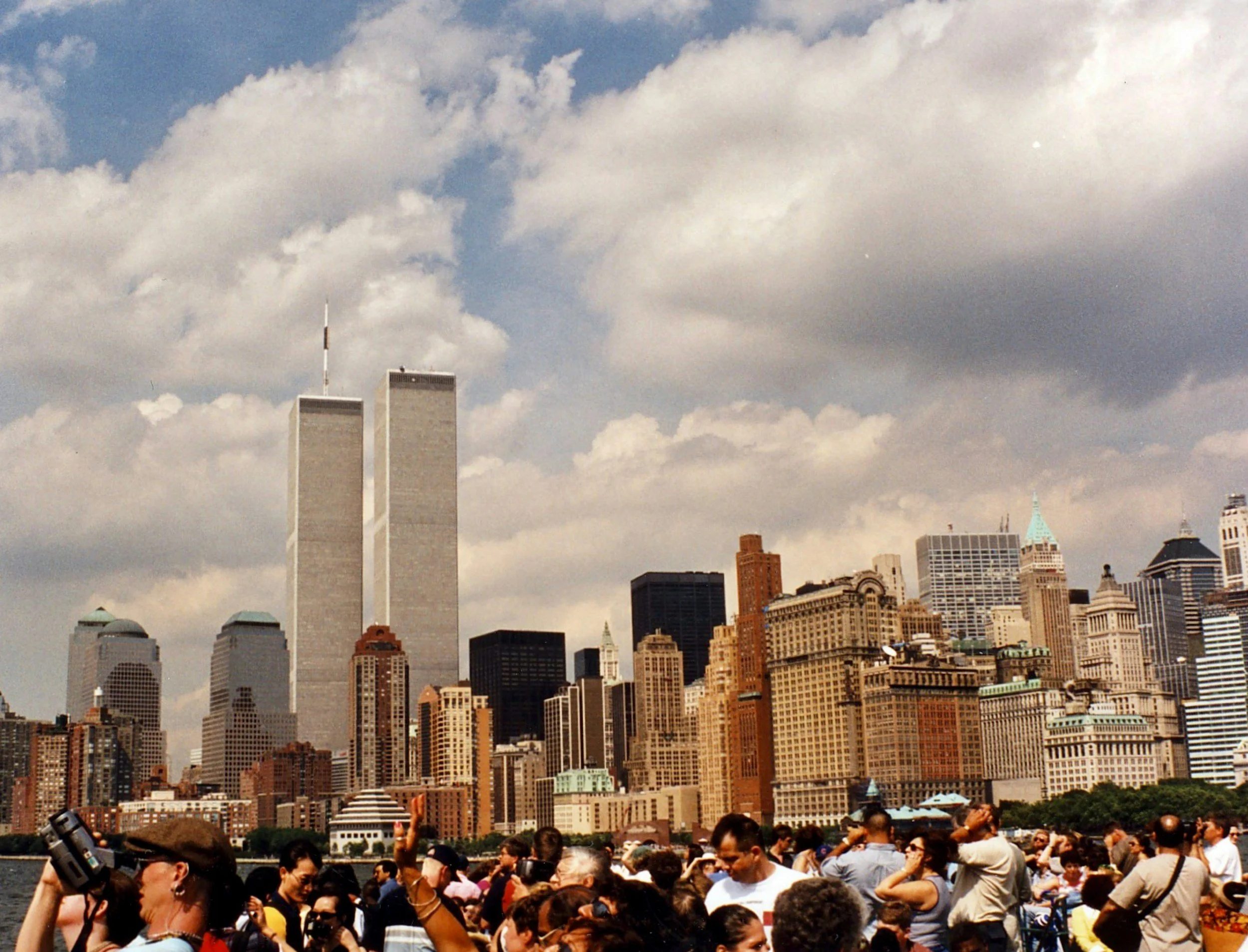
For many New Yorkers and those around the globe, the silhouette of the Twin Towers remains a vivid memory. They show up occasionally in popular culture as reminders of the 1990’s.
However, for the generations born after September 11, 2001, the history of the original World Trade Center (WTC) complex is often encountered through digital archives and memorial sites.
So what happened? On September 11, 2001, terrorists associated with the Islamic extremist group al-Qaeda hijacked four commercial airplanes to carry out coordinated suicide attacks against the United States. Two of the planes were flown into the Twin Towers of the World Trade Center in New York City, and a third plane struck the Pentagon in Arlington, Virginia. The fourth hijacked aircraft, United Airlines Flight 93, crashed in a field near Shanksville, Pennsylvania, after passengers and crew heroically fought back against the hijackers.
The impact and subsequent fires caused both 110-story Twin Towers to collapse, devastating Lower Manhattan and causing significant damage to surrounding buildings. The attacks resulted in the deaths of 2,977 victims, making it the deadliest act of terrorism in world history. In the aftermath, the United States launched the War on Terror and overhauled national security, leading to the creation of the Department of Homeland Security and permanent changes to airport travel and global surveillance.
The Recovery Effort at Ground Zero
Following the collapse of the towers, the site—then known as "The Pile"—became the center of a massive, nine-month recovery and cleanup operation. The scale of the debris was unprecedented, consisting of structural steel, concrete, office equipment, and personal effects. This material didn't simply disappear; it was meticulously handled through a process of recovery and forensic investigation.
The vast majority of the debris was transported to the Fresh Kills Landfill on Staten Island. A dedicated 175-acre section of the landfill was transformed into a high-tech recovery facility. Here, every truckload of material was sifted and screened by forensic experts, NYPD officers, and federal agents.
Their mission was two-fold: to recover human remains for identification and to preserve artifacts that could help investigators understand the structural failure of the buildings. By the time the operation concluded in July 2002, over 4,000 human remains had been identified through this process.
The Steel: Recycling and Rebirth
The original World Trade Center was built with over 200,000 tons of steel. While much of it was sold as scrap and recycled into new products globally, several significant portions were preserved for symbolic "rebirth" projects:
The USS New York: Seven and a half tons of steel from the WTC were melted down and cast into the bow stem of the USS New York, a Navy transport dock ship.
Memorials Worldwide: Thousands of pieces of steel were distributed to all 50 states and several countries to be used in local 9/11 memorials.
The National September 11 Memorial & Museum: Massive structural pieces, such as the "Last Column" and the "Trident" steel beams, remain at the site today, housed within the museum.
The Site Today
Today, the original footprint of the Twin Towers is preserved by the National September 11 Memorial. The "Reflecting Absence" pools sit exactly where the North and South Towers once stood, with water cascading into voids that represent the scale of the loss.
While the physical material of the buildings has been scattered, recycled, or interred, the original World Trade Center lives on through these memorials and the resilience of the New Yorkers who continue to honor its history. Additionally, as the events of 9/11 become further and further away from the present, it is important to ensure the information surrounding those events remain recallable for future generations to research and be mindful of.