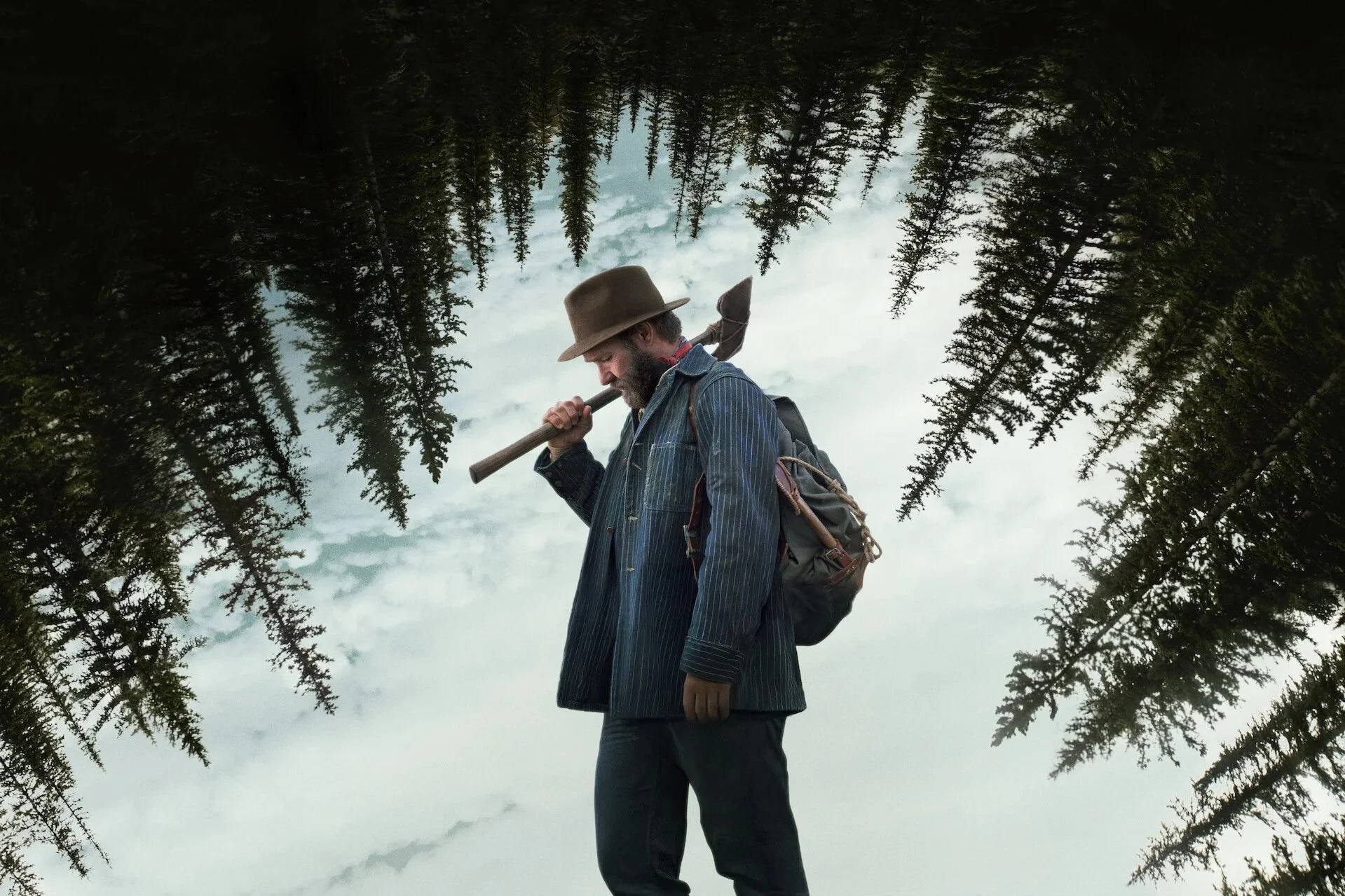
Image from Train Dreams
Train Dreams
Train Dreams is a 2025 American period drama film directed by Clint Bentley, who co-wrote the screenplay with Greg Kwedar. It is an adaptation of Denis Johnson’s acclaimed 2011 novella of the same name. The film follows Robert Grainier (Joel Edgerton), a somewhat vagabond logger and railroad worker, as he navigates an ordinary yet deeply resonant life in the Pacific Northwest during the first half of the 20th century.
I saw this movie and it so deeply resonated with me but I found it difficult to find a reason to write about it since it wasn’t in the purview of The Empire City Wire’s content mandate which focuses specifically on stories in and around and about NYC.
I’m writing about it now because the concept of beauty and being at peace with the world around you is a human concept that extends beyond just nature but into all facets of life whether it be the middle of a forest or the middle of a concrete jungle. New Yorkers and people all over America live in a system that is so jarringly productive and fast paced that any free moment not dedicated towards doing something constructive feels like wasted time. Especially in a system where healthcare is tied to your job, many people don’t take vacations or time off and get completely lost, losing any relative connection to the human experience outside of their job or corporate setting.
It is one of those films that reminds you to live your life and to take pauses and examine your surroundings. It reminds you to look up whether your eyes land on a beautiful tree canopy, the mountainous wilderness, a city skyline, or simply the gorgeous towering architecture in your urban neighborhood. It reminds you to appreciate your neighbors and the strangers that just gently brush through your life. It also reminds you of how fleeting life is, and how rapidly the world around you can change and does change.
The Forgotten Man
Another reason this movie is so resonant is specifically because the main character is such an anomaly. This film so emotionally depicts the essence of the early 20th century forgotten man. Those essential workers behind the creation of the United States and the society we live in today. In Franklin D. Roosevelt's famous April 7, 1932 radio address, the "forgotten man" referred to the ordinary, poor, and unorganized individuals at the bottom of the economic pyramid—such as struggling farmers, industrial workers, and unemployed citizens.
Its the kind of existence before social security numbers, before everyone’s existence was tied to land deeds or granular demographic tracking systems. A world where not every square inch of the country had been claimed or accounted for. Where governments, organizations, and institutions could actually forget about people because they weren’t directly tied to any consistent way of living or income stream. The same way a logger got their paycheck seasonally and there was no guarantee of a job renewal around the corner parallels today’s gig economy in so many ways.
Wrap Up
At the end of the day the film is an anthology of early American life and how far we’ve come as a society but also how little we’ve changed. Families lives get uprooted by forest fires now just as easily as they did back then. A simple tragedy could have rippling effects that cascade across not only communities but that can have a tangible impact that lasts decades.
The entire cast captures the weight of the period, the stress, and the extreme physical and mental toll experienced during that time when you had to struggle to survive in every condition. How simple mistakes or tragedies could have a profound impact. How a person someone could spend every day with can just disappear.
In one word I really can only explain the film as resonant. The slowness of it allows you to appreciate the cinematography’s attention to detail. It is a bittersweet film that is nostalgic, poignant and deeply impactful in so many ways. I highly encourage anyone reading this article to see it.