Times Square And Herald Square Were Named After Which Two Famous Companies?
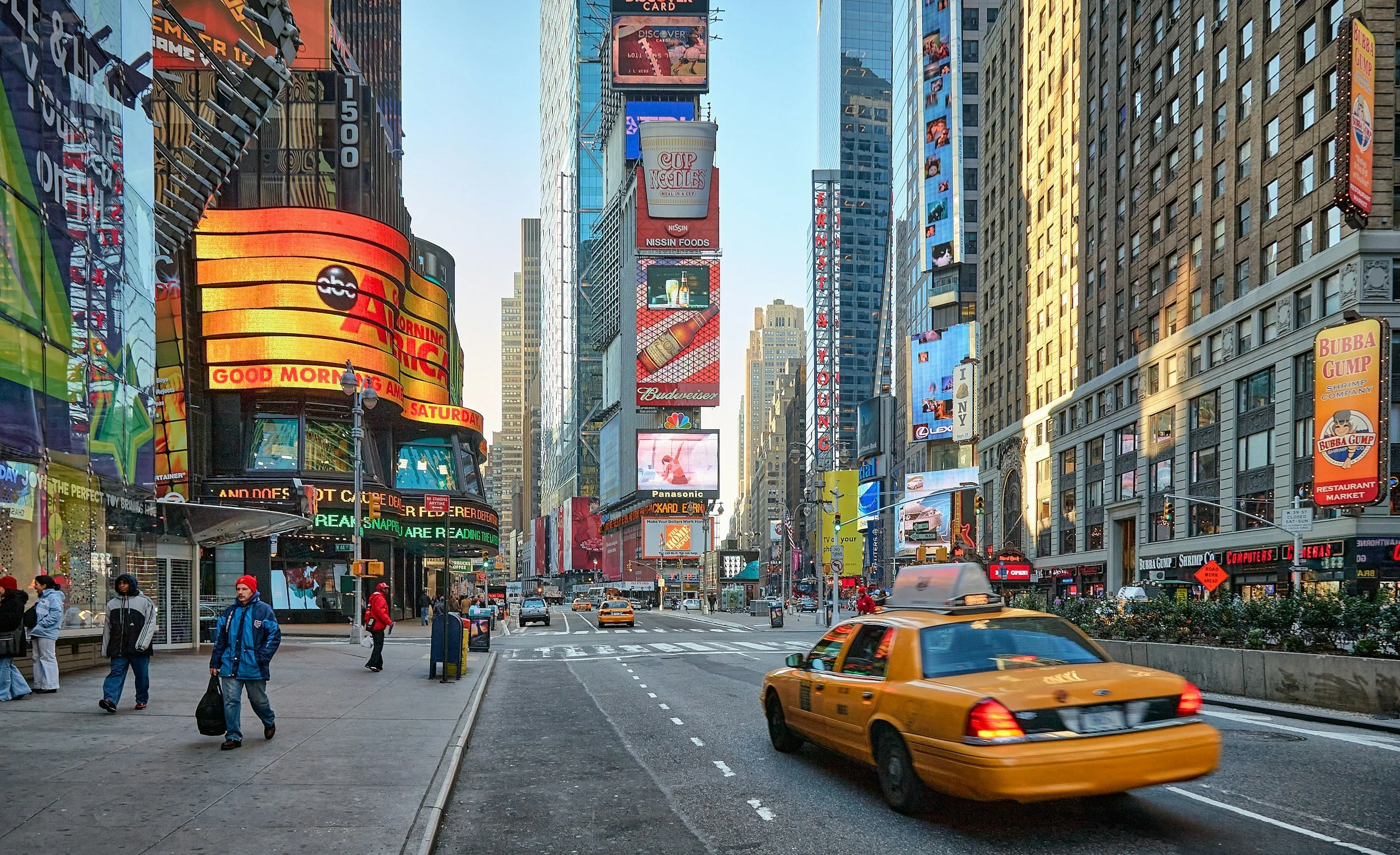
Source: Squarespace/ Unsplash
How Newspapers Shaped New York City's Iconic Squares
Times Square and Herald Square are two of New York City's most iconic and recognizable landmarks, their names synonymous with the city's energy, entertainment, and history. Yet, behind these familiar monikers lie fascinating stories of how they were once named after the city's most influential newspapers, and how those original designations have been largely forgotten by time.
Before the glow of smartphones or the hum of the 24-hour broadcast cycle, the rhythmic press of the printing machine was the heartbeat of Manhattan. For New Yorkers at the turn of the 20th century, the morning and evening editions weren't just a leisure activity; they were the essential connective tissue of urban life. In a city rapidly expanding upward and outward, the newspaper was the singular source of truth, the town square of discourse, and the primary way a diverse population of millions stayed synchronized.
This era represented the "Golden Age" of the press, when publishers held a level of civic influence that rivaled that of mayors and governors. The newspaper offices were the focal points of the community, often strategically located at major transit hubs where commuters could grab the latest headlines. Because these publications were the primary engines of information, the very geography of the city began to shift in their image. The naming of Times Square and Herald Square wasn't merely a branding exercise; it was a physical acknowledgment that these media giants were the anchors of New York’s social and economic reality.
Times Square: A Tribute to The New York Times
Before it became the glittering heart of Manhattan's theater district, Times Square was known as Longacre Square. Named after Longacre in London, it was primarily a horse-carriage and harness district, far removed from the dazzling spectacle it is today.
The transformation began in 1904 when Adolph S. Ochs, the publisher of The New York Times, decided to relocate the newspaper's headquarters from Park Row to a brand-new skyscraper at 42nd Street and Broadway. Ochs, an ambitious and visionary newsman, recognized the potential of this developing area and sought to make his newspaper a central figure in its growth.
To mark this momentous move, the city officially renamed Longacre Square to Times Square on April 8, 1904. It was a clear tribute to The New York Times, a symbolic gesture that solidifies the newspaper's deep connection to the city's fabric.
The newspaper's presence in Times Square was immediately palpable. In 1907, the first New Year's Eve ball drop was held atop The New York Times building, a tradition that endures to this day, making Times Square a global focus of celebration. The newspaper's flashing news ticker, a technological marvel of its time, further cemented its association with the square, providing real-time updates to a captivated public.
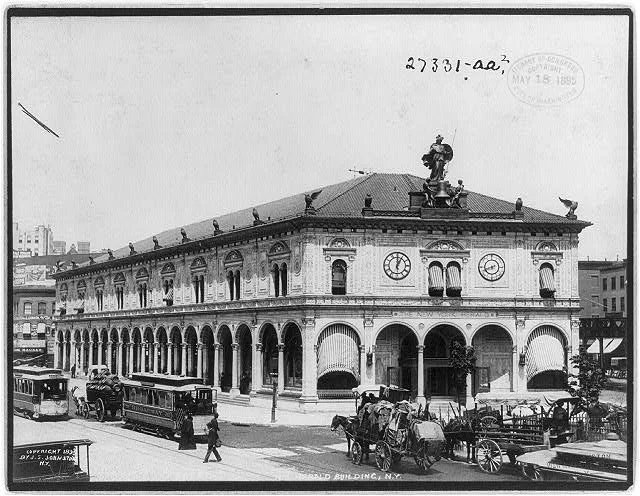
New York City: N.Y. Herald Building., ca. 1895. Library Of Congress
Herald Square: The Legacy of The New York Herald
Just a short walk from Times Square lies the intersection of 34th Street and Sixth Avenue, home to a unique "double square" layout with a shared history of media rivalry. While the area is often referred to collectively as "Herald Square," it is actually comprised of two distinct triangles: Herald Square to the north and Greeley Square to the south.
The northern triangle was officially named Herald Square in the 1890’s to mark the arrival of The New York Herald. Its publisher, the flamboyant James Gordon Bennett Jr., commissioned a stunning, palatial headquarters designed by Stanford White to stand out in the city's rapidly evolving landscape. By moving his operations there, Bennett sought to elevate the profile of his newspaper and secure a permanent piece of Manhattan real estate.
Directly adjacent sits Greeley Square, which maintained its name in honor of Horace Greeley, the founder of the New York Tribune and a fierce professional rival of the Herald. This side-by-side placement created a geographic monument to the "newspaper wars" of the era.
While The New York Herald eventually merged and ceased to exist as an independent publication, its name lives on through the northern square—a testament for New Yorkers to a time when the city’s geography was dictated by the power of the press.
A Forgotten History
Today, the original names of Times Square and Herald Square – Longacre Square and Greeley Square, respectively – are largely forgotten by most New Yorkers and visitors alike. This is due, in part, to the sheer force of the current names, which have become deeply ingrained in the city's identity.
The passage of time, coupled with the constant evolution of the city's landscape, has further contributed to the erasure of these original names. The historical markers and plaques that might have preserved this history are often overlooked in the hustle and bustle of these busy commercial and entertainment hubs.
The renaming of Times Square and Herald Square serves as a powerful reminder of the profound influence that newspapers once exerted over the shape and identity of New York City. They were not just sources of information, but integral components of the city's culture, politics, and social fabric.
While the original names may have been lost to time, the legacy of The New York Times and The New York Herald continues to resonate in the squares that bear their names. They stand as enduring symbols of a time when newspapers were the heartbeat of the city, and their influence was strong enough to reshape the very map of Manhattan. As we navigate the dazzling lights and bustling crowds of these iconic locations, let us not forget the fascinating history that lies beneath the surface, a story of newspapers, power, and the enduring connection between a city and its stories.