Airport Safety Reaches Breaking Point At LaGuardia: The Cost Of Continued Trump Admin Failures
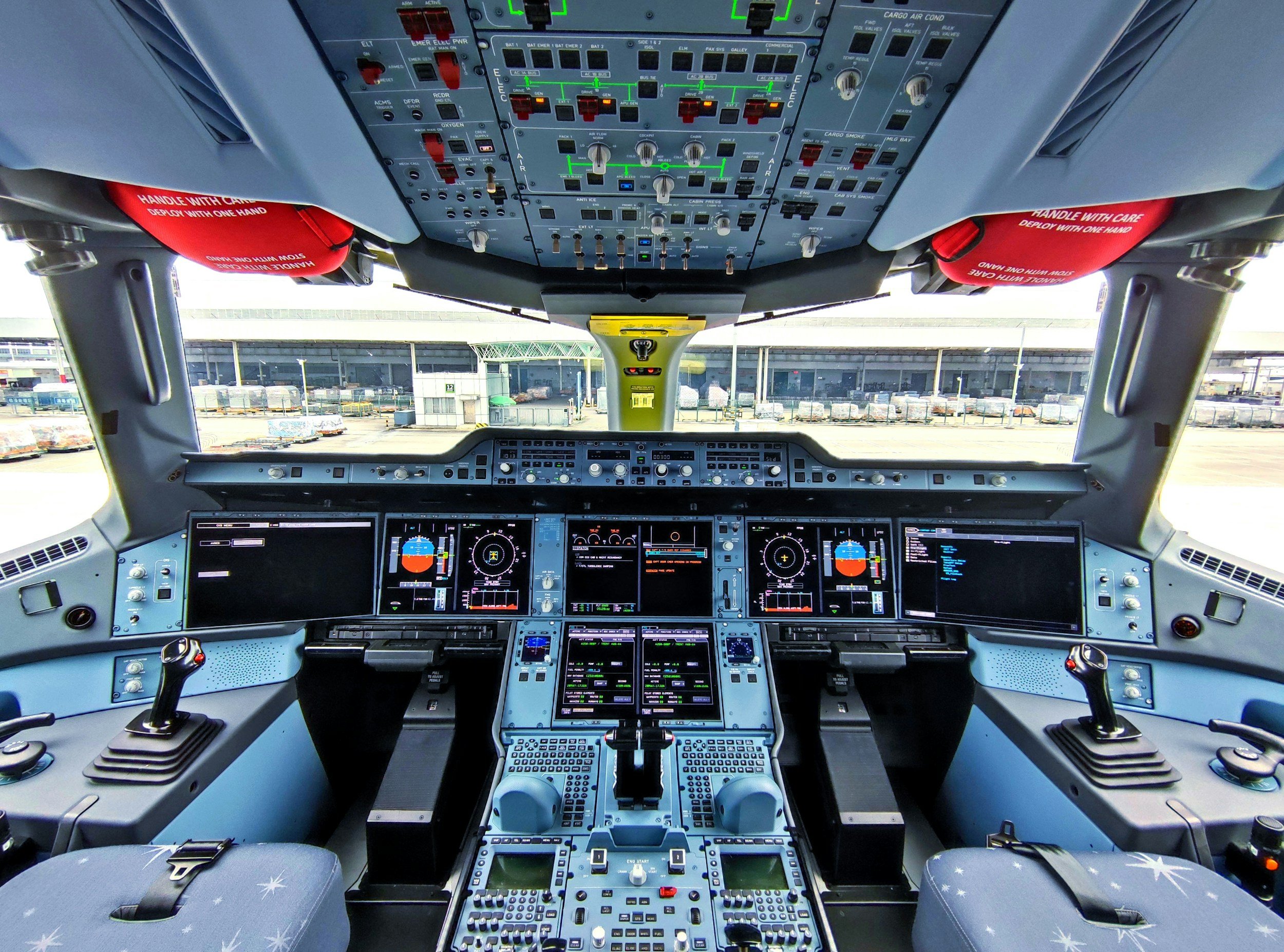
Source: Squarespace/ Unsplash
A Tragedy At Laguardia Airport
The tragedy at LaGuardia Airport earlier today—resulting in the deaths of two pilots and critical injuries to five firefighters—is the latest and most devastating evidence of a national aviation system in freefall.
As investigators from the National Transportation Safety Board (NTSB) arrive at the scene of the collision between an Air Canada Express flight and a ground vehicle, the incident serves as a grim indictment of the systemic instability that has plagued the Department of Transportation and the FAA.
While the specific cause of the LaGuardia collision is under investigation, the context surrounding it points to a broader pattern of negligence. For New Yorkers, the closure of one of the city's primary hubs is not just a travel inconvenience; it is a symptom of a federal infrastructure that is failing to perform its most basic function: ensuring safety.
Excessive Trump Admin Incompetence
The current crisis can be traced back to a series of administrative choices that prioritized ideological "efficiency" over operational safety. A critical shortage of air traffic controllers and FAA inspectors, fueled by repeated budget cuts and hiring freezes, has left the nation's most complex airspaces operating on a razor’s edge. These staff cuts have consistently led to domestic flight disruptions across the board, forcing fewer people to manage more traffic with outdated equipment.
Responsible for the personnel crisis is the Department of Government Efficiency (DOGE) and its aggressive mandate to slash federal spending. These cuts, along with the recent partial government shutdown, have paralyzed the Department of Homeland Security (DHS), the Transportation Security Administration (TSA), and the Federal Aviation Administration (FAAA), leading to significant delays and cancellations in flights, stalled infrastructure upgrades, and reduced safety training. The 2026 DHS shutdown further gutted the resources available for airport security and emergency response coordination, creating a vacuum where communication errors between ground crews and flight decks become increasingly likely.
What’s Next?
At LaGuardia, preliminary audio from air traffic control reveals a scene of desperation, with controllers shouting "Stop, stop, stop!" moments before the impact. While the investigation will determine if this was a human error or a technical failure, the environment in which these professionals work is undeniably compromised. When a system is stripped of its redundancies and its veteran staff is replaced by a skeleton crew, the margin for error disappears.
The aviation industry’s recovery remains stalled, not by a lack of demand, but by a lack of competent oversight. The "efficiency" promised by recent administrative policies has manifested as chaos on the tarmac and tragedy in the cockpit. Without an immediate pivot toward reinvesting in the FAA’s workforce and stabilizing the DHS, the safety of the flying public will continue to be a secondary concern to a political agenda that has proven itself incapable of managing the nation’s skies.