

The Gowanus Canal: Toxic Waste to Luxe Housing
Source: Squarespace/ Unsplash
The Gowanus Canal, an unpleasant fixture for decades, is being morphed into a luxury ‘waterside’ housing development. This shift is nothing short of shocking for many of Brooklyn’s longtime residents. The canal has been a well-known ‘cesspool’ for decades, for lack of a better term. It was built in 1869, transforming a tidal creek into an industrial transportation hub for the quickly growing Brooklyn area.
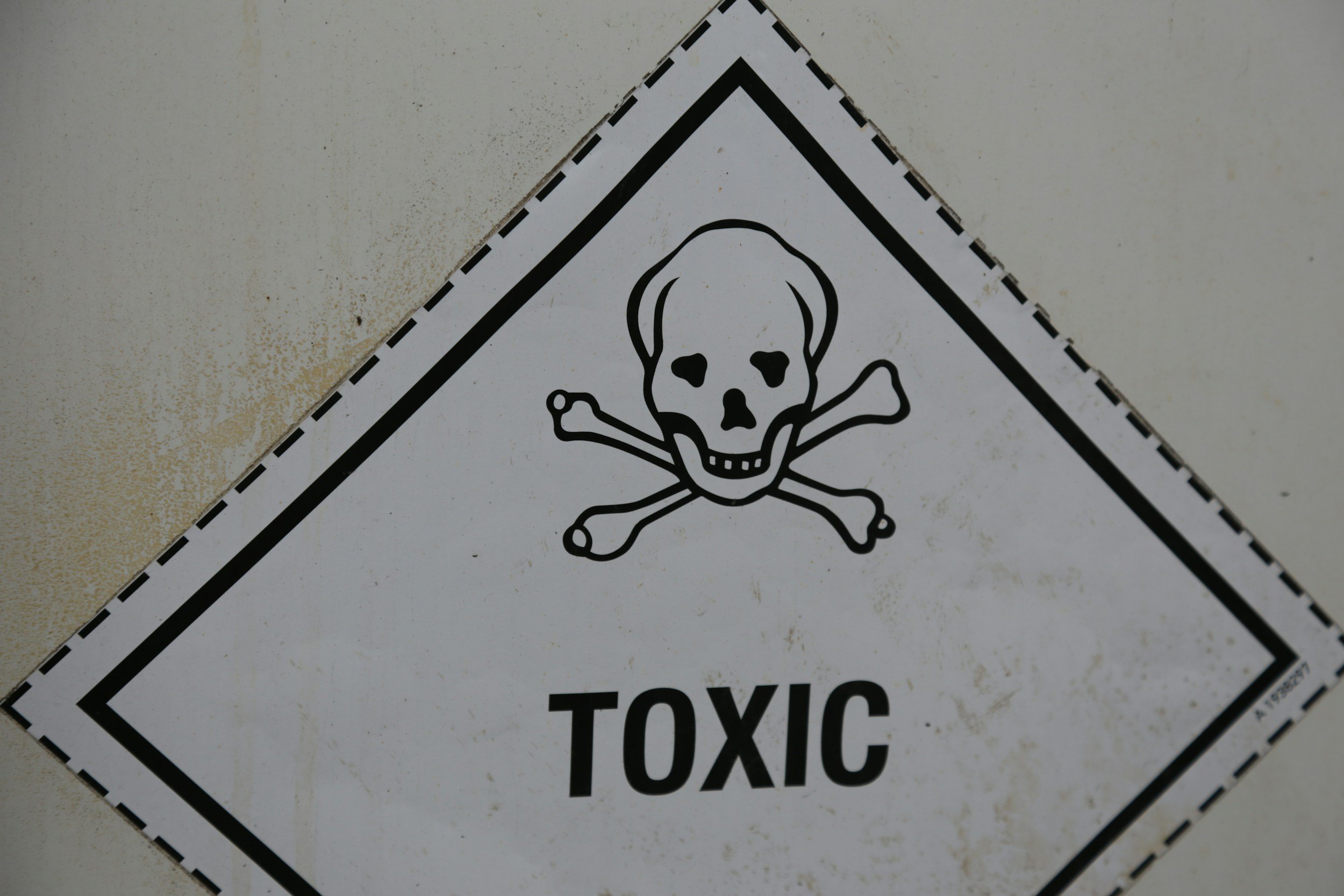
This 1.8-mile canal connected the borough's factories to New York Harbor, enabling Brooklyn's economic boom. In addition to the canal’s industrial and economic assets, it also served as a dumping ground for sewage and industrial waste from the surrounding factories. This constant dumping eventually led to it becoming one of the most polluted canals in the US. The decades' worth of pollution and toxic buildup have often made the canal smell sulfuric or tar-like and have long posed a health risk to the surrounding community–an issue that eventually required federal intervention.
These environmental concerns eventually prompted the Environmental Protection Agency (EPA) to take notice, and as of March 2010, the Gowanus Canal was added to the Superfund National Priorities List, for which the EPA Superfund Cleanup is funded. The Gowanus Canal Cleanup began full-scale dredging in November 2020. The dredging process is a multi-step cleanup method designed to remove several types of debris to treat the water. The process began with larger debris cleanup, removing scrap metal, tires, and any other trash that would block dredging equipment. Then began sediment dredging, where specialized cleanup clamshells and buckets scooped the toxic layer of industrial pollution coating the top layer of the Canal floor. After that came dewatering and water treatment. After the canal was cleaned, a multi-layer capping process began, where a sand layer and active carbon layer were placed on the canal floor to absorb remaining toxins and armor the canal floor to prevent further base stone erosion.

Source: Squarespace/ Unsplash
Despite all of this work, the project is far from done and will continue well into the 2030s. Segment 1, spanning from Butler St to 3rd St, is the only section fully completed, and coincidentally, is where the majority of new luxury apartments have been built. Segment 2, from 3rd St to Hamilton Ave, is in active cleanup. Segment 3, the final section continuing from Hamilton Ave to Gowanus Bay, will begin dredging once Segment 2 is complete. Additionally, in order to keep the canal clean in the long term, the city is constructing two massive Combined Sewer Overload (CSO) tanks to manage sewer runoff during storms and flooding, preventing it from polluting the canal.
Due to the ongoing efforts of the EPA, the canal has become much more pleasant than it once was. The canal is almost scenic now in a way that would have been unimaginable only years ago. This new Brooklyn waterfront has attracted many housing developers in recent years. Dozens of luxury high rises have popped up along the canal's edge, touting names such as Union Channel, Nevins Landing,and Douglas Port, putting a luxury spin on the canal's once toxic past. These three luxury developments have been some of the most notable developments on the canals' edge in recent years. These buildings are united under the Gowanus Wharf development. The term Wharf invokes a vision of nautical luxury and is, to an extent, a denial of the neighborhood's unsavory past. This shift is an obvious effort to change the character and inherent nature of the Gowanus neighborhood.
However, the physical transformation of these massive residential towers was not brought on simply by eager developers, but by a massive city rezoning. Gowanus underwent an 82-block land-use overhaul in 2021, which allowed for high-density residential developments, such as The Gowanus Wharf, to be built. Before this policy change, Gowanus was zoned almost entirely for low-density manufacturing and industry buildings. This overture changed the type of buildings allowed to be constructed in the area, allowing developers to begin apartment construction on the canal’s edge.
For many longtime Brooklyn residents, this new, prettier Gowanus is almost unrecognizable. Change is inevitable in NYC, but it doesn't come without a tinge of sadness for locals in Gowanus and the surrounding neighborhood, as the buildings of earlier days are demolished to make room for luxe Wharf waterfront apartments.
Written by Olivia Lanzi