The Devil Wears Prada 2 Is A Sobering, Humbling Look At The Survival And Evolution Of Legacy Media Brands
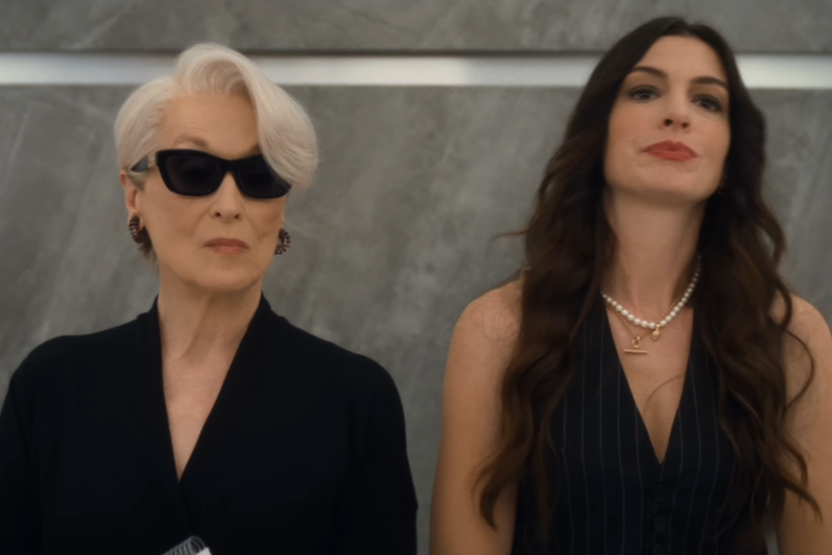
Source: The Devil Wears Prada 2
Tech vs. Taste
When the original The Devil Wears Prada hit theaters two decades ago, it captured a very specific moment of anxiety for our readers in the media world: the slow, looming threat of the internet encroaching on the gilded empire of glossy print magazines. Today, the newly released sequel, The Devil Wears Prada 2, arrives not as a warning, but as a sobering post-mortem on the state of the media industry.
The film effortlessly catches up with the iconic staff of Runway, but the landscape they occupy has completely shifted. If the first movie was about the evolution of traditional publishing adapting to the web, the sequel is an entirely different beast, tracking the hyper-evolution of fashion and lifestyle brands that have turned primarily digital—only to be disrupted yet again by the sudden introduction of artificial intelligence.
Andy Sachs and the Text-Message Layoff
The opening of the sequel delivers perhaps its most grounded, painful critique of modern journalism. Andy Sachs, now an established, serious reporter in New York City, sees her entire newsroom abruptly laid off via a mass text message during an industry awards gala. It is a bleak, unembellished reflection of the real-world media gutting that local journalists have endured over the last few years.
When Andy is forced back into Miranda’s orbit to help protect Runway from tech-driven corporate takeover, the dynamic between them shifts. They are no longer a tyrannical boss and an idealistic assistant; they are two distinct generations of media survivors trying to defend the value of human storytelling against automated aggregation.
Ultimately, The Devil Wears Prada 2 trades the breezy, aspirational fantasy of the original for a sharp, existential look at the creative industries. It is an essential, if sobering, watch for anyone who still believes that taste, style, and journalism require a human heart to exist.
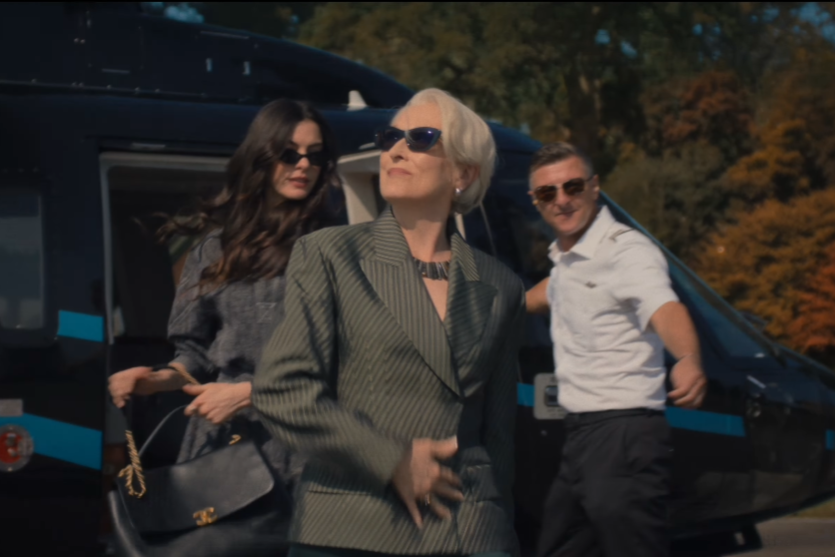
Source: The Devil Wears Prada 2
The Evolution Of The Media Industry
The glamour of physical mock-up boards and a frantic closet full of couture samples has been replaced by the cold reality of data optimization. In The Devil Wears Prada 2, Runway is no longer just a magazine; it is a legacy brand fighting for clicks against a tidal wave of algorithmically generated fast-fashion content and digital luxury groups.
The primary conflict no longer stems from finding the perfect cerulean belt. Instead, it centers on the systemic threat of automated efficiency. The introduction of AI platforms capable of predicting, designing, and writing about trends faster than any human editor hits the legacy staff like a bucket of ice water.
Watching the formidable Miranda Priestly navigate a corporate environment that values predictive text and engagement metrics over curation and human taste is humbling. But Mrs. Priestly isn’t out of touch. In the last twenty years between the films, she has developed a uniquely intuitive understanding of how to run an online brand and is fully aware of when it makes sense to take a good story and “pin it to socials.”
Wrap Up
Ultimately, the film forces us to confront a terrifying question: what happens to style when the human element is completely stripped away? While A.I. can definitely assist in the rapid production of content, it takes a human heart for a fashion trend, a sexy look, or a jaw-dropping style to truly resonate emotionally. In a world of automated perfection, The Devil Wears Prada 2 reminds us that true glamour lies in our tangible human quirks and cutlural tastes.