Should I Move To NYC? Read This Article To Find Out!
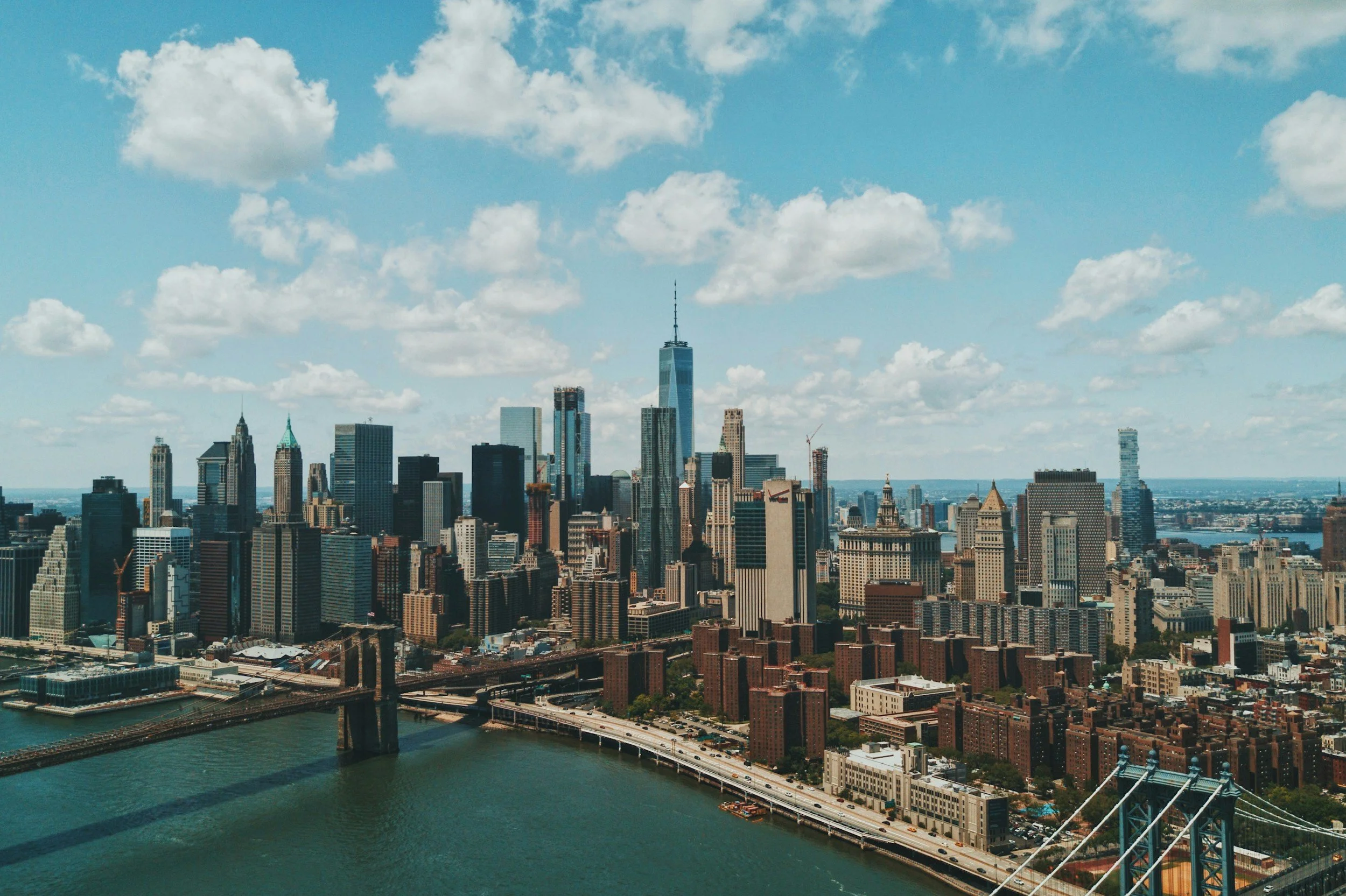
Source: Squarespace/ Unsplash
Deciding To Move To New York City
Deciding to move to New York City is less of a logistical choice and more of a spiritual dare. In 2026, the city remains the world’s most famous concrete jungle, but the rules of the game have shifted significantly.
Whether you are a recent graduate or a seasoned professional, the New York you are moving to today is defined by record-high private sector employment, a rapidly evolving rental market, and a brand-new way to navigate the transit system.
If you are standing on the precipice of a move, you must understand that the city is currently gaining population despite the high costs, which keeps the floor on prices at historic levels.
Financial Barriers And The Job Market
The financial barrier to entry remains the most significant hurdle for any newcomer. New York City’s cost of living is currently higher than the national average, driven largely by a bifurcated housing market. A single person should expect to budget at least $3,000 for a modest studio, with groceries and utilities easily adding another $800 to the monthly tally.
While national economic reports often paint a broad picture of uncertainty, the New York City job market maintains a unique resilience that smaller towns and suburbs simply cannot replicate due to its sheer density and scale. In a massive urban economy, the density of businesses creates an advantage: with thousands of firms across every conceivable niche, workers are more likely to find a role that fits their specific skills even when one particular sector is cooling.
Unlike a suburb that may rely on a single large employer or a handful of retail chains, New York’s ecosystem is built on hundreds of thousands of interconnected and diverse establishments—from global headquarters to over 200,000 small businesses—providing a constant churn of opportunity and professional mobility. This concentration of commerce ensures that even during a downturn, the city remains a powerhouse of "knowledge spillovers" and networking, where the proximity of so many professionals continues to spark new ventures and hiring needs that smaller, more isolated markets lack.
Digital Life
Life in the city has also undergone a digital transformation that changes the daily rhythm of the boroughs. If you move here tomorrow, you won't even be able to buy a MetroCard, as the iconic gold plastic has been fully retired in favor of the OMNY system.
This shift coincides with a new era of urban living where neighborhood communal spaces have become the new luxury. With hybrid work now a permanent fixture, New Yorkers are spending more time in local cafes and newly expanded waterfront parks in Long Island City and the Bronx.
In addition to hybrid work, NYC is supported by a variety of online marketplaces and job forums where simple tasks can be purchased from contractors at a moments notice. Online apps like TaskRabbit or food delivery apps have their own entire ecosystem that exists to support white collar or corporate works whether they work in the office or from home.
What Do You Value Most?
Ultimately, the decision to move depends on what you value most. You should make the leap if you prioritize access over personal space and thrive in a high-energy environment where the cultural scene is experiencing a massive renaissance.
However, the middle-class squeeze is more real than ever, and the city continues to reward those who are either at the top of their field or willing to live with multiple roommates to make the dream work. New York remains a high-floor, high-ceiling gamble that requires as much grit as it does a paycheck.