The End Of The MetroCard
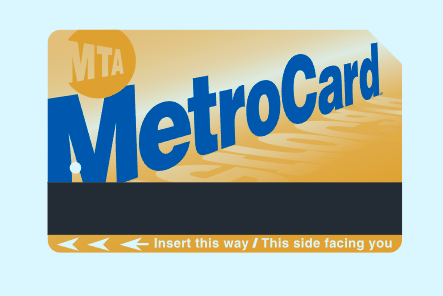
A screenshot from the Metropolitan Transportation Authority of New York Metrocard issue form
The Official Retirement
The "Please Swipe Again" message, the frantic digging through pockets as a train pulls into the station, and the unmistakable gold-and-blue flash of plastic are officially becoming relics of a bygone New York.
As of January 1st, 2026, the MTA has officially ceased the sale of new MetroCards, marking the end of a 32-year era. While existing cards will be accepted at turnstiles through the early part of 2026 to allow riders to use up their remaining balances, the transition to OMNY (One Metro New York) is now the law of the underground.
The MetroCard is the latest fatality in a century-long evolution of how we pay to move through the five boroughs—a history defined by technological leaps and the stubborn nostalgia of New Yorkers.
From Nickels to the Birth of the Token
When the Interborough Rapid Transit (IRT) first opened in 1904, the fare was a simple nickel. For nearly half a century, riders simply dropped a five-cent coin into a mechanical turnstile.
The first major disruption came in 1948 when the fare doubled to ten cents. The system was easily adapted to accept dimes, but the real crisis arrived in 1953. When the fare rose to 15 cents, turnstiles couldn't be easily configured to accept two different coins (a dime and a nickel).
The solution? The Subway Token. Introduced on July 25, 1953, the token became an immediate cultural icon. Over the next 50 years, it evolved through several iterations:
The "Y" Cutout (1953): The classic small brass disc.
The Diamond Jubilee (1979): Commemorating 75 years of the subway.
The Bullseye (1986): A brass ring with a steel center, designed to stop counterfeiters as the fare hit $1.00.
The Five Boroughs (1995): The final design, featuring a pentagon cutout.
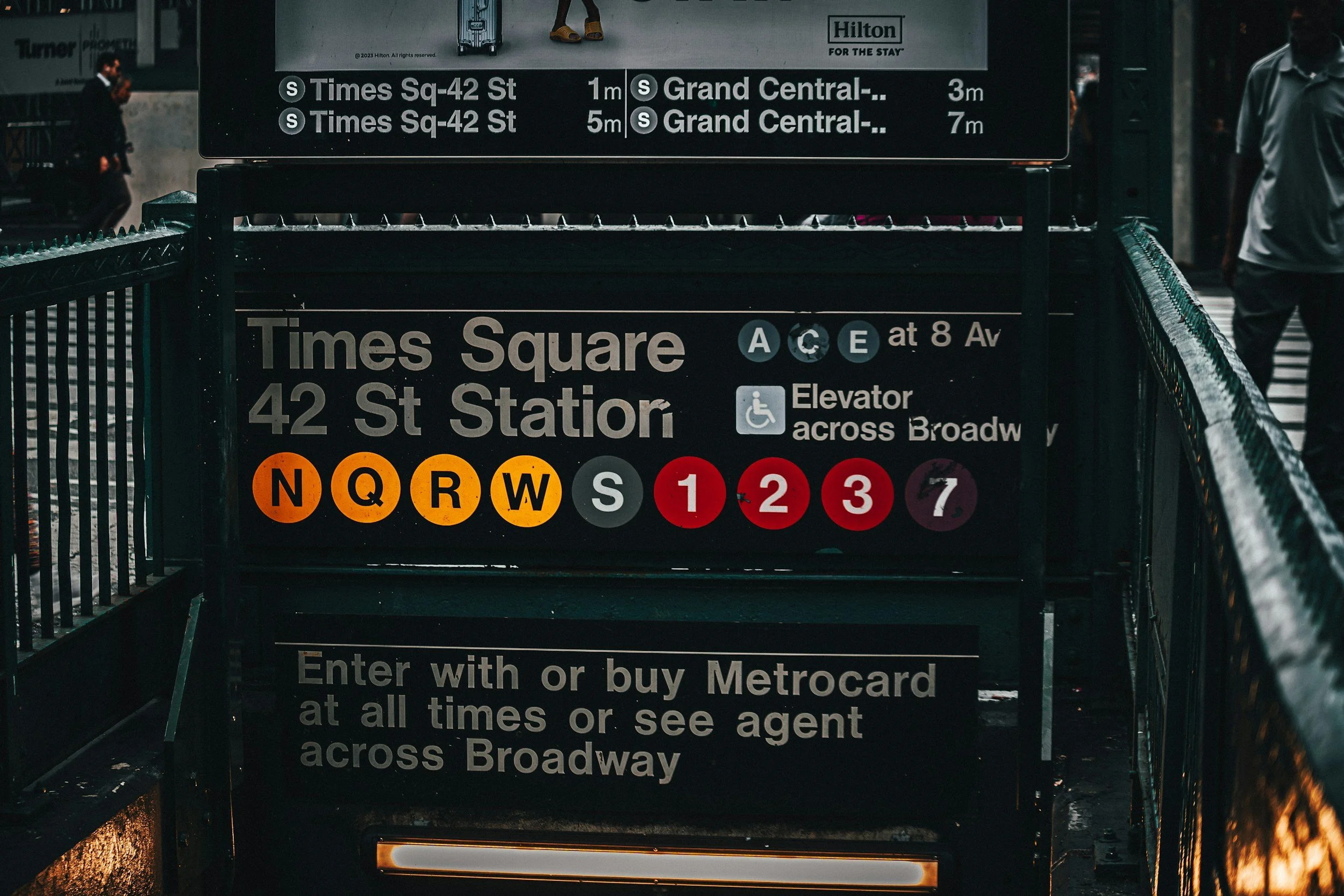
Source: Squarespace/ Unsplash
The Great Swipe Revolution
By the early 1990s, the token was becoming a liability. It was expensive to manufacture, heavy to transport, and a magnet for "token suckers" who would jam turnstiles to steal them.
The MetroCard launched in 1994, bringing New York into the digital age. It wasn't just a payment method; it changed the geography of the city. In 1997, the MetroCard enabled free transfers between buses and subways—a move that effectively gave every New Yorker a "pay-cut" and unified the transit system for the first time.
Despite its benefits, the MetroCard was famously finicky. The "Swipe Again" error became a collective New York trauma, and the delicate magnetic strip was easily ruined by a stray magnet or a bent wallet. Yet, much like the token before it, the MetroCard became a canvas for the city, featuring everything from Supreme logos to David Bowie tributes.
The OMNY Takeover
The move to OMNY, which began its rollout in 2019, represents the shift from “proprietary currency” to universal access. By allowing riders to use their own smartphones or contactless bank cards, the MTA expects to save $20 million annually in card production and maintenance costs.
"After 32 years, it's time to say goodbye to the MetroCard and go all in on the fare payment system of the future," said MTA Chair Janno Lieber during the sunset announcement.
For the commuters of The Empire City, the change is bittersweet. We are trading the tactile "thwack" of a turnstile bar and the yellow flash of a card for the sterile "beep" of a digital reader. The MetroCard now joins the token, the paper ticket, and the buffalo nickel in the halls of the New York Transit Museum.