Guggenheim Museum Among Buildings Impacted By Legionnaires' Disease Growing Outbreak On The Upper East Side

Source: CDC via Unsplash
Where and when
New York City is grappling with its second major Legionnaires' disease outbreak in as many years, this time centered on Manhattan's Upper East Side.
As of July 10, health officials say the cluster has grown to 46 confirmed cases, including 22 hospitalizations, with no deaths reported.
The outbreak is concentrated in Carnegie Hill, Yorkville, and Lenox Hill, spanning ZIP codes 10028, 10128, and 10075. Among the notable buildings that has been impacted is the Guggenheim Museum along with other luxury coops and condominiums. Severe outbreaks typically occur in the warmer summer months like July and August. City officials have told anyone who has lived in, worked in, or visited the area since late June to watch closely for symptoms.
Legionnaires' disease is a severe form of pneumonia caused by Legionella bacteria, which thrives in warm water and spreads when people inhale contaminated mist — not from person to person. Symptoms typically appear two to 14 days after exposure and include fever, chills, cough, muscle aches, and shortness of breath.
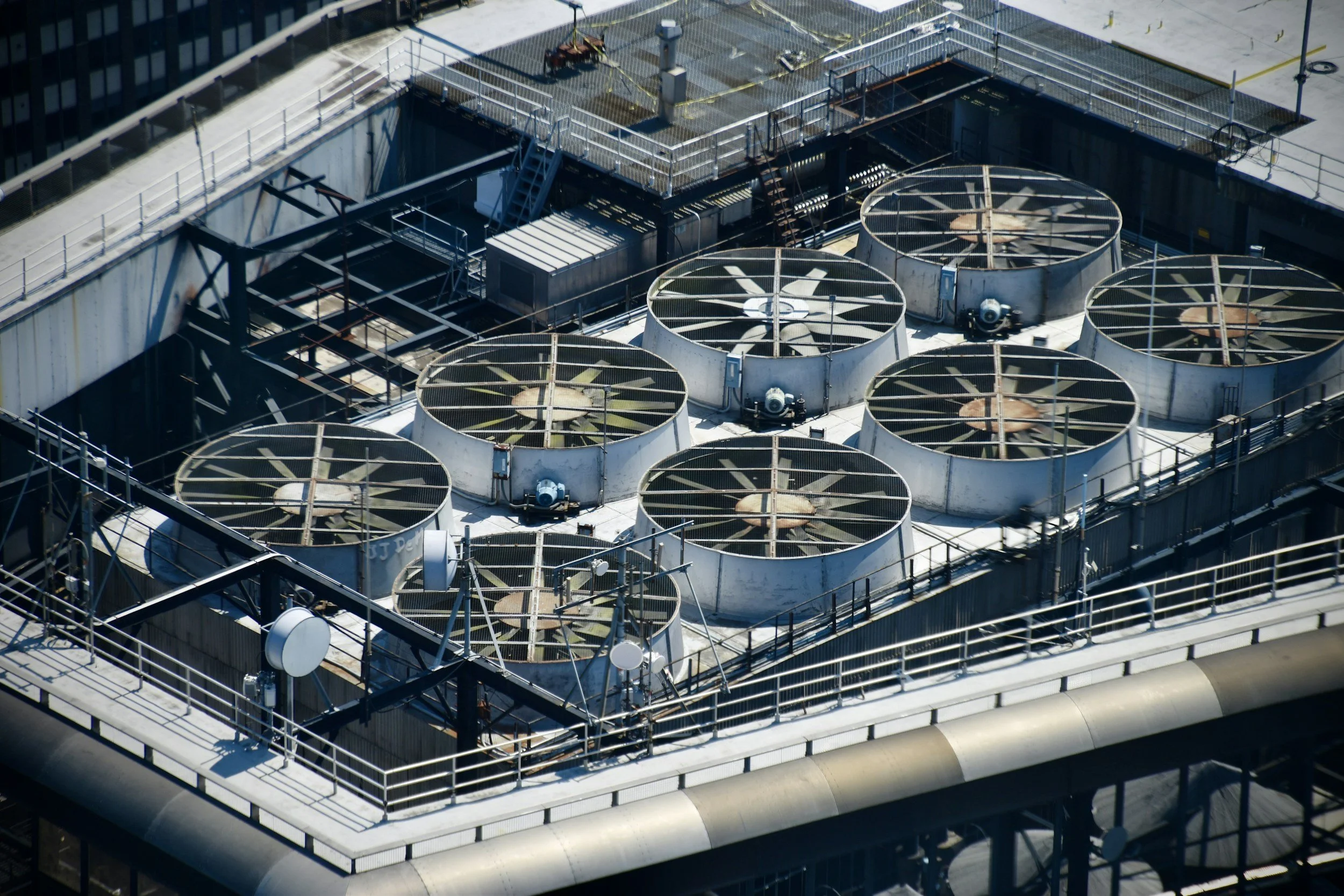
An aerial view of cooling towers. Source: Squarespace/ Unsplash
The source: cooling towers under scrutiny
Investigators believe the likely culprit is a contaminated cooling tower — the large industrial air-conditioning units common on apartment and office buildings. Since July 2, the city has tested roughly 150 cooling towers in the affected area, with about two dozen returning positive results for Legionella.
One of the flagged sites 1511 Third Avenue, tested positive despite passing its most recent required monthly private inspection — officials note it isn't yet clear whether the bacteria detected there is active or simply an environmental trace.
The city has ordered building owners with positive results to immediately drain, clean, and disinfect their towers, and released a preliminary list of building addresses. Gothamist also released a crowdsourced map of every cooling tower in the affected zone so residents can check inspection histories.
City response
Mayor Zohran Mamdani directed the Health Department to begin expedited testing across the affected neighborhoods, calling it a matter of using "every tool available" to protect residents. Health Commissioner Dr. Alister Martin urged higher-risk New Yorkers — people 50 and older, smokers, and those with chronic lung conditions — to seek care quickly if symptoms appear, since the disease is treatable when caught early.
Officials have also stressed what's not at risk: drinking water, cooking, bathing, and using air conditioning remain safe, and masks offer no protection against the bacteria since it isn't airborne in the way respiratory viruses are.
The shadow of last year's outbreak
This cluster arrives less than a year after a deadly Legionnaires' outbreak in Central Harlem sickened more than 100 people and killed seven, a crisis that raised questions about whether city staffing shortages had allowed the outbreak to spread. Last year, while the outbreak was mainly contained in Central Harlem, there was worry it could have expanded into the Upper East Side, which has proven true this year.
In response, new Legionella testing regulations took effect in May 2026, mandating more frequent inspections, alongside a proposed package of additional inspectors and community outreach funding for the next fiscal year.
For now, residents on the Upper East Side are being asked to stay alert to health alerts from NYC Health and to seek medical attention promptly if flu-like symptoms develop, rather than waiting them out.