Source: Squarespace/ Unsplash
About Cold Spring
Cold Spring is a village of about 2,000 people on the east bank of the Hudson River in Putnam County, 55 miles north of Manhattan and directly across the water from West Point. Most of what a visitor needs sits within a few blocks: a Main Street of 19th-century brick storefronts running downhill to the river, and a train station at the bottom of the hill.
The draw is the mix packed into that small footprint. You can walk the ruins of a Civil War-era iron foundry in the morning, look at postwar Italian art after lunch, and still have time to dig through the antique shops before the train home. Hudson Highlands trailheads and a Saturday farmers market complete the list.
This guide covers a handful of stops: the antique shops of Main Street, Magazzino Italian Art, the West Point Foundry Preserve, and the Cold Spring Farmers Market, plus how to get here.
Traveling to Cold Spring
Cold Spring is one of the easiest day trips out of New York City, and the train is the way most people do it. Driving works too, especially if you plan to reach Magazzino or the trailheads north of the village. Either way, the trip runs about an hour and a quarter to an hour and a half in normal conditions, and fall weekends are the busy season, when trains fill up and Route 9D slows down near the trailheads. Both routes follow the river for most of the way, so the trip itself counts as scenery, not dead time before the day starts.
By Train:
Head to Grand Central Terminal at 89 E 42nd Street in Manhattan, the starting point for Metro-North's Hudson Line.
Take a Hudson Line train toward Poughkeepsie. Buy a ticket from the machines or the TrainTime app before boarding, and try for a seat on the left side heading north, which puts you on the river side for the run up the Hudson past Yonkers, Croton, and Peekskill. Weekend trains run extra cars in leaf season, and they still fill up.
Get off at Cold Spring station. The ride takes roughly an hour and fifteen minutes. The station sits at the foot of Main Street, so the village starts the moment you step off the platform.
By Car:
Cross the George Washington Bridge and take the Palisades Interstate Parkway north to its end at the Bear Mountain Bridge.
Cross the bridge and turn left onto Route 9D north. Cold Spring is about nine miles up 9D, through Garrison. The Taconic State Parkway to Route 301 west is the other common route; Route 301 rolls straight into the village and becomes Main Street.
Park and walk. Parking is mostly street spaces and small lots, and it goes early on peak fall Saturdays. The village is small enough that the car stays parked for the day once you arrive.

Source: Wikimedia Commons. Arwcheek CC BY-SA 4.0
Main Street
Cold Spring's Main Street runs from the train station up a gentle hill, and nearly every storefront on it is aimed at people who like old things. The street sits inside the Cold Spring Historic District, and the 19th-century brick buildings that house the shops are part of the attraction before you buy anything. Antique stores and small boutiques do most of the business here, and the stock runs deep because the Hudson Valley has been supplying old houses, estates, and farm sales for two centuries. It is a working shopping street, not a strip of gift shops trading on the village name.
Browsing is the activity, and it rewards slowness. One shop will be mostly vintage jewelry, glass cases of brooches, rings, and watches from jewelers who signed their work a hundred years ago. The next leans into rare and secondhand books, the kind with cracked spines, fold-out maps, and somebody's grandfather's name written inside the cover in pencil. Most stores mix in a little of everything, so the hunt is never as organized as you planned.
Furniture is the serious end of the trade. Victorian chairs, farmhouse tables, lamps, and mirrors move through these shops constantly, and dealers here know the difference between a genuine period piece and a good-looking imitation. Pricing tracks the quality honestly: the real finds cost real money, but the smaller shops still turn up underpriced boxes of old paper, tools, and tableware that reward anyone willing to dig through them. Smaller collectibles fill the gaps: antique toys, art deco glass and chrome, old advertising signs, and kitchen tools built heavily enough to outlast their makers, which most of them have.
What keeps Main Street pleasant is that it never turned into a museum of itself. People actually live on and above these blocks, the hardware store still sells hardware, and the antique shops share the street with coffee and lunch. Come with a specific object in mind and you may well find it. Come with no plan at all and you will still leave carrying something, because nobody in the recorded history of this street has ever bought just one thing.

Source: Magazzino Italian Art
Magazzino Italian Art Museum
About two miles north of the village on Route 9 stands the least expected sight in Cold Spring: a concrete warehouse holding one of the best collections of postwar Italian art in the United States. This is Magazzino Italian Art, a museum and research center founded by collectors Nancy Olnick and Giorgio Spanu and built around their private collection. The name is literal, since magazzino is Italian for warehouse, and the building began life as an industrial space before its conversion.
Inside, the permanent collection covers the Arte Povera movement, the loose circle of Italian artists who came up in the 1960s and 1970s making work from plain, everyday materials: soil, glass, rope, rags, scrap metal. It sounds austere and plays surprisingly warm in person, spread through tall, quiet galleries that give big pieces room to sit. Look for work by Mario Merz, Giovanni Anselmo, Jannis Kounellis, and Michelangelo Pistoletto, whose mirrored panels put the visitor inside the piece whether they planned to be or not. The movement's whole argument was that art built from cheap, common stuff could carry as much weight as bronze or marble, and this collection makes the case room by room. Rotating exhibitions fill a second building added in 2023, which also holds the founders' Murano glass collection and a café.
Then there are the grounds, which is where Magazzino wins over everybody who came under protest. A herd of miniature Sardinian donkeys lives on the hill behind the museum, a nod to Spanu's home island, and they draw a crowd of their own between gallery visits. The donkeys hold strong opinions about Arte Povera and, out of professional courtesy, keep every one of them to themselves. A free shuttle runs from the Cold Spring station on visiting days, which makes the museum an easy add to a car-free trip.
Source: Squarespace/ Unsplash
West Point Foundry Preserve
At the south end of the village, a short walk from the station, the West Point Foundry Preserve spreads across 90 acres of woods along Foundry Brook. Scenic Hudson runs the site as an outdoor museum, and what it preserves is the reason Cold Spring exists. The West Point Foundry opened here in 1818 and grew into one of the most important ironworks in the country, at a time when the village around it was largely a company town built for its workers.
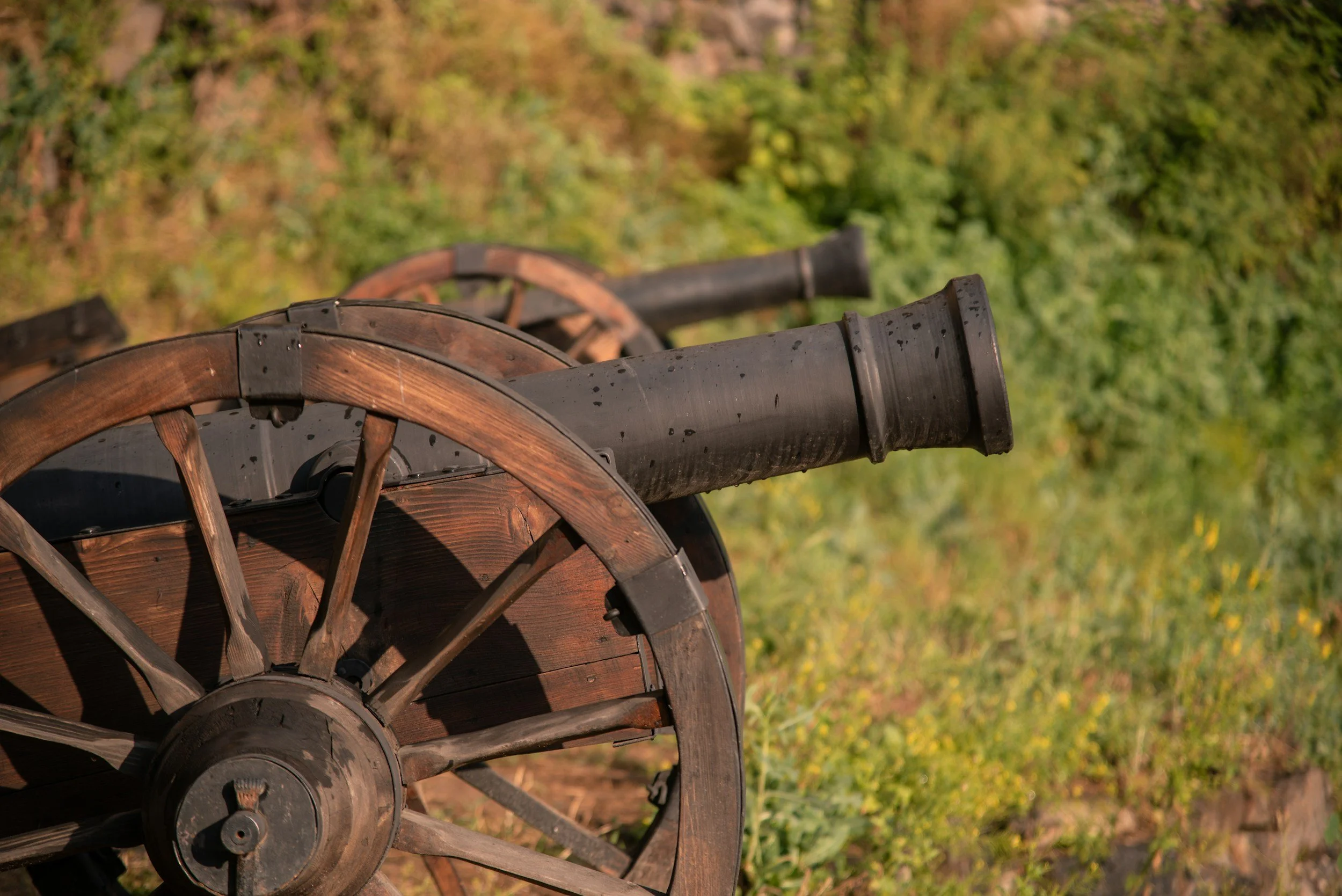
The list of what came out of this ravine is a short course in 19th-century American industry. The foundry built some of the country's earliest locomotives and steam engines, cast iron pipe for New York City's water system, and, during the Civil War, produced the Parrott rifle, the rifled cannon credited with a real share of the Union's artillery advantage. Abraham Lincoln visited in 1862 to watch a demonstration of the guns, which tells you what the place meant to the war effort. The works closed in 1911, and after decades of neglect and a cleanup of polluted Foundry Cove, Scenic Hudson bought the property in 1996 and opened it as a preserve in 2013.
Today the works are ruins in the trees, and that is the appeal. Trails follow the brook past the remains of the casting house, the boring mill, and the 1865 office building, with signs and sculptural installations marking where the machinery stood, including a full-size model of the 36-foot waterwheel that powered the boring mill. The federal government designated the site a National Historic Landmark in 2021. The preserve is free and open year-round from dawn to dusk, and an audiovisual tour runs on your phone as you walk, so bring headphones. It also works as a plain quiet walk: shade along the brook, birds in the cove, and none of the trailhead crowds up the road.

Source: The Empire City Wire
Cold Spring Farmers Market
The Cold Spring Farmers Market runs on Saturday mornings year-round, and it is where the village shops for itself. In the warm months the market sets up on the grounds of Boscobel House and Gardens, just south of the village in Garrison, with the Hudson spread out below the lawns. When winter comes it moves indoors to the parish hall of St. Mary's Church at Main and Chestnut streets, a few minutes' walk from the station.
The stalls cover the Hudson Valley week in one row: seasonal vegetables and fruit, pasture-raised meats, cheeses, eggs, flowers, and baked goods from farms and kitchens across the valley. It is a producer market, so the person handing you tomatoes is usually connected to the field they grew in, and the selection turns over with the harvest rather than with a distributor's truck.
One vendor worth hunting down is Braised Pies, which sells handheld pies filled with the likes of Steak and Ale and Coq au Vin, plus a few sweet ones for the train ride home. Get there in the morning for the full spread, and expect music and a crowd of neighbors treating the whole thing as the week's standing appointment.
Conclusion
A good Cold Spring day takes its shape from the village itself: antiques on Main Street, cannon foundry ruins in the woods, Italian art and an audience of donkeys up Route 9, and a bag of market pies for the ride home.
The last train south leaves you on the platform watching the light go down over West Point. It is the rare day trip that sends you home feeling like you went somewhere, rather than just out.