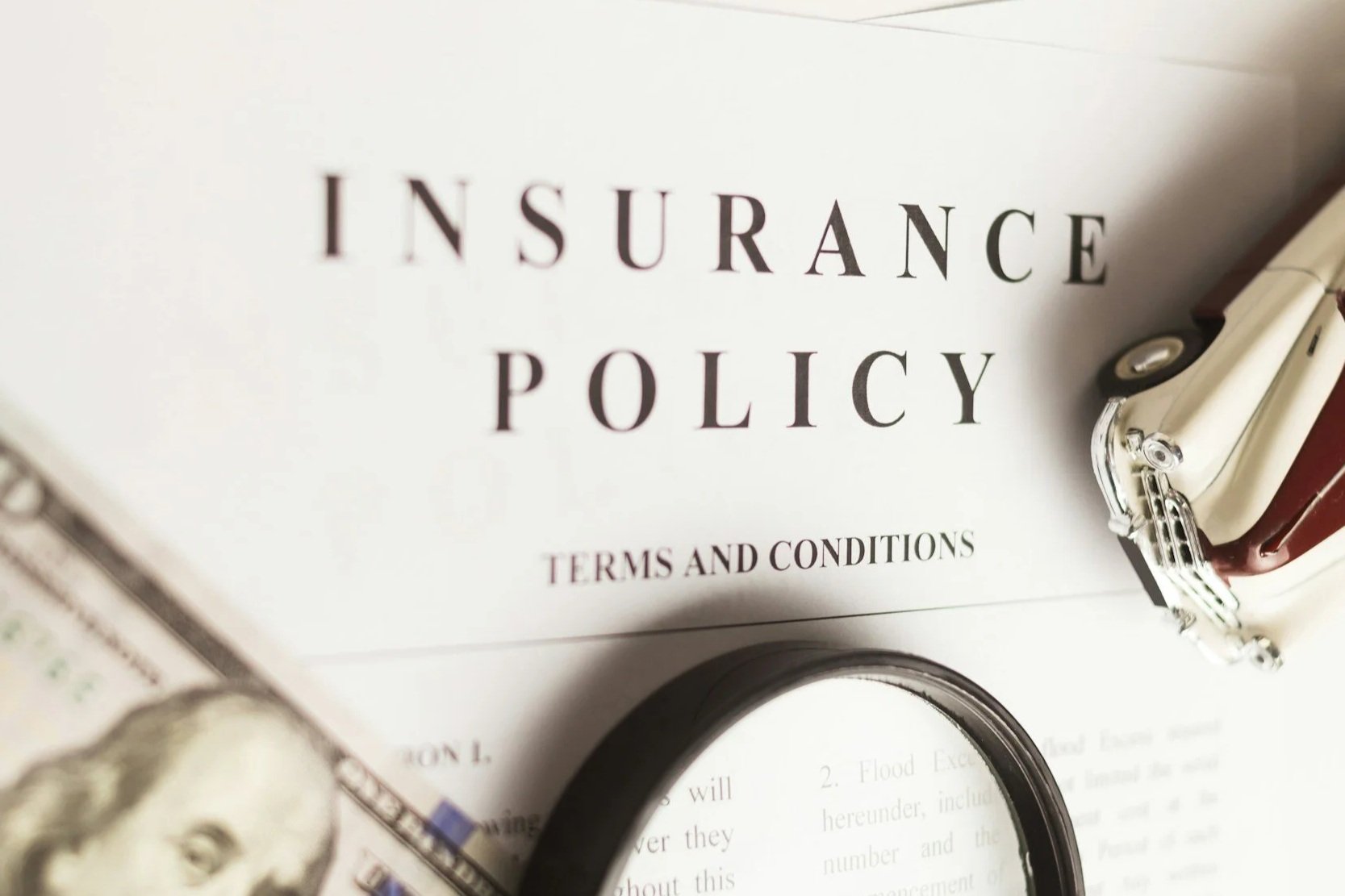
Source: Squarespace/ Unsplash
Nobody Likes Insurance Companies
Let’s be honest: nobody actually likes dealing with insurance companies. We pay them month after month, year after year, under the promise of protection and peace of mind. But when disaster strikes and we finally need them, they suddenly become masters of fine print, delay tactics, and disappearing acts. It’s almost as if their entire business model is designed to profit off our vulnerability.
At their core, insurance companies thrive by collecting premiums and avoiding payouts. That means they’re financially incentivized to find reasons not to cover you when you need it most. Whether it’s healthcare, auto, or home insurance, the less they pay, the more they profit. And guess who loses? You.
Insurance advertising is also built on “what if.” What if your car crashes? What if your house burns down? What if you get sick? Fear is their hook, and they’ve turned it into a multi-trillion-dollar industry that feeds off our anxieties.
1. The endless bureaucracy
Trying to file a claim feels like stepping into a maze with no exit. Mountains of paperwork, “accident investigations,” confusing jargon, and hours wasted on hold with customer service reps who can’t give you a straight answer. They’ve perfected the art of running you in circles until you either give up or settle for less than you deserve.
Health insurance companies also employ a, “deny, deflect, defend” strategy which is a common approach some insurers use to limit payouts or delay claims.
To deny means rejecting a claim outright, often citing technicalities, missing documentation, or policy exclusions. To deflect means redirecting responsibility—such as blaming another insurer, contractor, or even the policyholder—to stall or complicate the process. To defend refers to mounting a legal or procedural defense when a claimant challenges the denial, using in-house or outside counsel to protect the company’s financial interests.
This strategy can reduce short-term costs for the insurer but often frustrates policyholders, leading to accusations that the company prioritizes profit over its contractual obligations.
3. Outrageous premiums for minimal coverage
Insurance companies love to raise your rates—even if you’ve never filed a claim. Auto insurance hikes for living in the “wrong” zip code, health insurance spikes for simply existing, homeowners premiums climbing because of “market conditions.” And after paying all that, you discover your coverage is riddled with loopholes.
Premiums can become excessive when the amount charged to policyholders far exceeds the actual risk or cost of providing coverage. This can happen for several reasons: insurers may raise rates to offset investment losses, cover administrative inefficiencies, or maximize profit margins rather than strictly reflect risk. In some markets, limited competition allows companies to set high prices without pressure to lower them. Additionally, complex pricing models can obscure how premiums are calculated, making it difficult for consumers to challenge rate hikes. The result is that individuals and businesses may end up paying inflated costs for protection that provides diminishing value.

Source: Squarespace/ Unsplash
5. The lack of accountability
When insurance companies misbehave, they rarely face consequences that match the harm they cause. Regulators may issue fines or settlements, but these amounts are often insignificant compared to the billions in revenue insurers generate each year. In practice, such penalties serve as little more than a symbolic gesture—public proof of enforcement without any real impact on business practices. Behind the scenes, executives continue to collect bonuses, shareholders see steady returns, and the same patterns of denial, delay, and underpayment persist.
For policyholders, however, the cost is devastating. People who paid their premiums faithfully are left fighting bureaucracy while facing mounting bills, deteriorating health, or financial ruin. Patients are forced to ration medication or postpone care. Families rebuilding after disasters encounter endless paperwork, shifting excuses, and denied claims. The imbalance is stark: corporations can absorb regulatory punishment as a rounding error, while ordinary people are left to absorb the full weight of the system’s failures. This dynamic underscores a deeper issue—the incentives in the insurance industry reward avoidance of payouts, not protection of the insured.
The Bottom Line
Insurance companies market themselves as safety nets, but too often, they’re closer to trap doors. We’re told they exist to protect us, yet they seem more interested in protecting their bottom line. If they were people, they’d be that “friend” who borrows money and then vanishes when it’s time to pay you back.
Until the system is reformed—or completely overhauled—it’s safe to say insurance companies will keep living up to their reputation as literally the worst things ever.