The Threat Of A Walkout By NYC's Doormen On 4/20 Is The Only Thing Standing Between Manhattan And Mountains Of Uncollected Trash
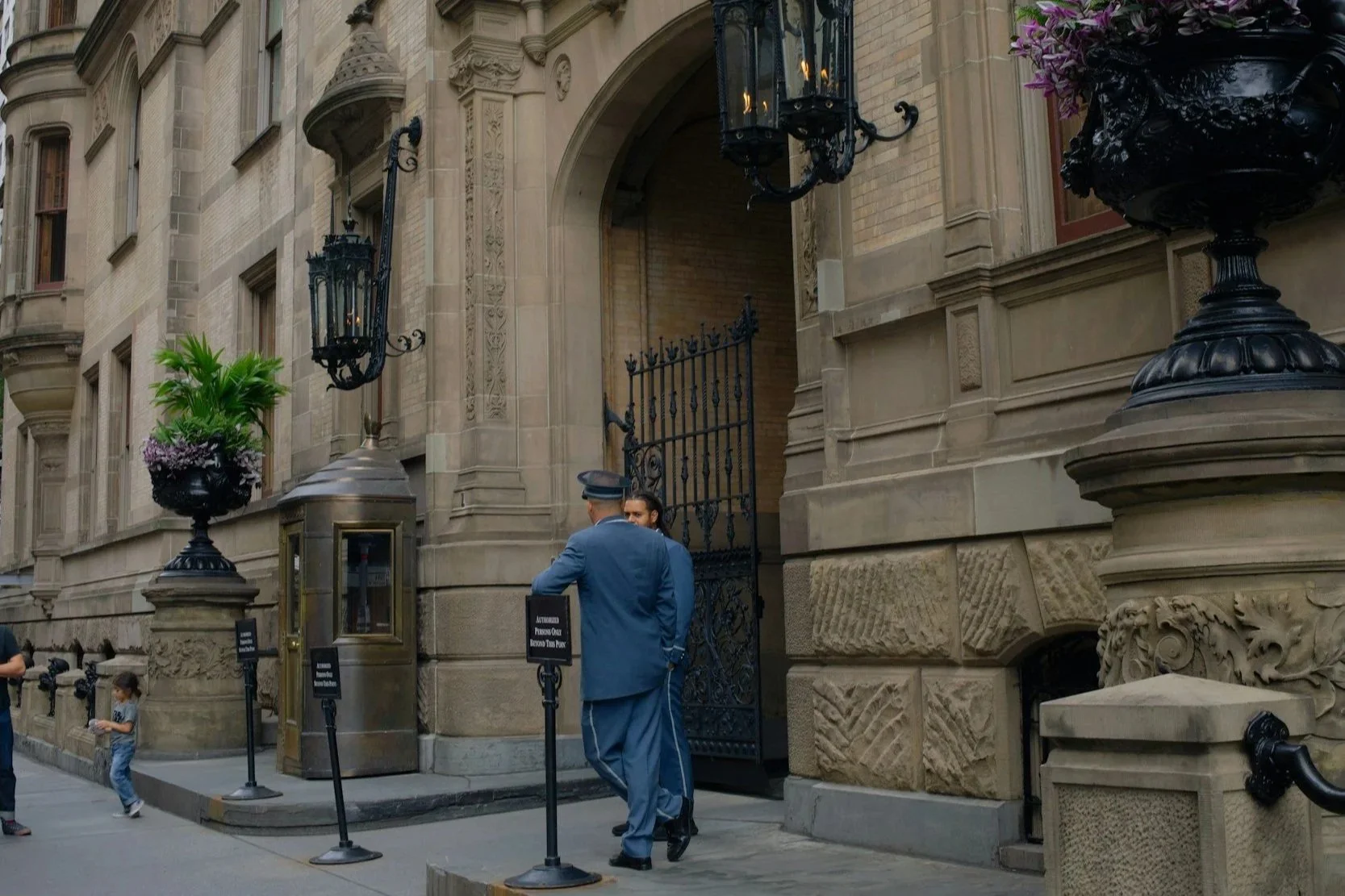
Source: Squarespace/ Unsplash
A Look Back at the History of Doorman Strikes
For New Yorkers living in large apartment blocks, the doorman is often the heartbeat of the building. They are the gatekeepers of security, the handlers of endless e-commerce packages, and the managers of daily logistics.
In addition, with so many jobs that once belonged to humans being automated, like the self checkouts at grocery stores, doormen jobs are some of the last jobs that are social, and provide personal or face to face interactions with people in their building and their neighborhood. Beyond their practical duties, they provide a critical layer of neighborhood stability and personal safety, acting as the eyes and ears of the street while fostering a sense of community for thousands of residents.
While they usually serve in a private capacity and are dedicated to one building they are as vital to those building’s residents as the NYPD, FDNY, or any other public service.
While the threat of a strike often looms during contract negotiations, the history of labor relations between the Service Employees International Union (SEIU) 32BJ and the Realty Advisory Board on Labor Relations is defined more by last-minute handshakes than by picket lines.
The last, and only, major strike in recent history by the Service Employees International Union (SEIU) 32BJ occurred in 1991, lasting 12 days and affecting hundreds of thousands of residents.
Key Details About NYC Doorman Strikes
The 1991 Strike: Roughly 15,000 workers, including doormen, porters, and elevator operators, went on strike for 12 days, resulting in massive garbage buildup and disruption to building services.
Strike Contingencies: In cases where strikes were threatened (like 2022), buildings prepared for residents to handle their own trash, security, and packages, according to NBC News and Bloomberg.
Common Causes of Disputes: Negotiations often hinge on wage increases, pension funding, and contributions to health insurance, say NBC News and The New York Times.
2022 Negotiation: A new contract for over 30,000 workers was reached just before a deadline, providing wage increases of over 12% over four years and protecting existing benefits, notes UPI and Bloomberg.
The Art of the Last-Minute Deal
Since that 1991 event, strike threats have become a periodic ritual in the city’s labor landscape. Tensions spiked in 2006, 2010, and most recently in 2022. In each instance, the rhetoric intensified as deadlines approached, but all were ultimately averted through grueling, eleventh-hour negotiations.
Many building management companies, co-op boards, and condos request residents to volunteer for tasks that would have been handled by doormen as a way of posturing leading up to the deadlines. With the last few negotiations ending in a eleventh-hour deal, many New Yorkers that live in doorman buildings do not take any of the strike contingencies seriously.
Why It Matters
For our readers, the stability of these contracts represents more than just labor statistics; it represents the continued seamless operation of the city’s vertical neighborhoods. While the threat of a strike remains a powerful tool for the union, the decades of successful negotiations since 1991 suggest that in New York, the preference for a deal almost always outweighs the chaos of a walkout.
The current four-year contract for over 30,000 NYC doormen and building workers represented by 32BJ SEIU expires at midnight on April 20th, 2026. A strike vote is scheduled for April 15, 2026, with a potential work stoppage possible as soon as April 21 if a new agreement is not reached.