The Empire City Wire’s Dream Presidential Cabinet For 2028
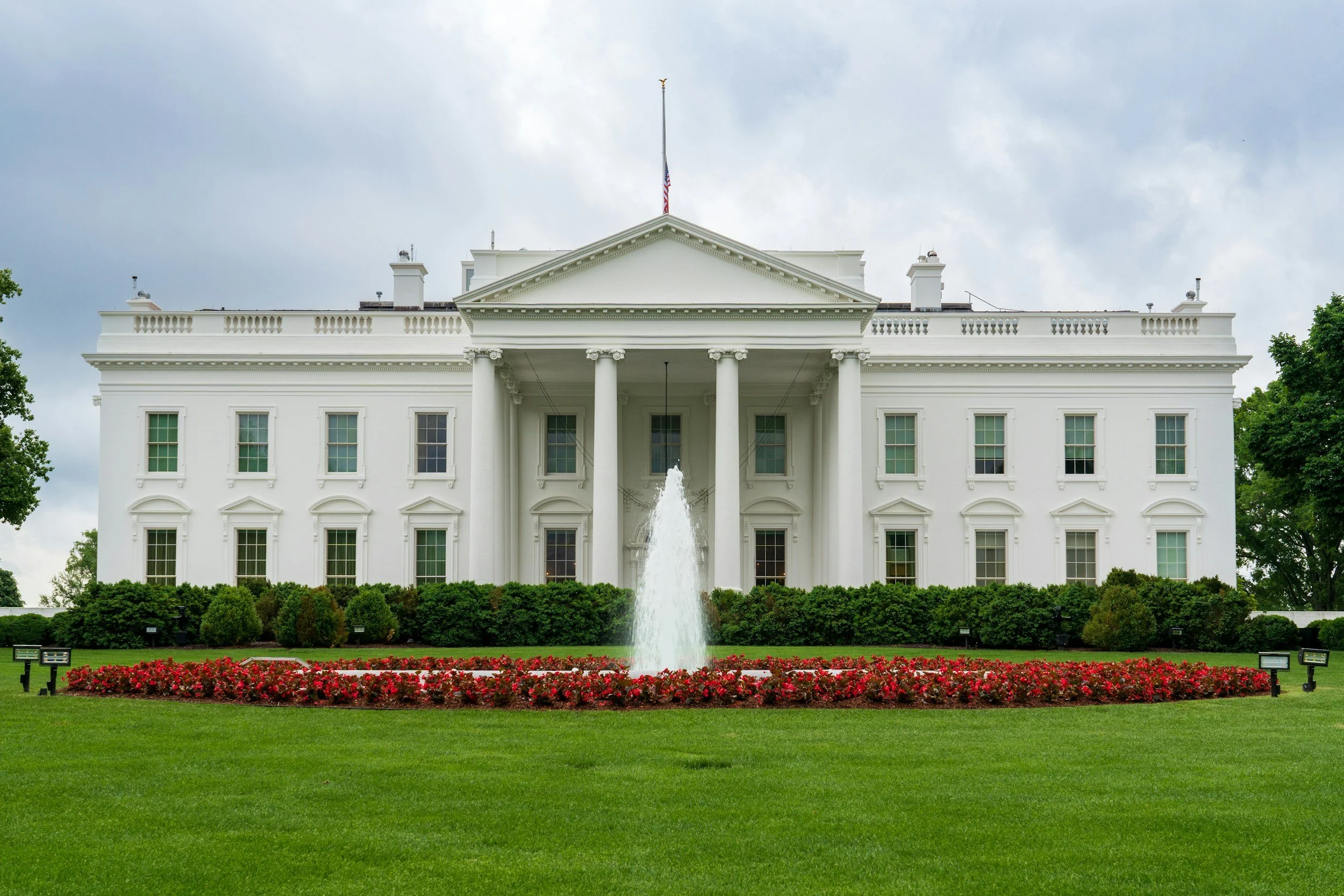
Source: Squarespace/ Unsplash
Project 2028
Building a government capable of navigating intersecting national crises requires abandoning incrementalism in favor of decisive structural reform. The following executive slate outlines an ambitious administrative vision; one designed to deliver long-term ecological resilience, expand public intellect, restore constitutional guardrails, and build lasting economic security for everyday Americans.
By uniting proven executive leaders around shared core principles, this cabinet targets eight foundational priorities:
Preventing Extinction & Combating Climate Change: Mobilizing federal energy, interior, and scientific agencies to accelerate a full clean energy transition, safeguard public lands, and protect global biodiversity.
Expanding Access to Education: Reinvesting in federal learning standards, expanding higher education access, and driving up national education rates across all demographics.
Protecting & Restoring Basic Human Rights: Rebuilding constitutional protections, enforcing civil rights laws, and safeguarding fundamental liberties for every individual.
Demanding Executive & Legal Accountability: Restoring the integrity of the rule of law by investigating and prosecuting systemic illegalities, ethics breaches, and constitutional violations committed by former officials.
Reducing Income & Wealth Inequality: Restructuring federal labor, tax, and housing policy to uplift low-income families, protect tenant rights, and bridge the growing economic divide.
Prioritizing National Nutritional Health: Transforming federal agricultural and health administration to secure sustainable food systems, expand access, and combat chronic dietary illnesses.
Funding Science & Research: Restoring federal investment in scientific innovation, medical research, and technological advancement as core drivers of national progress.
Restoring Fiscal Health: Implementing long-term, high-level financial oversight to stabilize national systems and responsibly tackle the national debt.
The Presidency
President: Gavin Newsom
Role description: Head of state, head of government, and Commander-in-Chief of the armed forces; directs overall federal policy and appoints the Cabinet.
Thesis: Brings executive experience governing the nation’s largest state economy and a proven ability to advance progressive policy on a national scale for Americans.
Vice President: Alexandria Ocasio-Cortez
Role description: First in the presidential line of succession and leader of the Senate, advising the President across all major policy areas.
Thesis: Offers exceptional grassroots mobilization skills and a strong legislative voice to unify diverse coalitions and drive key policy priorities in the Senate for Americans. She will also balance coverage of the country being from the east coast whereas Gavin Newsom is from California
Core Executive Departments
Secretary of State: Pete Buttigieg
Role description: Leads foreign policy, international diplomacy, and state affairs.
Thesis: Combines sharp analytical communication skills with executive experience to articulate modern American diplomacy effectively on the world stage for Americans.
Secretary of the Treasury: Jamie Dimon
Role description: Oversees economic policy, financial systems, tax collection, and national currency.
Thesis: Provides decades of high-level financial leadership to maintain market stability and navigate complex global economic systems for Americans.
Secretary of Defense: David Petraeus
Role description: Directs military strategy, defense operations, and the armed forces.
Thesis: Delivers deep military strategy experience and top-tier battlefield leadership to oversee national security operations for Americans.
Attorney General (Department of Justice): Kamala Harris
Role description: Acts as the chief law enforcement officer and head legal counsel for the federal government.
Thesis: Brings an extensive background as a prosecutor, state attorney general, and key executive leader to enforce federal law and uphold constitutional standards for Americans.
Secretary of the Interior: Deb Haaland
Role description: Manages federal public lands, natural resources, national parks, and Native American relations.
Thesis: Continues historic stewardship of public lands with deep expertise in conservation and strong relationships with Native American communities for Americans.
Secretary of Agriculture: Michelle Obama
Role description: Oversees farming, food safety, forestry, rural development, and nutrition programs.
Thesis: Combines a high-profile national advocacy background with a proven commitment to food security, nutrition standards, and public health for Americans.
Secretary of Commerce: Paul Krugman
Role description: Promotes economic growth, international trade, business development, and census tracking.
Thesis: Offers Nobel Prize-winning economic insight to shape trade policies, foster sustainable industry growth, and analyze market trends for Americans.
Secretary of Labor: Zohran Mamdani
Role description: Enforces labor standards, workplace safety, wage rules, and job training initiatives.
Thesis: Presents a dedicated focus on working-class advocacy, tenant and labor rights, and expanding worker protections for Americans.
Alternate: Chris Smalls, Amazon’s union leader would do a great job advocating for working class Americans.
Secretary of Health and Human Services: Anthony Fauci
Role description: Oversees public health policy, medical research, social welfare programs, and Medicare/Medicaid.
Thesis: Delivers unmatched public health experience and scientific rigor to manage national healthcare systems and disease prevention efforts for Americans.
Alternate: Andrew Cuomo, having led NYC and the country through COVID, has a strong commanding of the importance of public health institutions.
Secretary of Housing and Urban Development: Cory Booker
Role description: Manages national housing policies, community development, and affordable housing initiatives.
Thesis: Leverages former mayoral experience in urban revitalization to expand affordable housing and drive equitable community development for Americans.
Secretary of Transportation: Hunter Biden
Role description: Regulates national infrastructure, including highways, railways, aviation, and transit safety.
Thesis: Offers an international business background and legal training to navigate complex regulatory frameworks and infrastructure investment for Americans. In addition, he is the son of one of the biggest advocates for rail transportation, and Amtrak, Joe Biden.
Secretary of Energy: Elizabeth Warren
Role description: Controls nuclear energy, energy research, grid security, and national scientific laboratories.
Thesis: Brings tough oversight capability and a strong consumer-advocacy lens to accelerate clean energy transitions and grid security for Americans.
Secretary of Education: Jon Ossoff
Role description: Administers federal education funding, student loan programs, and national learning standards.
Thesis: Combines a focus on youth mobility with strong legislative skills to expand federal funding and access to higher education for Americans.
Alternate: George Bush, having legislated “No Child Left Behind” would do a good job reinforcing the importance of education.
Secretary of Veterans Affairs: Mark Kelly
Role description: Manages benefits, healthcare systems, and national cemeteries for military veterans.
Thesis: Leverages personal military service as a Navy combat veteran to understand and modernize healthcare and benefits for service members for Americans.
Secretary of Homeland Security: Jessica Tisch
Role description: Coordinates national security, border control, emergency response, and cybersecurity.
Thesis: Applies deep operational management experience and technological modernization skills from running major city infrastructure to national emergency and cyber defense for Americans.