Source: The Backroom
Background
The Back Room is one of the only bars in New York that was actually a speakeasy during Prohibition. It sits on the Lower East Side and still runs the way its predecessor did a century ago: low profile, no sign worth mentioning, and drinks served in teacups, the old trick for making a cocktail look harmless if the police walked in.
Nothing about it is new, and that is the point. During Prohibition, when selling alcohol was illegal, rooms like this one were where the neighborhood drank, danced, and socialized one step ahead of a raid. The Back Room keeps that atmosphere intact — the secrecy is now part of the fun rather than a legal necessity.
Finding it is the first test. At 102 Norfolk Street, the only marker is a metal gate lettered with the words "Lower East Side Toy Company," a front left over from the building's other life. Past the gate you head down a flight of stairs, through a below-ground passage, and into a small courtyard before the bar itself appears. The toy store, it should be said, sells no toys.
Source: Squarespace/ Unsplash
Entertainment
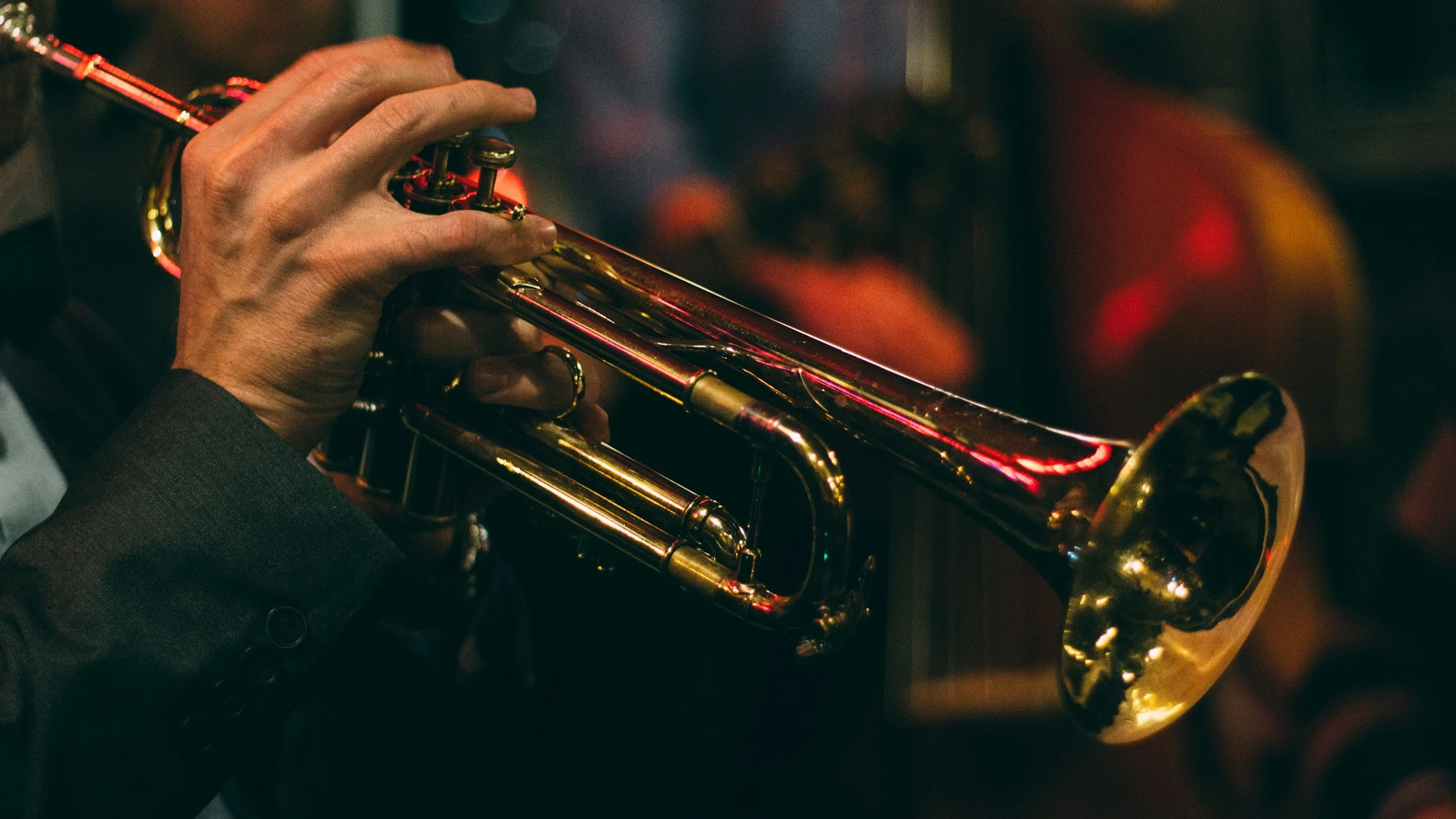
People come to drink, but the room is built for a night, not a quick round. There is a small dance floor, and the venue's calendar leans into the weekend: DJs play Thursday through Saturday nights, working through dance music old and new. There are also jazz nights on Mondays only.
Private events and full buyouts take over the space regularly, which suits a room that was designed to feel like somebody's secret. The door still runs on house rules, including a dress code, which keeps the room feeling more like a members' club than a tourist stop.
The décor carries the theme without turning the place into a costume party. The owners have filled the room with period pieces from the 1920s, low light, and vintage furniture, and there is a second room hidden behind a bookcase for private groups — the oldest trick in the speakeasy book, still in working order. It works for a date, a birthday, or a film shoot, but mostly it works for a group of friends who want to feel like they have gotten away with something. People play along with the fiction, too — dressing up a little, ordering carefully, and acting like they have slipped into 1929.

Source: The Backroom
History and décor
Step inside and the century drops away. The bar is dim, the furniture is antique, and the walls carry vintage photographs from the neighborhood's rougher years. Nothing feels scrubbed or themed within an inch of its life; it feels like a room that was furnished once, well, and then left alone.
The room's first life was as the back room of Ratner's, the dairy restaurant that once stood on Delancey Street, and in the 1920s it drew theater and movie people from across the city. The venue's history also places a heavier crowd at these tables: Bugsy Siegel, Lucky Luciano, and Meyer Lansky are all said to have held their discreet "business meetings" here during Prohibition. Whether every one of those meetings happened exactly as told hardly matters now — the story is part of the furniture.
Ratner's was a Lower East Side institution in its own right, a kosher dairy restaurant that fed the neighborhood for most of the twentieth century before closing in 2002. The restaurant is gone, but its back room carried on under a new name, which is how a speakeasy outlived the famous restaurant it hid behind.
That history is the reason the bar matters beyond its cocktails. Most Prohibition rooms vanished the day the law changed; this one never stopped being a bar. It offers something no replica can: a drink in a room where people actually drank illegally, at real risk, a hundred years ago.

Source: Squarespace/Unsplash
Cocktails and Drinks
The teacups are the signature. During Prohibition, serving alcohol in a China cup was a simple disguise: a raid saw a tea party, not a bar. The Back Room still pours its cocktails that way, a house rule that turns every drink into a small piece of theater. Beer drinkers get their bottles wrapped in brown paper bags, keeping the same spirit of cheerful concealment.
The menu reads the way a good neighborhood cocktail bar's should: the classics done properly, a set of house drinks that change with the bartenders, and nothing that exists only to be photographed. Regulars order the old standards; newcomers usually start with whatever the staff recommends, which is the right move — the room rewards trust. And because there is no kitchen competing for attention, the drinks carry the whole evening, a responsibility the bar takes seriously.
The list behind the cups is a modern cocktail menu, built on classics and house drinks, with beer and wine for anyone keeping it simple. One correction to what visitors sometimes expect: the Back Room does not serve food. The venue's own site says so plainly — this is a drinking room. Groups who book ahead can bring a cake, and full buyouts and the private room can bring in catering, but if you want dinner, eat first; the Lower East Side will happily handle that part.
conclusion
Plenty of bars dress up as speakeasies; the Back Room does not have to dress up. The room survived Prohibition, Ratner's, and a century of neighborhood change, and it still runs on the original formula: an unmarked gate, a walk down the stairs, and a drink in a teacup. The history is not decoration here — it is the reason the place exists.
The entertainment keeps it from feeling like a museum. DJs, a dance floor, and a crowd that actually shows up to socialize keep the room loud in the right way, closer to a neighborhood party than a history exhibit. A bar can trade on the 1920s for only so long; this one stays busy because the night itself is good.
What you get for the effort of finding it is a room that does not have to pretend. The music is current, the crowd is mixed, and the only period acting required is the walk in. First-timers sometimes worry they will miss the entrance; that worry is part of the ticket. Once you are down the stairs, the staff treat you like you belong there, which is the oldest hospitality trick of all — the speakeasy survives by making the secret feel shared, one table at a time.
If you go, go the way the regulars do: find the toy company gate, take the stairs down, and let the room do the rest. Few nights out in New York come with a better entrance — or a better story to tell the next day, preferably over coffee, in a mug, like a person with nothing to hide.