Source: Squarespace/Unsplash
The History of Rochester
Rochester sits on the south shore of Lake Ontario, where the Genesee River cuts through the middle of the city on its way to the lake. The city was an industrial city that peaked during the Gilded Age due to the massive manufacturing that went on across northern New York including in cities like Buffalo, Syracuse, and Albany.
Rochester was built on flour. Mills powered by the Genesee's falls made it one of the young country's great milling cities, the Flour City — and then the city did it again with pictures, when Eastman's Kodak made it the home of photography. After the flour manufacturing business went away the nickname eventually flipped to its homophone: the Flower City, known now for its lilacs. The city has since transitioned into a thriving center for commercial nurseries, seed companies, and floriculture.
George Eastman's Kodak built an empire here, with Xerox and Bausch + Lomb alongside it, and the camera money built the museums and halls below. The University of Rochester and the Rochester Institute of Technology keep the city young and student-heavy.
Source: Squarespace/ Unsplash
Discover the Arts and Culture Scene
Start with the Memorial Art Gallery, the University of Rochester's museum on University Avenue, which holds more than 13,000 objects running from ancient work to contemporary pieces. Contemporary artwork has its own addresses at the Rochester Contemporary Art Center and the Visual Studies Workshop, both locations are worth dedicating an afternoon.
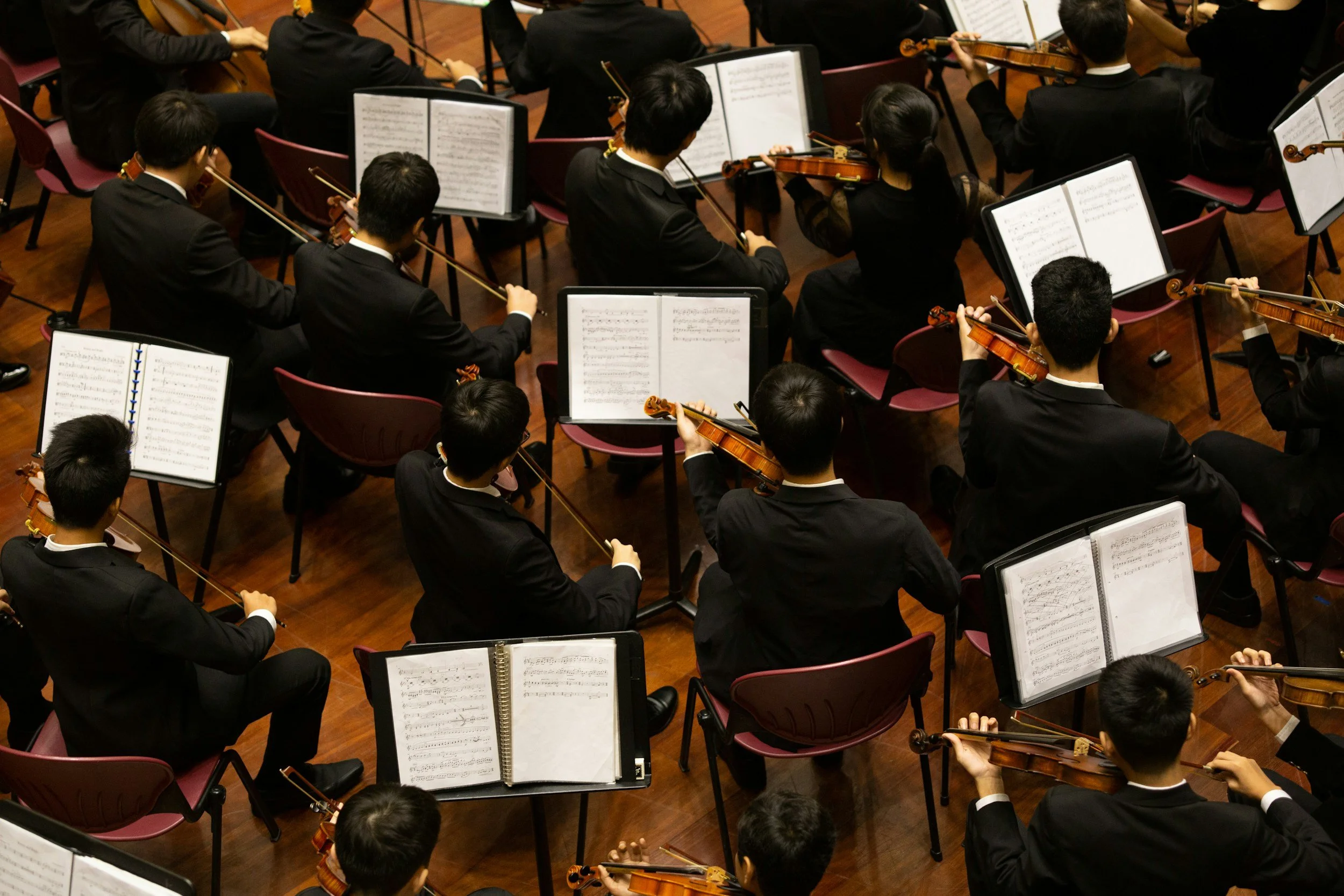
For music, the Eastman Theatre complex in downtown Rochester (Gibbs Street) is the city's grand music center, home to multiple different stages and theatres:
Kodak Hall at Eastman Theatre — the big one, 2,326 seats. This is the Rochester Philharmonic Orchestra's home stage (it's played there since 1930) and also where Eastman's large ensembles and opera productions perform. Opened 1922, built by George Eastman; the main hall was renamed for Kodak in 2009 after a $10M gift.
Kilbourn Hall — 444 seats, in the same complex. Eastman's chamber music hall, often called one of the finest in the world; named for George Eastman's mother.
Hatch Recital Hall — 222 seats, the newest (2010), in the Eastman East Wing. Solo and small-ensemble recitals.
Outdoors, Highland Park is the city's showpiece: about 1,200 lilac shrubs in more than 500 varieties, and the reason the Lilac Festival takes over the city every May. The nurseries that followed the flour mills turned the Flour City into the Flower City, and the lilacs are the receipt. The Genesee Riverway Trail runs along the river through town, and Mendon Ponds Park, a short drive southeast, is woods, ponds, and glacial hills.

A "Garbage Plate" from Nick Tahou Hots in Rochester New York. Image courtesy of Nick Tahou Hots
Indulge in Culinary Delights
Rochester eats with local pride, and the dish that proves it is the garbage plate: a base of fries and macaroni salad under your choice of meats, finished with a spicy meat sauce, onions, and mustard.
According to local lore the garbage plate was born at Nick Tahou's and copied all over town, and every local has a ruling on who does it best. For ingredients instead of institutions, the Rochester Public Market on Union Street has been selling produce and prepared food since 1905. Craft breweries fill the old industrial spaces.
Another newer local favorite sits inside the Hilton Garden Inn at College Town, on the edge of the University of Rochester's medical campus: Grappa, an Italian restaurant that calls its style Italian Nouveau. The idea is classic Italian cooking handled with a modern, lighter hand, and the room draws exactly the crowd you'd expect: visiting parents, alumni back for the weekend, residents celebrating something, and locals who figured it out early.
It's the kind of place that works for a parents'-weekend dinner and a plain Tuesday with equal ease. The menu keeps the Italian standards in rotation but plates them clean, the bar pours a proper grappa for anyone finishing the argument the name starts, and the whole operation feels like a neighborhood restaurant that happens to live in a hotel.

Source: Wikimedia Commons, Photo by Dmadeo/ CC BY 3.0
Fascinating Museums and Family Fun
Photography built this city, and the George Eastman Museum is where it keeps the receipts: the mansion and gardens of Kodak's founder, filled with exhibitions on the history of photography and film. Eastman built the house in 1905, and the gardens out back were his other lifelong project, kept the way he left them.
Families aim at two stops. The Strong National Museum of Play is a full museum of toys, dolls, and video games, where the exhibits are meant to be touched and the adults pretend they came for the children. The Rochester Museum & Science Center covers the science side, with a planetarium next door for the night sky.
Finish a short drive out in Mumford, about 25 minutes southwest, at the Genesee Country Village & Museum, the largest living history museum in New York State. Its 68 buildings were moved here from around the region and staffed with costumed interpreters and working tradespeople, so the 19th century runs as a working village rather than a display. The Seneca Park Zoo covers the animals back in the city.
Conclusion
Rochester rewards the visitor who slows down: a founder's mansion full of cameras, a museum where playing is the assignment, lilacs by the thousand, and a garbage plate with your name on it. It is a working city that converted industrial money into art, music, and gardens, and it is still adding to the collection. Bring an appetite and a free afternoon.