MTA Breaks Ground on the Q Train’s Historic March Into East Harlem
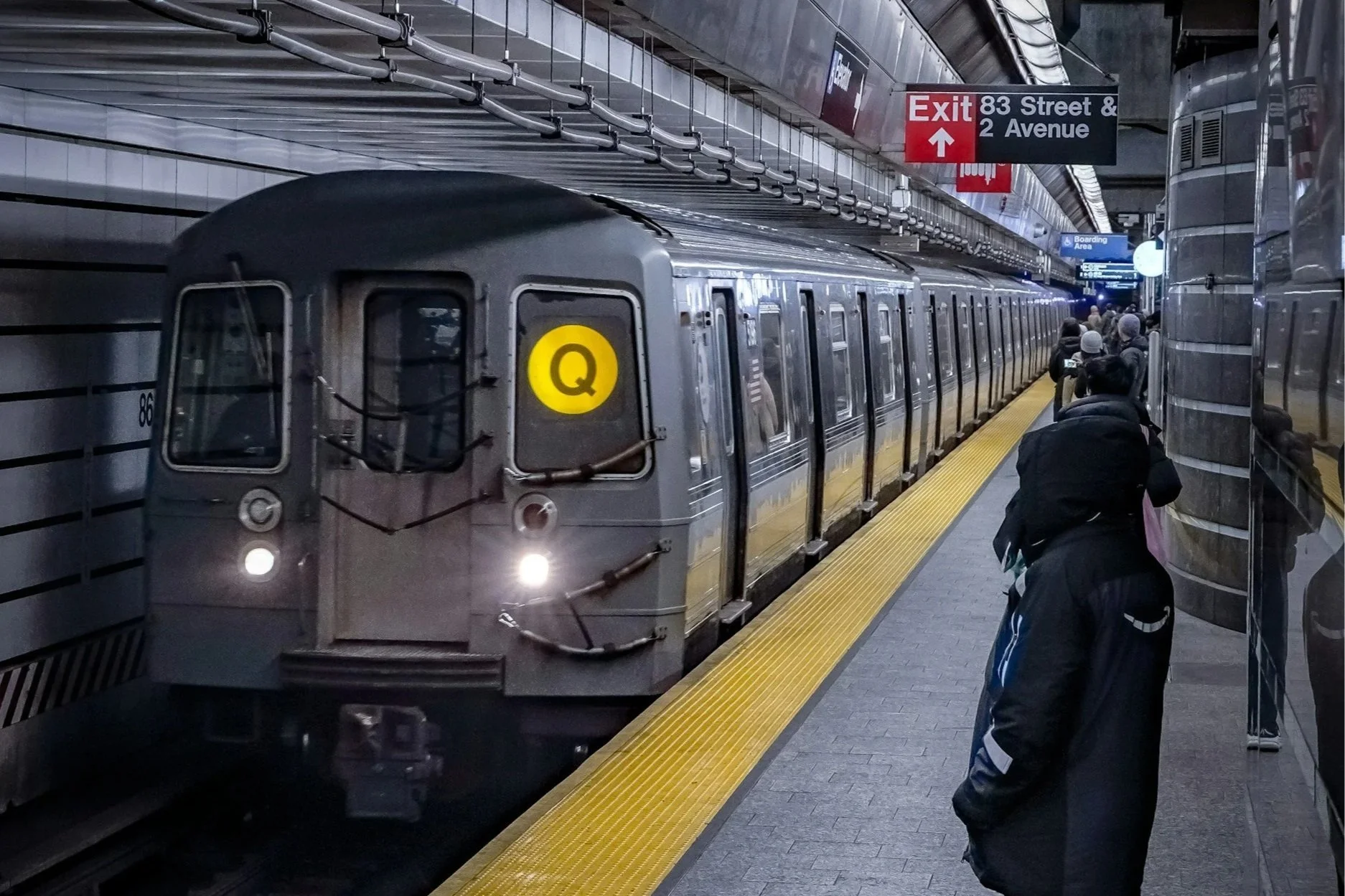
Source: Squarespace/ Unsplash
The Dream Realized
A century-old promise made to generations of upper Manhattan residents is finally moving from blueprint to bedrock. In a milestone moment for New York City’s transit infrastructure, Governor Kathy Hochul and leadership from the Metropolitan Transportation Authority (MTA) officially broke ground on the major construction stage of the Second Avenue Subway’s Phase 2 expansion.
The transformative project will extend the Q line 1.76 miles further north, stretching from its current terminus at 96th Street up to a massive multi-modal transit hub at 125th Street and Park Avenue.
For East Harlem—a historically underserved community and one of the dense capital centers of affordable housing in the United States—the extension represents a profound victory for transit equity. Roughly 70 percent of area residents rely purely on public transportation for their livelihoods. The return of a dedicated Second Avenue line aims to slash individual daily commutes by up to 20 minutes, offering a direct, one-seat ride all the way from El Barrio to West Midtown and down to Coney Island.
Subterranean Strategy: Faster, Smarter, Cheaper
With a total projected budget of $6.968 billion and an expected revenue service launch date in 2032, the MTA is fiercely determined to avoid the notorious budget overruns and delays that plagued Phase 1 on the Upper East Side.
Transit officials have designed Phase 2 with aggressive cost-containment strategies, yielding over $1 billion in early projected savings by adopting structural lessons from the past:
Recycling the 1970s: Unlike the solid bedrock of the Upper East Side, East Harlem’s geology consists largely of soft soil. To navigate this, engineers are creatively reclaiming and retrofitting uncompleted tunnel segments originally hollowed out in the 1970s before the city's infamous near-bankruptcy halted construction.
Streamlined Contracting: While Phase 1 juggled 10 separate contractor entities, Phase 2 consolidates the heavy lifting into just four performance-based, design-build contracts to maximize efficiency and minimize bureaucratic gridlock.
Proactive Utility Mitigation: The complex maze of unmapped underground pipes and wiring beneath Second Avenue is being thoroughly surveyed and relocated ahead of schedule, clearing obstacles before heavy drilling begins.
The active construction zone is centered around 120th Street and Second Avenue, where a massive, 1.5-million-pound variable-density tunnel boring machine (TBM) equipped with a 23-foot tungsten carbide cutter head will be lowered beneath the pavement. The mechanical titan will spend 2027 carving a westbound subterranean path directly toward 125th Street and Malcolm X Boulevard.
Three New Gateway Hubs
The extended route will introduce three state-of-the-art, fully ADA-accessible stations that promise to reshape local streetscapes:
106th Street Station: Positioned under Second Avenue, this station will utilize standard "cut-and-cover" construction methods to anchor the southern end of the new line.
116th Street Station: Nestled right in the bustling heart of East Harlem, this facility will integrate directly with the rehabilitated 1970s tunnels.
125th Street Station: The crown jewel of the expansion, located at Lexington and Park Avenues. This terminal will construct an immediate web of connection to the 4, 5, and 6 Lexington Avenue lines, as well as direct access to the Metro-North Railroad commuter lines.
Crucially for New Yorkers navigating these deep-tier platforms, the new stations will abandon traditional, winding escalator switchbacks in favor of high-speed, high-capacity elevator clusters to move passengers swiftly between the surface and the mezzanine. For comfort during sweltering August afternoons, the platforms will feature integrated air-tempering systems to supply cooled air down below.
Eyeing the Future: A Westward Expansion?
The economic ripple effects are hitting the community immediately. The project is expected to create thousands of union-wage construction jobs, backstopped by a strict 20 percent local hiring mandate specifically designed to put East Harlem residents on the payroll.
Even as the drill bits prepare to turn on Phase 2, state and city planners are already looking across the island. Bolstered by a $25 million engineering allocation in the state budget, initial scoping has begun to design an immediate follow-up phase that would push the Q train completely west along 125th Street all the way to Broadway. By capitalizing on the same specialized machinery and crews immediately after the East Harlem tunnels wrap, the city could add three additional stations to serve another 160,000 daily riders with unprecedented cross-town efficiency.
For a transit line once dismissed as "The Line That Time Forgot," the Q train is finally blazing a path toward a fairer, more connected city for New Yorkers.