Our List Of The Best One-Liner Deliveries In Film
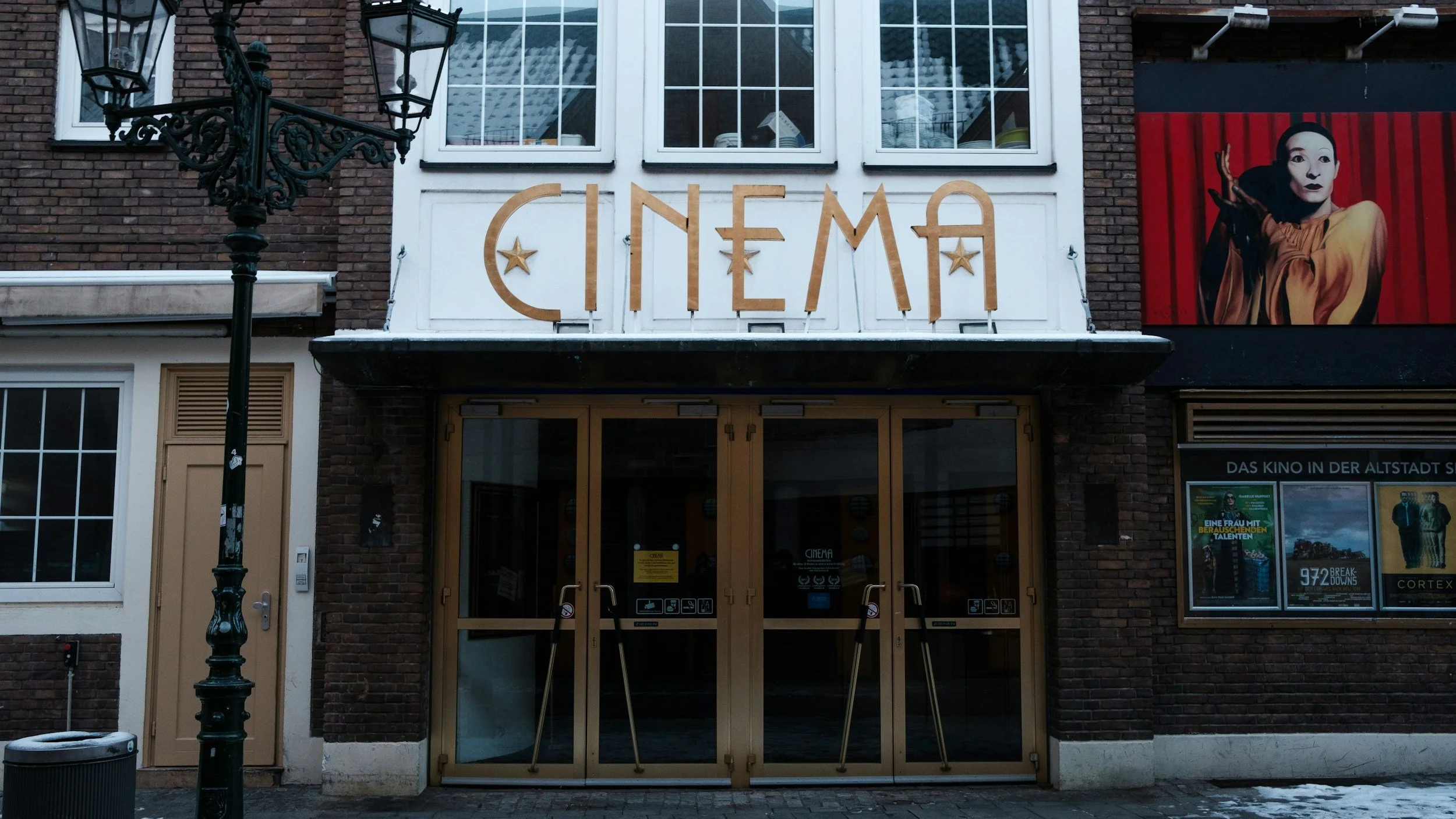
Source: Squarespace/ Unsplash
A look, a pause, and the line
There are actors who deliver monologues, and then there are those who only need one line. A few words—gravelly, clipped, maybe tossed over the shoulder—and the scene is burned into film history.
The one-liner is its own kind of cinematic power move. Stemming from good writing and strong dialogue, it doesn’t beg for attention; it seizes it. While good writing creates it, delivery from the right actor and the right mouth is just as important. A strong one-liner can end conversations, command rooms, and signal authority without asking for it.
Good one-liners linger long after the credits roll, and are repeated in dorm rooms, offices, and bars for years. And no one delivered them quite like this crew. With timing, presence, and an almost casual menace, they made single sentences feel like seismic events.
The List:
Sean Connery didn’t raise his voice—he raised eyebrows. With a scotch-dry wit and that unmistakable brogue, he could level a villain or seduce a stranger with a line as casual as it was cutting. Whether it was Bond’s iconic “shaken, not stirred” or a sardonic comeback in The Rock, Connery’s delivery always carried the weight of a man who knew he’d already won.
Harrison Ford made sarcasm heroic. In his hands, one-liners became shields—deflections, defenses, declarations. Think of Star Wars, when Princess Leia says “I love you,” and he shrugs: “I know.” It’s cocky, romantic, perfect. Indiana Jones, meanwhile, made the weary quip into a weapon. Ford’s genius wasn’t in how loud he spoke, but in how little effort he seemed to need.
Humphrey Bogart didn’t waste words. His best lines were delivered like cigarettes—smoky, slow, and burning at the edges. In Casablanca: “Of all the gin joints in all the towns in all the world, she walks into mine.” A line soaked in heartbreak, memory, and fate. Bogart turned bitterness into poetry and gave cynicism its most seductive voice.
Arnold Schwarzenegger weaponized simplicity. He didn’t need rhythm or subtlety—he had brute clarity. “I’ll be back” isn’t just a line; it’s a cinematic sledgehammer. Commando, Predator, Total Recall—Arnold’s movies ran on mayhem, but paused just long enough for him to drop one unforgettable line after another, usually right before (or after) blowing something up.
Clint Eastwood spoke like someone who’d already measured you for a coffin. His one-liners were threats, challenges, or judgments, and they rarely exceeded five words. “Go ahead—make my day.” It’s not just dialogue—it’s a stare with punctuation. Eastwood’s power wasn’t in yelling; it was in making silence work for him until he chose to break it.
Sylvester Stallone, especially in the Rocky and Rambo eras, delivered one-liners soaked in grit. He mumbled them. He growled them. But they stuck. “Nothing is over!” or “Yo, Adrian!”—lines that became part of the American vocabulary, not because they were poetic, but because Stallone made you feel them. He gave the underdog his own kind of poetry: raw, earnest, and stubborn.
Owning The Dialogue
Films with memorable one-liners, along with the actors that deliver them become and remain timeless. They are what distinguish a quick flick from a historical blockbuster.
Together, these actors didn't just recite lines—they owned them. They made minimalism iconic, proving that sometimes a single sentence, in the right hands, can hit harder than a page of dialogue. The look, the pause, the line—cut to black.