

A Love Letter to the City's Old Trains
Source: Squarespace/ Unsplash
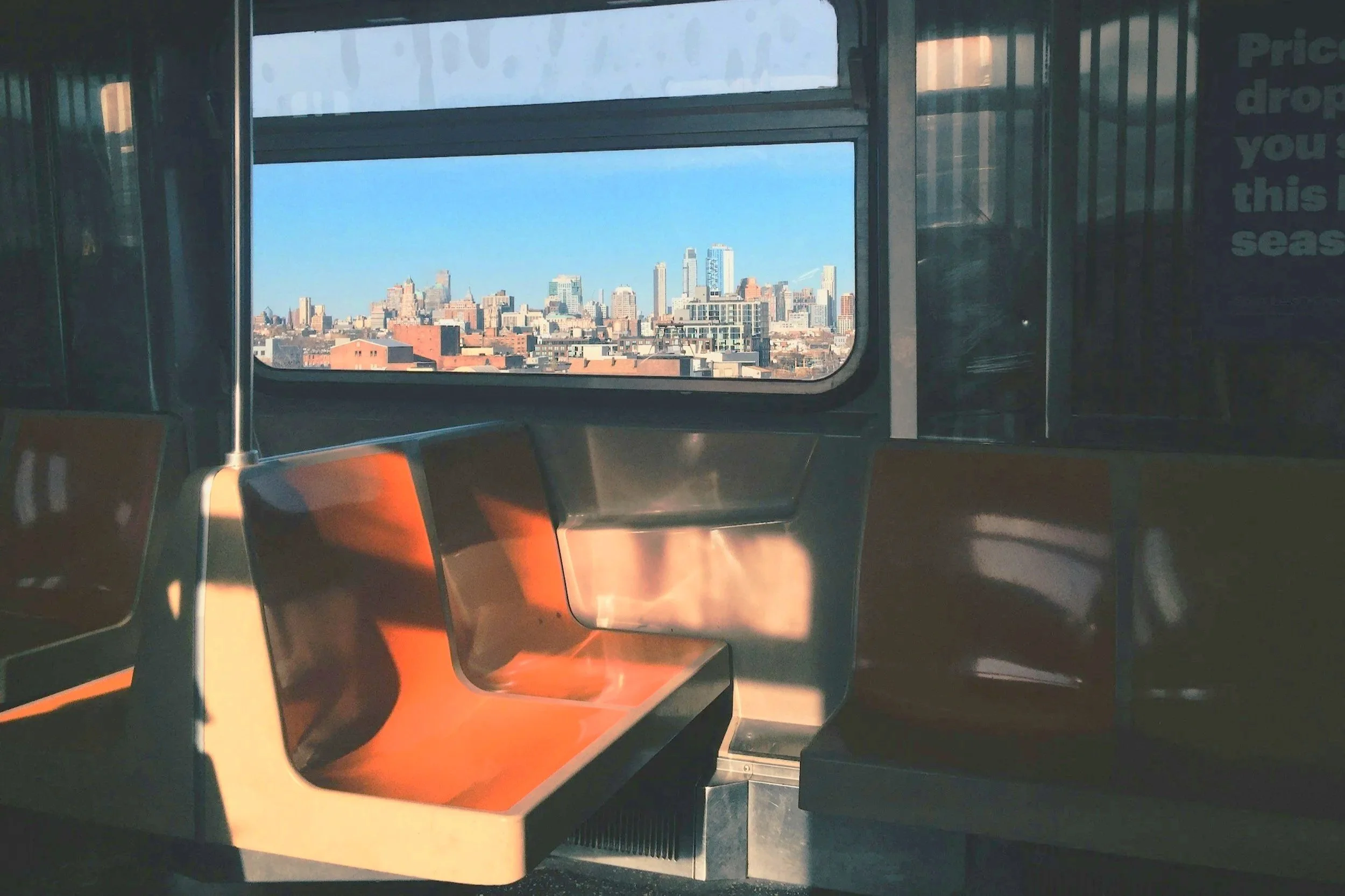
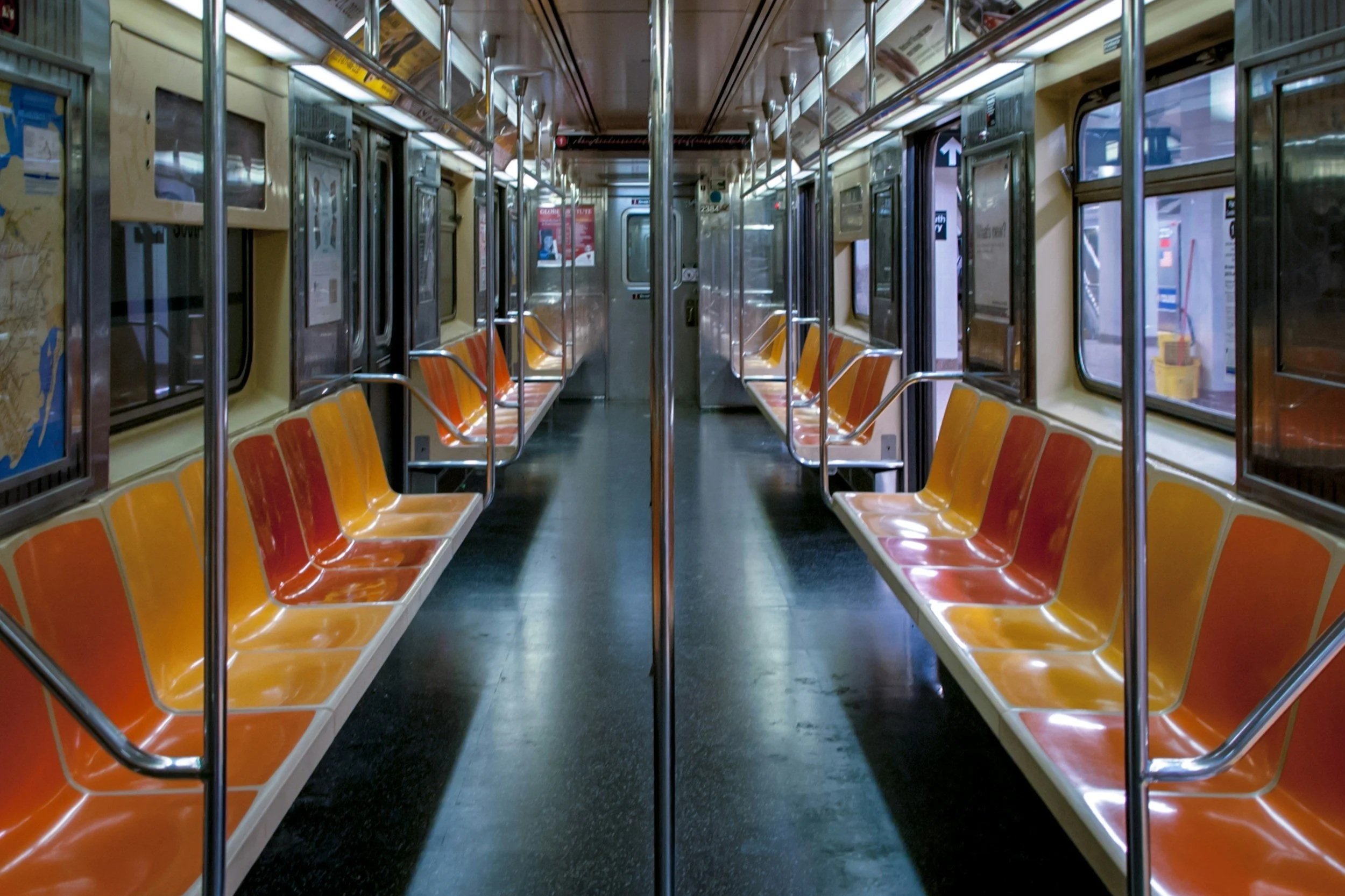
Every New Yorker has their favorite train. However, many of our favorite models are running on borrowed time, soon to be replaced by newer, more modern counterparts. The oldest, and arguably the most quintessential train in the MTA’s current fleet, is the R46; more commonly known as the one with the yellow and orange seats. This model first entered MTA service in 1975 and has been an absolute classic since. From music videos to movies, these trains have become a fixture of the city's pop culture scene and New York’s “vibe”.
These trains carry a certain warmth that newer models simply cannot match; the horizontal-facing side seats, the comforting yellow and orange hued seats, and the warm lighting give these trains a certain cinematic quality that cannot be ignored. Their design evokes a sense of “homey-ness” in the hearts of many New Yorkers. Something about this model is special. The personality found in R46s is absent in the more modern trains in NYC’s fleet. They are lackluster and devoid of the city's quintessential style. Their cool-toned lighting gives them a sterile, almost hospital-like look. The lack of side seats and cherished ‘cozy corners’ is disappointing to many commuters. Sadly, New York must soon say farewell to the R46 trains, with discontinuation of the model set to take place by the end of 2026.
Though nothing can replace the R46, there are some newer trains with icon potential. For example, the R160 and R142 train models that make up the largest portion of the NYC transit fleet. These models are characterized by their light blue seats and simple design. Not bad, but not nearly as iconic as the R46 and adjacent models.
But, the newer the model, the worse it seems to get: this is especially noticeable with the latest MTA release, the R211T. This model has been rolled out primarily on the A, C, and Staten Island Railway systems. The problem with these trains is not simply a poor color palette or lacklustre design, but a safety concern, particularly the lack of a division between cars. For daily commuters, the issues with this design are apparent: the problems of one car now become those of the whole train. This “open-gangway” model poses several practical issues, including general security, potential fire and smoke spread, difficulty with repairs, operating restrictions, and the obvious “smell factor”. Thankfully, transit officials have begun to recognize this and are currently evaluating the future of this model in the NYC transit system, in addition to possible design revisions.
Source: Squarespace/ Unsplash
Few things can replicate the feeling of being in the cars of these older model trains; Their warmth, style, and undeniable “New Yorkness” are unparalleled. An abandonment of these cars is an abandonment of New York’s character; however, it is an inevitable change. About every decade, New Yorkers are forced to bid farewell to an old train fleet and step onto shinier, newer cars during their commutes. This natural shift is difficult and not something that comes lightly as we say goodbye to a figment of our city’s past.
So, I encourage you, next time you are on a R46, to really take it all in. You’re riding on a relic of our city's past, one that will soon be swept away by the passage of time. So, sit on the orange and yellow seats, study the dated LCDs, gaze out the windows that thousands of others have looked through as well through the years, and enjoy the ride.
Written by Olivia Lanzi