In NYC, Broadway And Performing Arts Stand To Gain The Most Out Of AI
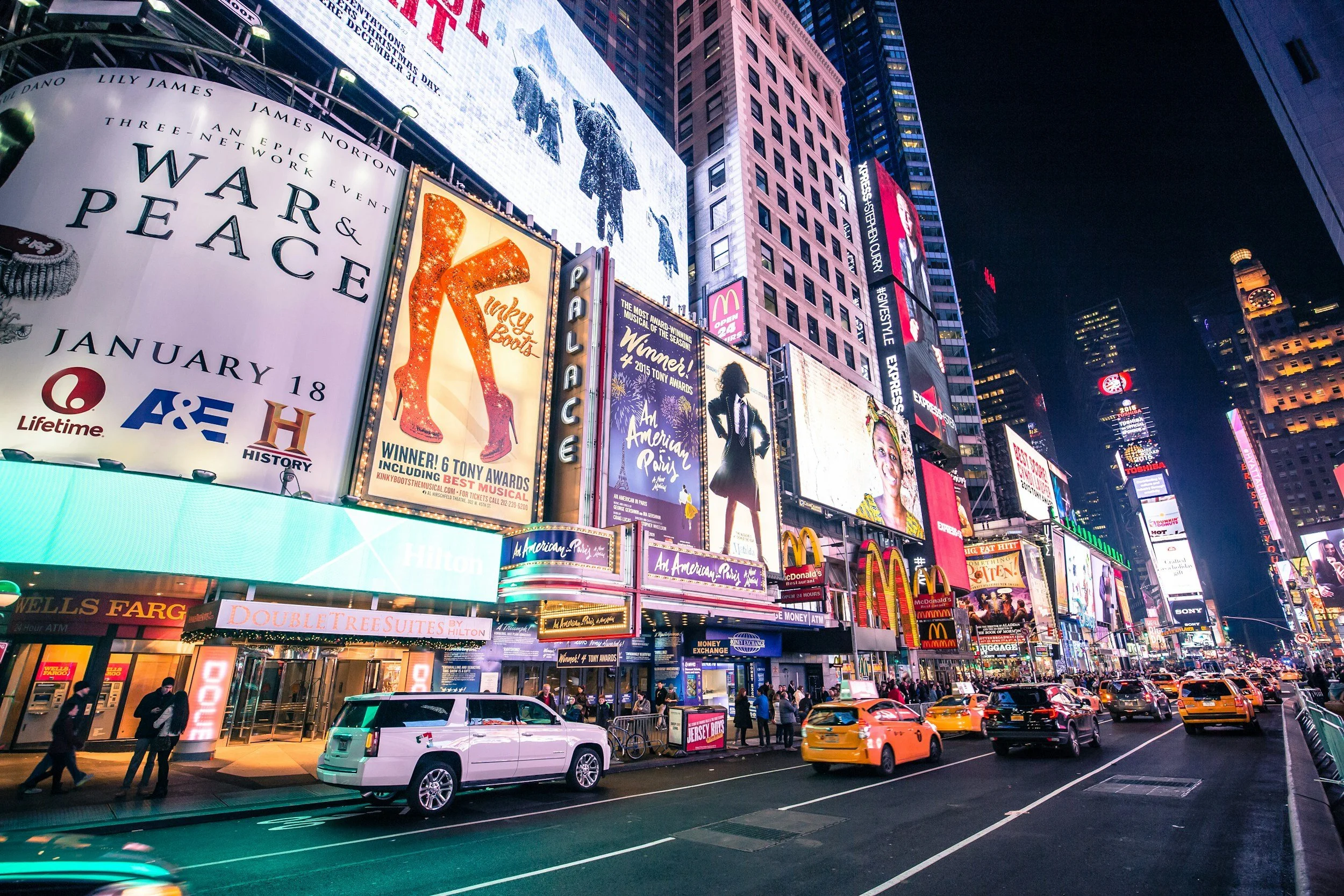
Source: Squarespace/ Unsplash
Why Broadway is AI’s Final Frontier
As artificial intelligence begins to weave itself into the fabric of our digital lives—generating scripts, composing pop hits, and animating silver-screen spectacles—a curious shift is occurring in the cultural landscape.
While many industries fear the "AI takeover," the performing arts—from the footlights of Broadway and the theater district to the storied stages of Lincoln Center—stand to gain the most for New Yorkers as the ultimate bastion of the human experience.
For New Yorkers, the theater has always been more than just entertainment; it is a communal ritual. As our digital worlds become increasingly saturated with synthetic content, the value of the "analog experience" is skyrocketing. In an era of deepfakes and algorithms, the raw, unreplicable nature of live performance is becoming the ultimate luxury.
The Irreplaceable Human Element
The core of the Broadway experience lies in its vulnerability. When an actor hits a high note in the middle of a packed house, or a dancer executes a flawless sequence inches from the front row, the audience is witnessing a feat of human athleticism and emotion that exists only in that specific moment.
AI can simulate a voice, but it cannot simulate the shared breath between a performer and a crowd. It can write a lyric, but it cannot feel the "vibe" of a room and adjust a comedic pause accordingly. This "human-to-human" connection is a closed loop that digital intelligence simply cannot enter. As digital content becomes cheaper and more ubiquitous, the premium on "being there" will only grow.
From Digital Fatigue to Live Connection
We are already seeing the early signs of digital fatigue. When everything on our screens can be manipulated or generated by a prompt, the "truth" of a live performance becomes a sanctuary. Broadway offers what AI never can:
Spontaneity: No two shows are exactly alike. A missed cue, a sudden burst of laughter, or an improvised line creates a unique historical event for those in the seats.
Physicality: The grand architecture of the theaters, the smell of the stage makeup, and the literal vibration of an orchestra are sensory experiences that a VR headset cannot fully replicate.
Community: For our readers, the theater is a social anchor. It is a place where thousands of strangers gather to sit in the dark and feel the same emotion at the same time—a stark contrast to the isolated consumption of digital media.
The New Gold Standard
In the coming years, we may see a "flight to quality" where audiences move away from mid-tier digital content in favor of high-stakes live events. As AI takes over the "repeatable" tasks of storytelling—editing, basic animation, and background scores—Broadway remains the bastion of the "unrepeatable."
By leaning into its analog roots, the New York theater industry isn't just surviving the AI revolution; it is positioned to lead a cultural counter-movement. In a world of infinite digital copies, the original human experience is the only thing that remains truly scarce.