Under the River and Into the Future: Inside NYC’s Biggest Rail Breakthrough
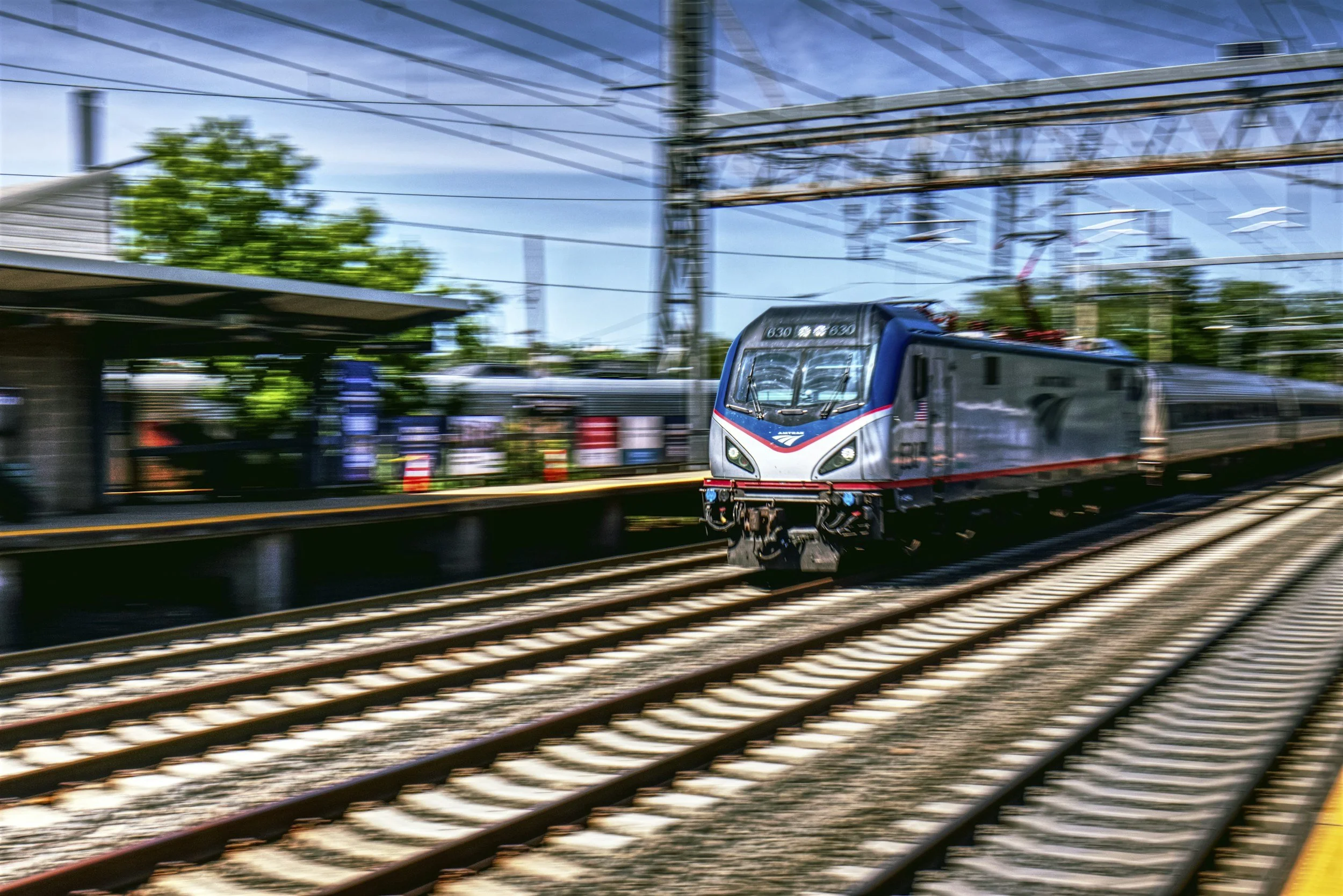
Source: Squarespace/ Unsplash
Current Status: Major Work Underway
The long-awaited Hudson Tunnel Project—the centerpiece of the $16 billion Gateway Program—has officially shifted from a decade of political gridlock into active, heavy construction. For New Yorkers who rely on Amtrak and NJ Transit, the project promises to fix the region's single biggest transportation bottleneck: the crumbling, 116-year-old North River Tunnel.
The Gateway Development Commission (GDC) has divided the massive enterprise into ten distinct construction packages, with over half currently in active construction.
Tunnel Boring Machine Prep: At the Tonnelle Avenue site in North Bergen, New Jersey, crews are assembling two massive Herrenknecht tunnel boring machines (TBMs). These machines will bore roughly a mile through the Palisades rock face toward the Hudson River.
Hudson Yards Concrete Casing: On the Manhattan side, work continues on Section 3 of the Hudson Yards Concrete Casing. Massive concrete pours are preserving the essential underground right-of-way that will eventually connect the new river tubes directly to New York Penn Station.
Manhattan Shaft & Excavation: The Manhattan shaft and the connection into Hudson Yards is underway, setting up the ground site where river-boring operations will eventually terminate.
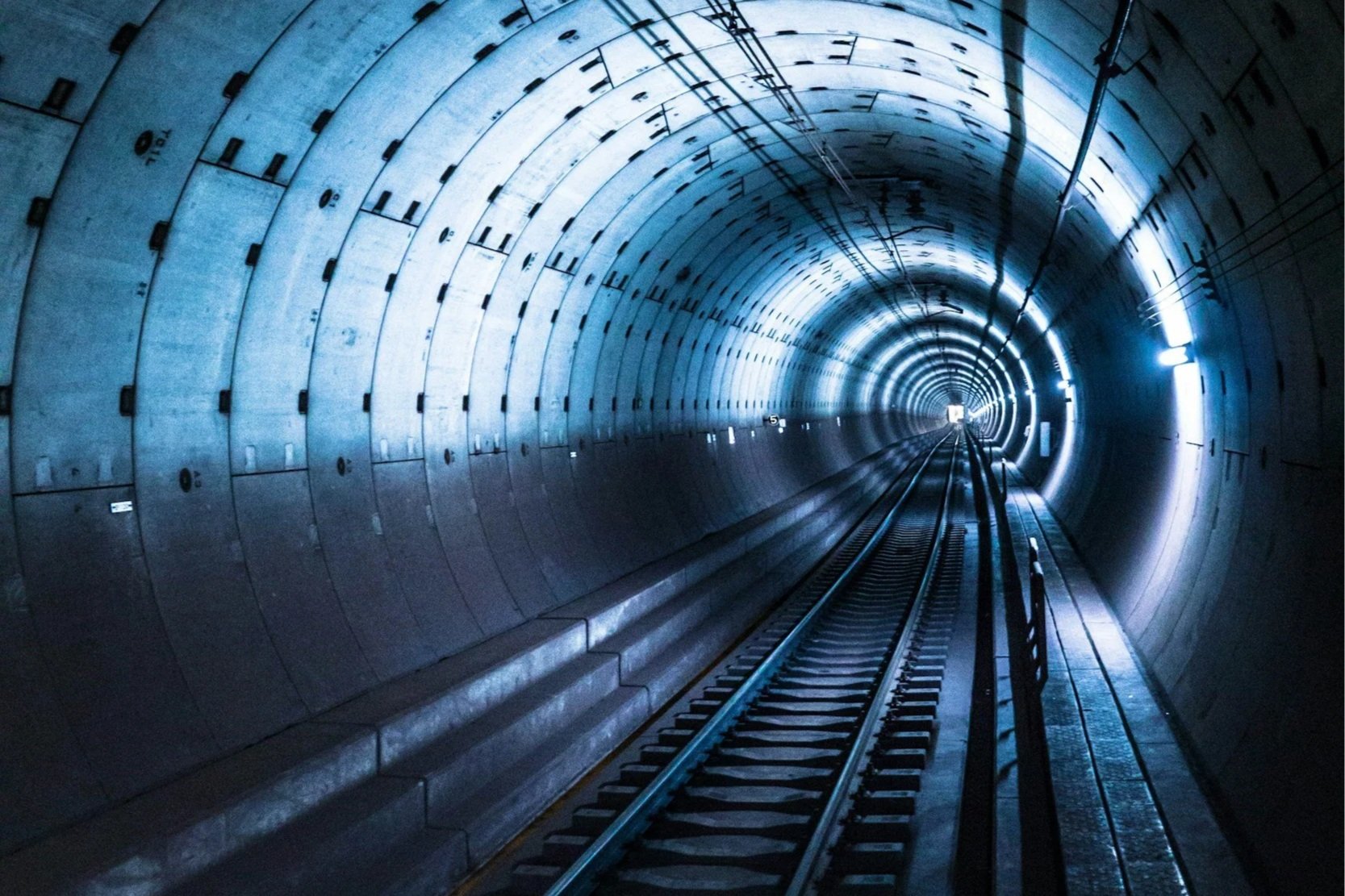
Source: Squarespace/ Unsplash
The Core Plan & Timeline
The overarching goal is to double passenger train capacity across the Hudson River while modernizing legacy infrastructure.
New Hudson River Tunnel: Construct a new two-tube, almost 5-mile rail tunnel beneath the Hudson River, targeted for completion and entry into service by 2035.
North River Tunnel Rehabilitation: Fully repair and modernize the existing 1910 tubes damaged during Superstorm Sandy once the new tunnel is operational, with a target completion date of 2038.
Full Gateway Expansion: Complete four fully operational, resilient tracks west of Penn Station by the late 2030s.
Why the Urgency Matters
The existing North River Tunnel opened in 1910. When Superstorm Sandy flooded both tubes with seawater in 2012, residual chlorides and sulfates were left behind inside the concrete and electrical systems. That lingering damage remains a primary driver of recurring signals and track delays for thousands of daily commuters.
Building the new tunnel first allows Amtrak and NJ Transit to take the old tubes offline one at a time for comprehensive repairs without reducing daily train service. Once all four tracks are operational, the expanded system will offer built-in redundancy, cutting down chronic delays and building long-term resilience for the entire Northeast Corridor.