Horseback Riding Will Soon Reclaim Central Park’s Forgotten Bridle Paths
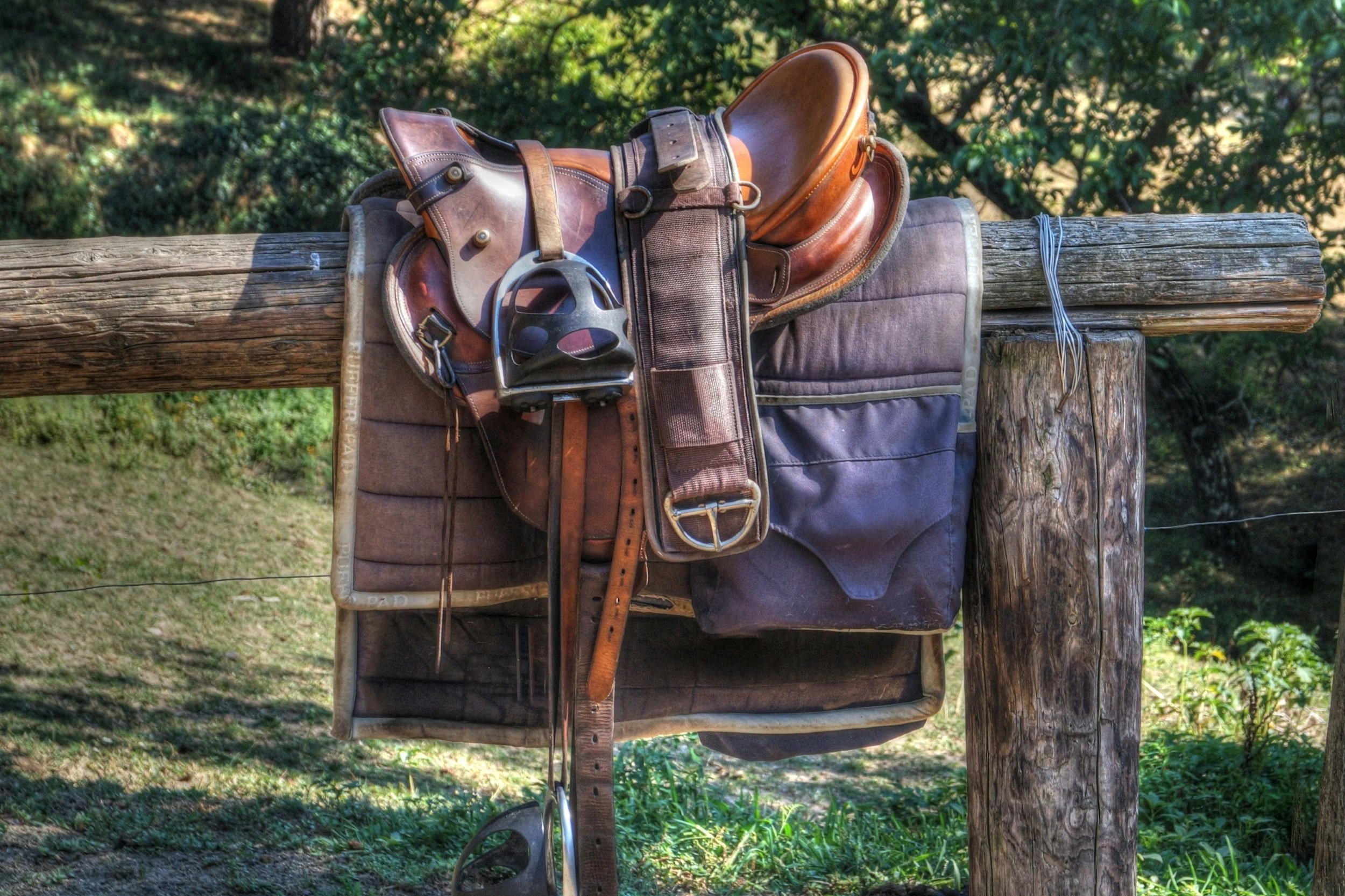
Source: Squarespace/ Unsplash
The Saddle Returns
For nearly two decades, the 4.2 miles of winding, scenic bridle paths in Central Park have belonged almost exclusively to joggers and dog walkers. But as of January 2026, the rhythmic sound of hoofbeats is returning to the park's interior.
Under a new initiative led by Miller’s Horse Co. and supported by the Central Park Conservancy, horseback riding is being restored as a core recreational fixture, reviving a tradition that dates back to Frederick Law Olmsted’s original 1858 “Greensward” plan.
The push to bring riders back to Central Park is a response to years of “equestrian vacancy” following the 2007 closure of the Claremont Riding Academy. While the park’s architecture was specifically designed with separate traffic systems for pedestrians, carriages, and riders, the “Rides”—as the bridle paths are historically known—had largely faded into secondary walking paths.
How to Ride in 2026
For New Yorkers looking to trade the subway for a saddle, the process has become significantly more streamlined:
Guided Trail Rides: Riverdale Stables currently offers guided rides by appointment. These tours typically depart from the North Meadow and follow the historic loops around the Reservoir.
The Cost: Expect to pay approximately $100 to $125 per hour for a guided experience.
Accessibility: New programs, including those led by groups like Chateau Stables, have introduced assisted riding for those with disabilities, ensuring the “equestrian comeback” is inclusive for all park visitors.
The return of horses comes alongside a massive overhaul of Central Park’s circulation system. The NYC Department of Transportation has recently lowered the speed limit on the Park Drives to 15 MPH and implemented new “Shared Lane” markings. These lanes are specifically designed for authorized vehicles, cyclists, and the influx of horse traffic, creating a safer buffer between the soft-surface bridle paths and the high-speed bike loops.
The “Carriage vs. Saddle” Contrast
It is important for our readers to distinguish this movement from the ongoing debate over horse-drawn carriages. While the City Council recently rejected a ban on carriages in November 2025, the “return to the saddle” is viewed differently by many advocates.
Unlike the carriage industry, which navigates heavy traffic on the paved outer loop, recreational riding takes place on the interior dirt paths, offering a more “pastoral” experience that aligns with the park's intended use as a rural escape.