Homelessness In One Of The World’s Richest Cities Is A Crisis Driven By Systemic Failures
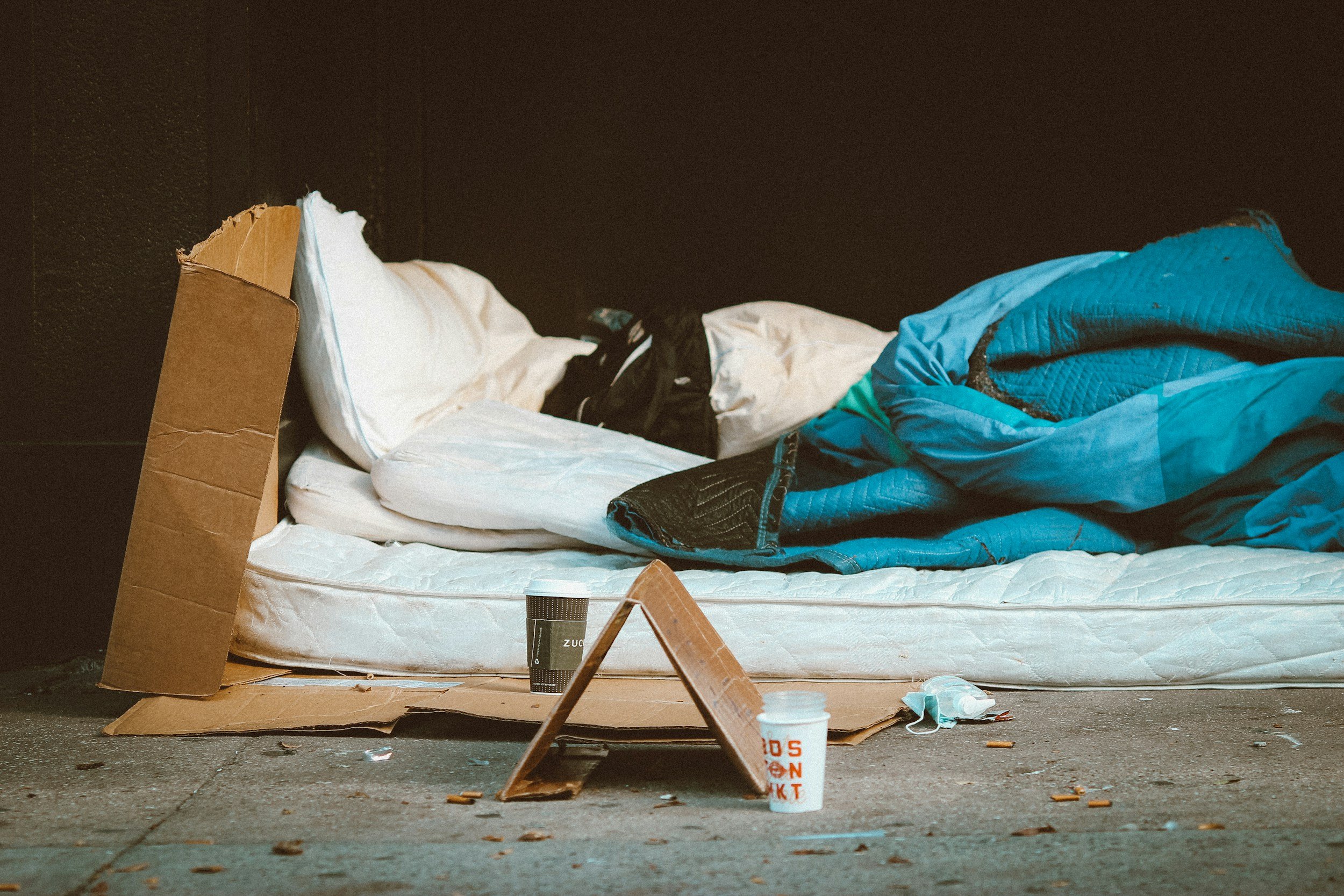
Source: Squarespace/ Unsplash
A Crisis Driven by Economics, Housing, and Systemic Failures
Homelessness in New York City remains one of the city’s most urgent and complex issues. On any given night, tens of thousands of New Yorkers sleep in shelters, on the street, or in unstable housing situations. While the crisis is often reduced to statistics or headlines, at its core are people—families, veterans, young adults, and individuals facing mental health challenges—who have slipped through gaps in the city’s social, economic, and healthcare systems.
The roots of homelessness in NYC aren’t tied to just one factor—they’re the result of overlapping pressures:
Skyrocketing housing costs: Rents continue to rise faster than wages, forcing many families to the brink of eviction. Even middle-class households struggle to keep up, let alone those earning minimum wage.
Insufficient affordable housing: Decades of underbuilding, long waitlists for public housing, and slow development of supportive units have created a severe shortage.
Mental health and substance-use challenges: Many experiencing homelessness aren’t receiving the sustained, accessible treatment they need.
Economic instability: Job loss, medical bills, domestic violence, and lack of a financial safety net push vulnerable people into crisis.
Homelessness in the city isn't just a housing issue—it’s a reflection of structural inequities that demand long-term solutions.
What Can Be Done: Real Steps Toward Real Change
While policy debates dominate the conversation, the day-to-day reality is far more personal. Families with young children make up a significant percentage of NYC’s shelter population. Thousands cycle in and out of unstable housing due to unpredictable income or the inability to secure permanent units. People living unsheltered face constant danger, stigmatization, and limited access to clean bathrooms, food, or medical care. These are not failures of character—they are failures of systems.
Addressing homelessness requires both compassion and policy action. No single measure will solve the crisis, but a coordinated approach can dramatically reduce it.
Expand Affordable, Supportive, and Preventive Housing: Combine affordable housing development, supportive housing with on-site services, and robust eviction-prevention programs. This ensures people not only find homes but avoid losing them in the first place.
Strengthen Mental Health Services and Shelter Conditions: Build a mental-health system that offers continuous care—mobile crisis teams, outpatient treatment, and long-term support—paired with safer, cleaner, more humane shelters that serve as a real bridge to stability.
Create Pathways to Stability Through Employment and Community Engagement: Invest in job training and workforce programs tailored for people facing barriers, and work with local communities to reduce stigma, support new housing projects, and build neighborhood-level solutions.
A Path Forward
Homelessness in NYC is not inevitable. Other cities have dramatically reduced homelessness through focused investment in housing, mental health, and prevention. New York, with its resources and history of resilience, can do the same—if the political will and public empathy align.
Ultimately, reducing homelessness isn’t just about policy. It’s about recognizing the humanity of every person who calls this city home. When New Yorkers embrace compassion, demand smarter solutions, and refuse to accept the crisis as normal, meaningful change becomes possible.