Source: Squarespace/Unsplash
About Ithaca
Ithaca sits roughly 225 miles northwest of New York City, at the southern tip of Cayuga Lake in the Finger Lakes region. The drive takes four to five hours; buses run the same route in about the same time, and both cities have regional airports if you'd rather fly. It's a small city with an outsized personality — two universities, a serious food scene, and more waterfalls per square mile than any place this size has a right to.
The town's unofficial motto — you'll see it on bumper stickers everywhere — is "Ithaca is Gorges," which says a lot about local priorities. The outdoors are the main event: the hills around town are cut through with deep gorges, and the trails run from easy lakeside strolls to steep gorge hikes with real elevation gain. Cayuga Lake itself is good for kayaking and paddleboarding in summer, and the surrounding forests turn properly dramatic in October.
Timing your trip matters. Summer is lake season. October is the foliage crush, when the gorges look their best and the trails are busiest. Winter is quiet, pretty, and very much a locals' town. If you'd rather stay inside, The History Center downtown covers the city's past and its influential residents, and the Herbert F. Johnson Museum of Art up at Cornell holds more than 35,000 works from just about every culture and era you can name. Admission is free, which still feels like a steal.
Downtown Ithaca: A Cultural Haven
Downtown Ithaca runs on a simple formula: local art, good food, and a farmers market that people plan weekends around. The main drag and its side streets are lined with boutiques, galleries, and craft markets selling work by local artists — paintings, prints, jewelry, the kind of stuff you actually want to bring home rather than the usual souvenir-shop filler.
Two downtown institutions are worth knowing by name. The Ithaca Commons is a four-block pedestrian mall — no cars, just brick walkways, buskers, and benches — and it functions as the town's living room. And then there's Moosewood, the vegetarian restaurant that's been here since the seventies and basically wrote the book on the genre, literally; even committed carnivores order the daily specials without complaint. Between the Commons, the restaurants, and the shops, downtown rewards an unhurried afternoon more than a checklist.
The food holds up its end beyond the famous names, too. Farm-to-table is practically the default here rather than a marketing line — the farms are fifteen minutes away, so restaurants cook what's in season because there's no reason not to. You'll also find genuinely good international cooking, the kind that grows up naturally in a college town with students and faculty from everywhere. Between the two, even picky groups eat well here.
The anchor is the Ithaca Farmers Market. It's been running for decades and it shows: rows of produce, baked goods, homemade jams, hand-thrown pottery, and prepared food worth showing up hungry for. Go on a Saturday morning, grab coffee and something fried from a stall, and work your way down the row. It's half grocery run, half social event — and the single most Ithaca thing you can do with a morning.
Source: Squarespace/Unsplash
Explore the Gorges and Waterfalls
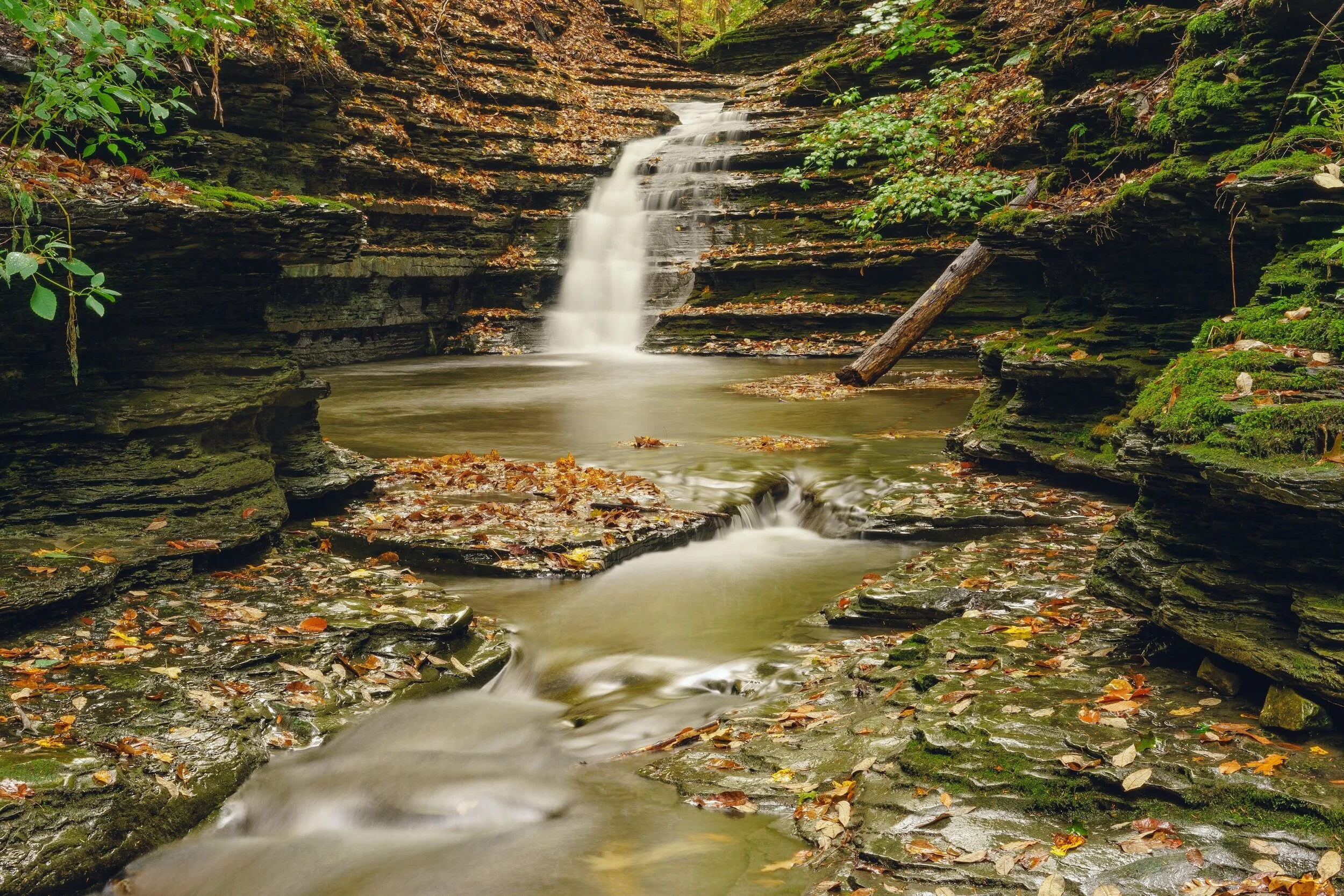
Ithaca calls itself the City of Waterfalls, and for once the nickname undersells it — there are more than 150 waterfalls in and around the city, cut into gorges that drop hundreds of feet through shale and limestone. You don't need to be a serious hiker to see the good stuff; some of the best falls are a short walk from a parking lot.
Robert H. Treman State Park is the heavyweight. The gorge trail follows the water past a string of falls and swimming holes, building to Lucifer Falls, which drops 115 feet in a single pour. Go early on summer weekends — the swimming areas fill up fast. About ten miles north, Taughannock Falls State Park has the showstopper: a 215-foot waterfall, the tallest single drop east of the Rockies, which is genuinely startling the first time you walk up to the overlook. The rim trail gives you the long views; the gorge trail gets you to the base.
Buttermilk Falls is the scrappy one — a series of smaller cascades on a steeper, more demanding trail, with fewer crowds than Treman. The payoff is a string of swimming spots and overlooks that feel earned. Two more worth your time: Cascadilla Gorge Trail cuts right through the Cornell campus, a stone-staircase climb past half a dozen falls that students use as a shortcut — possibly the best commute in American higher education. And Ithaca Falls, right near downtown, is the easy win: a 150-foot cascade you can see without lacing up boots.
One seasonal note: the gorge trails close in winter when ice makes the stone steps dangerous. Plan waterfall season for spring through fall, when the water's actually running. Whichever park you pick, wear shoes with actual grip — the gorge trails are stone steps, and they get dangerously slick after rain.
Source: Squarespace/Unsplash
Discover Cornell University and Ithaca College
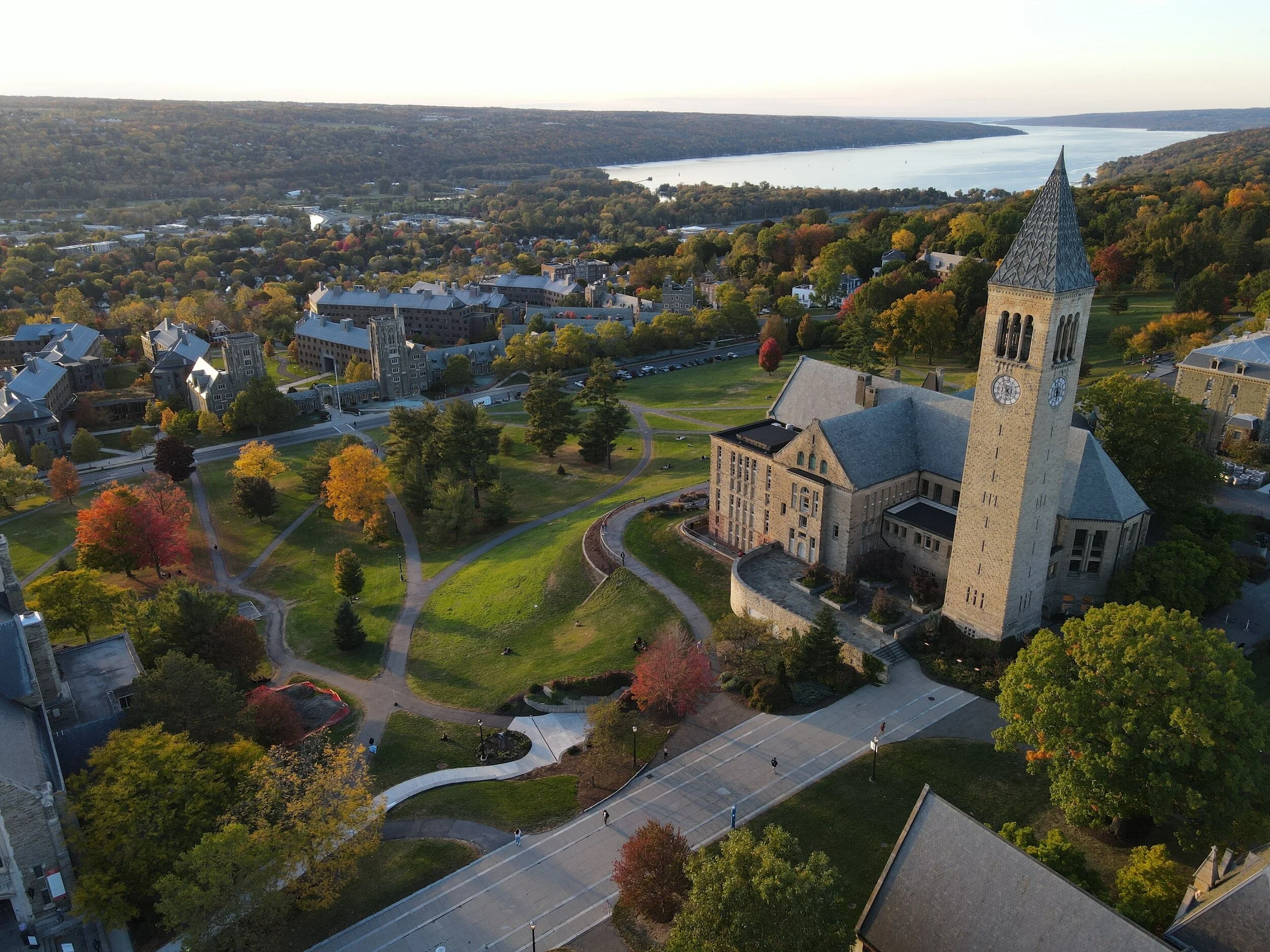
The two campuses set the city's tempo. Cornell sits on the hill above downtown — big, old, Ivy League, with the kind of stone buildings that make every visiting parent take the same photo. Ithaca College is smaller and artsier, perched on South Hill with a view straight down the lake. Between them, tens of thousands of students keep the place young, busy, and opinionated about coffee.
Walk Cornell's Arts Quad on a weekday and you'll get the full effect: the bells ringing from McGraw Tower, students cutting across the grass, the lake glittering below. The Johnson Museum — the concrete I.M. Pei building that looks like it's doing a handstand — holds the 35,000-piece collection, and the top-floor view is worth the trip on its own.
Beyond the quads, Cornell has two spots worth a detour. The Cornell Lab of Ornithology at Sapsucker Woods is a world-class bird research center with trails around a pond — even non-birders end up staying longer than planned. And the Cornell Botanic Gardens spread out along the campus edge with an arboretum, display gardens, and a wildflower meadow that's at its best in late spring. Ithaca College, for its part, is known for music and communications, and its concerts are some of the best cheap nights out in town.
Both schools run public events all year: concerts, plays, lectures, gallery shows, most of them cheap or free. Check the campus calendars before your trip. There's usually something on, and it's the easiest way to feel the city's intellectual streak without enrolling.
Source: Squarespace/Unsplash
Wine and Brew Trail Adventures
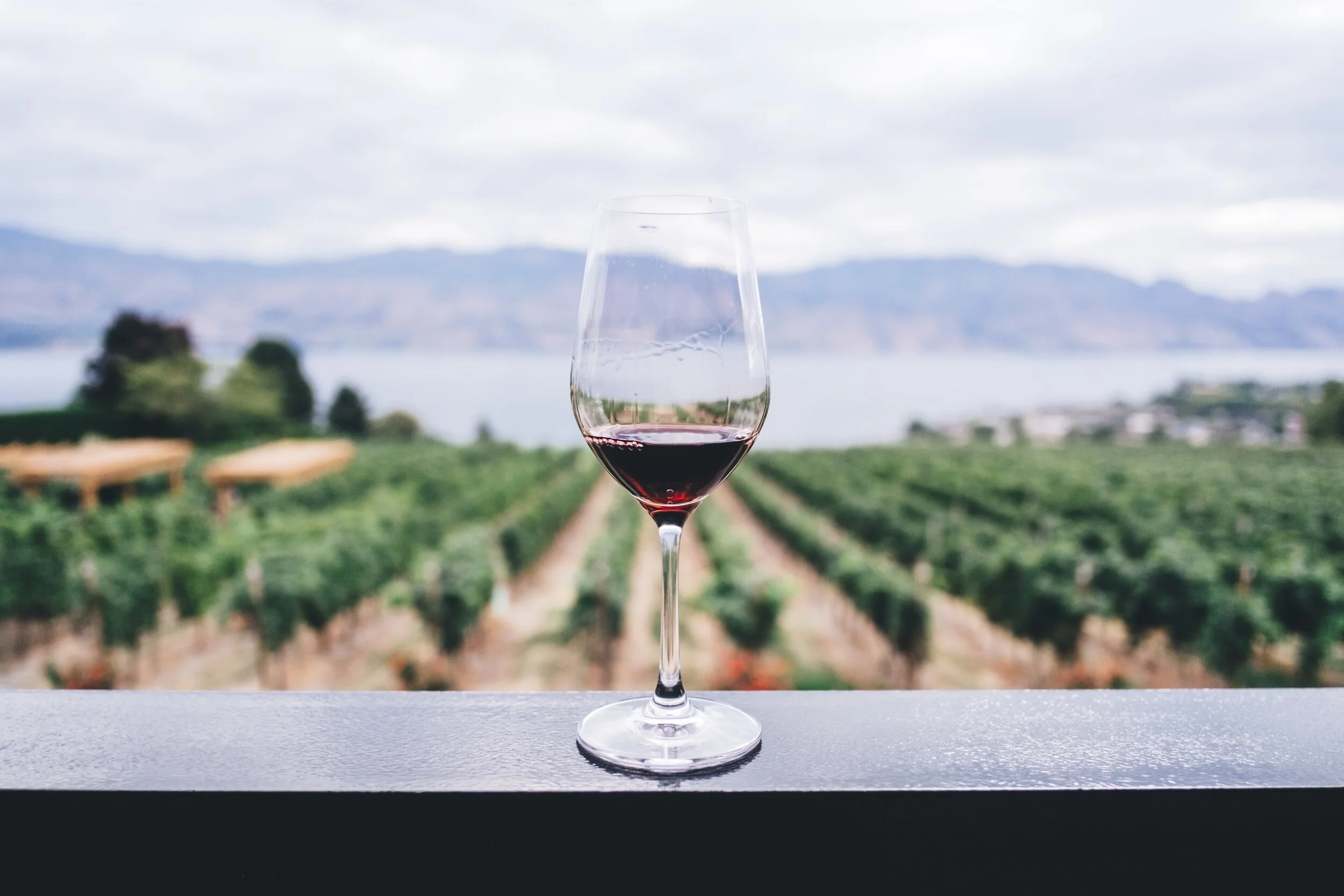
The Finger Lakes are wine country, full stop — and Cayuga Lake is where it started. The Cayuga Lake Wine Trail, the country's first organized wine trail, runs the length of the lake with a dozen-plus wineries, most of them walk-in friendly. The region's signature is Riesling — the cool climate and the lake effect do for it here what they do in Germany — but you'll find solid Chardonnay, Cabernet Franc, and ice wines too. The lake views from the tasting rooms do half the selling.
Timing matters. Fall is harvest season — the vineyards turn gold and red, the tasting rooms are at their liveliest, and the crowds stay manageable on weekdays. Summer is for patios and the lake breeze. Winter means cozier tasting rooms and shorter hours, so check ahead before driving out. If you're doing the full trail, pace yourself and eat along the way; most stops have cheese boards or snacks, and several bring in food trucks on weekends.
Beer people aren't an afterthought either. Breweries are scattered between the vineyards — small rooms pouring IPAs, lagers, and the occasional oddball farmhouse ale, most with patios aimed at the water. A workable day: wine trail in the afternoon, brewery for the last round. Start at the southern end of the lake near Ithaca and work your way north — the views get better as you go, and you'll end up back near town for dinner. One practical note that bears repeating: designate a driver. The lake roads wind, and the tasting pours add up faster than you'd think.
Conclusion
Ithaca works because it doesn't try to be anything else — a small Finger Lakes city with great gorges, two universities, and a food and drink scene that punches well above its weight. Come for a weekend: hike a gorge in the morning, wander the Commons in the afternoon, eat well at night. You'll quickly understand why visitors end up moving here — and why the bumper stickers insist, correctly, that Ithaca is gorges.