New York Tells Data Centers To Get Lost With One Year Moratorium
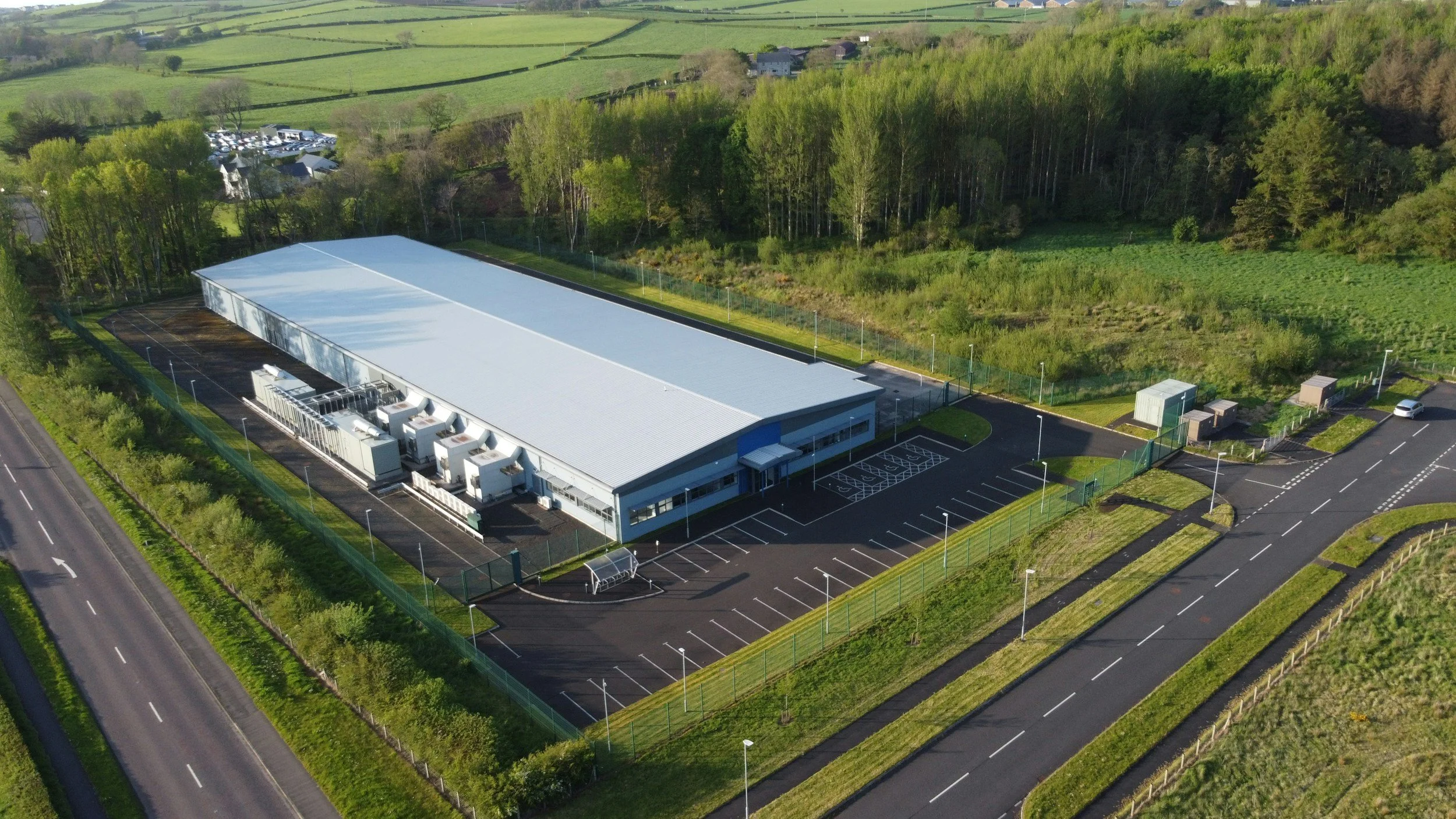
An example of a Datacenter. Source: Squarespace/ Unsplash
What Happens Next?
On Tuesday, July 14, 2026, Governor Kathy Hochul signed an executive order making New York the first state in the country to impose a moratorium on new hyperscale data center construction. It caps months of legislative wrangling, utility-bill anxiety, and grassroots opposition — and it immediately collided with a nearly $20 billion project already underway in Genesee County.
The order pauses New York State environmental permitting for new large-scale data centers for up to a year. During that window:
The Department of Environmental Conservation (DEC) will not issue discretionary permits for data center projects that haven't already been deemed "complete."
The Department of Public Service (DPS) will produce a Generic Environmental Impact Statement (GEIS) — the technical backbone of the moratorium — assessing how data centers affect energy demand, water use and quality, air quality, noise, and disadvantaged communities specifically.
Once the GEIS is finished and the state finalizes its standards, the moratorium lifts and new projects can move forward, provided they meet state rules plus local zoning and other approvals.
The order builds on groundwork Hochul had already laid: her office had directed DPS to open the "Energize NY" proceeding earlier this year, which requires data centers to either pay more for their energy or supply their own power, so the moratorium slots into an existing regulatory track rather than starting from scratch.
Beyond the construction pause, the order directs Empire State Development (ESD) to release a Community Investment Framework within 60 days — essentially a negotiating playbook for local governments, covering community benefit agreements, infrastructure upgrades, child care investment, and labor standards like prevailing wages and project labor agreements. Hochul is also pursuing separate legislation to repeal the state's sales tax exemption for large data centers.
Importantly, the order appears to apply to state environmental permitting — not local government approvals. As the Town of Alabama's supervisor noted the day the order was signed, "the Governor's Executive Order appears to expressly exclude local government approvals from its scope," meaning town-level review processes continue unaffected.
Why Hochul acted now
New York had two paths this year, and Hochul chose the faster one. The state legislature had already passed its own moratorium bill, the Responsible Data Center Development Act, but Hochul's office considered it too complex and in need of further work. Rather than sign or veto it outright, she opted for an executive order that took effect immediately upon signing — sidestepping a longer legislative back-and-forth.
New York already has the fourth-highest electricity rates in the country, and as of April 2026 residents were paying 56% above the national average per kilowatt-hour, according to the Empire Center. The timing also isn't disconnected from politics: Hochul is running for reelection this fall in a race where affordability has become a central issue, alongside competitive congressional contests across the state.
Her Republican opponent, Nassau County Executive Bruce Blakeman, opposes the statewide moratorium, arguing local governments should retain the freedom to negotiate their own data center deals in exchange for economic benefits — a preview of how the issue may play out on the campaign trail.
Ground zero: the Genesee County showdown
The moratorium's most immediate real-world test is playing out in the Town of Alabama, in Genesee County, where Stream Data Centers has proposed a nearly $20 billion facility at the Science, Technology and Advanced Manufacturing Park (STAMP) — one of the largest data center projects in the country. The Genesee County Economic Development Center (GCEDC) has projected the project could generate more than $218 million in local revenue over 20 years.
The project has sharply divided the community:
Opponents, including neighbors Cheryl and Mark Cordes, called the moratorium a step forward but vowed to keep fighting. "Yes, maybe we've won a baby step in Alabama, but we can't give up now," Cheryl Cordes said, describing plans for a protest at Batavia City Center.
The Tonawanda Seneca Nation and the Sierra Club filed a lawsuit just one day before the executive order was signed, challenging an incentive zoning agreement between the Town of Alabama and the GCEDC. A Seneca Nation spokesperson said he hopes the moratorium pause pushes GCEDC to commission its own environmental impact study of the STAMP site — something DEC reportedly requested more than six months ago without success.
Allies of the Tonawanda Seneca Nation welcomed the moratorium in a statement, framing it as validation of overwhelming opposition from GLOW-region residents, while arguing the financial winners of the project would be "Big Tech, Private Equity, and GCEDC — not Genesee County residents."
Stream Data Centers and the GCEDC both said they were still reviewing the order's text and had no immediate comment, including on the pending lawsuit.
Because the moratorium targets state permits rather than local approvals, the STAMP project's town planning board review continues on its existing schedule, with a meeting set for August 3 — meaning the fight over this specific project will keep unfolding in parallel with the statewide policy pause, not be resolved by it.
The bigger picture in New York
New York's move is the most sweeping state-level action yet in a year that's seen more than 300 data-center-related bills introduced nationwide, but most other states have not gone nearly this far — Maine's similar effort was vetoed, Michigan's governor has called a moratorium a non-starter, and most legislation elsewhere has focused on rate design and tax incentives rather than outright pauses. New York is, for now, the outlier that actually pulled the trigger — betting that a one-year pause to build a regulatory framework is worth the risk of chilling a multibillion-dollar investment wave.
What happens next largely depends on two things: how the DEC/DPS environmental review turns out over the coming year, and how the Genesee County litigation and community fight over STAMP resolve — since that project is likely to be the highest-profile real-world proving ground for whether New York's new framework can actually referee disputes like this one once the moratorium lifts.