What It’s Like To Attend An NYC Fashion Shoot
Source: Squarespace/Unsplash
The Center Of Fashion
New York City remains the undisputed epicenter of global fashion because it serves as the ultimate intersection of creative talent and commercial power, housing many fashion company headquarters and prestigious educational institutions like the Fashion Institute of Technology (FIT) and Parsons School of Design.
The city also fuels the fashion industry's economic engine through New York Fashion Week, which consistently generates more annual revenue and cultural influence than any other global fashion capital.
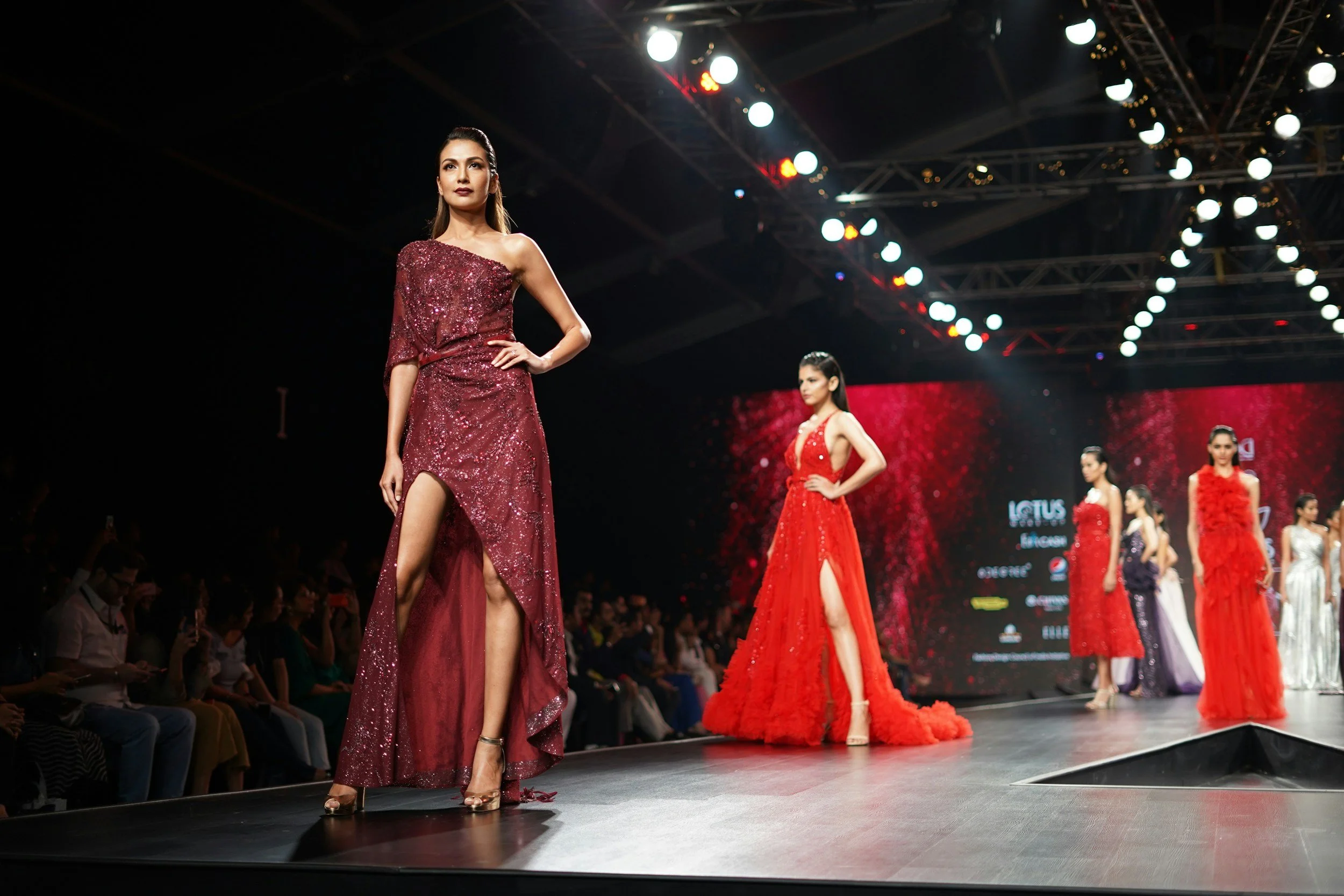
The dazzling lights, the strutting models, and the meticulously curated outfits that grace the runways of New York City's fashion shows create an aura of glamour and luxury. However, the world behind these fashion extravaganzas is often far less glamorous than you might imagine. For many individuals working behind the scenes, especially newcomers to the industry, the harsh reality is that nobody gets paid.
Source: Squarespace/Unsplash
A World of Passion, Not Paychecks
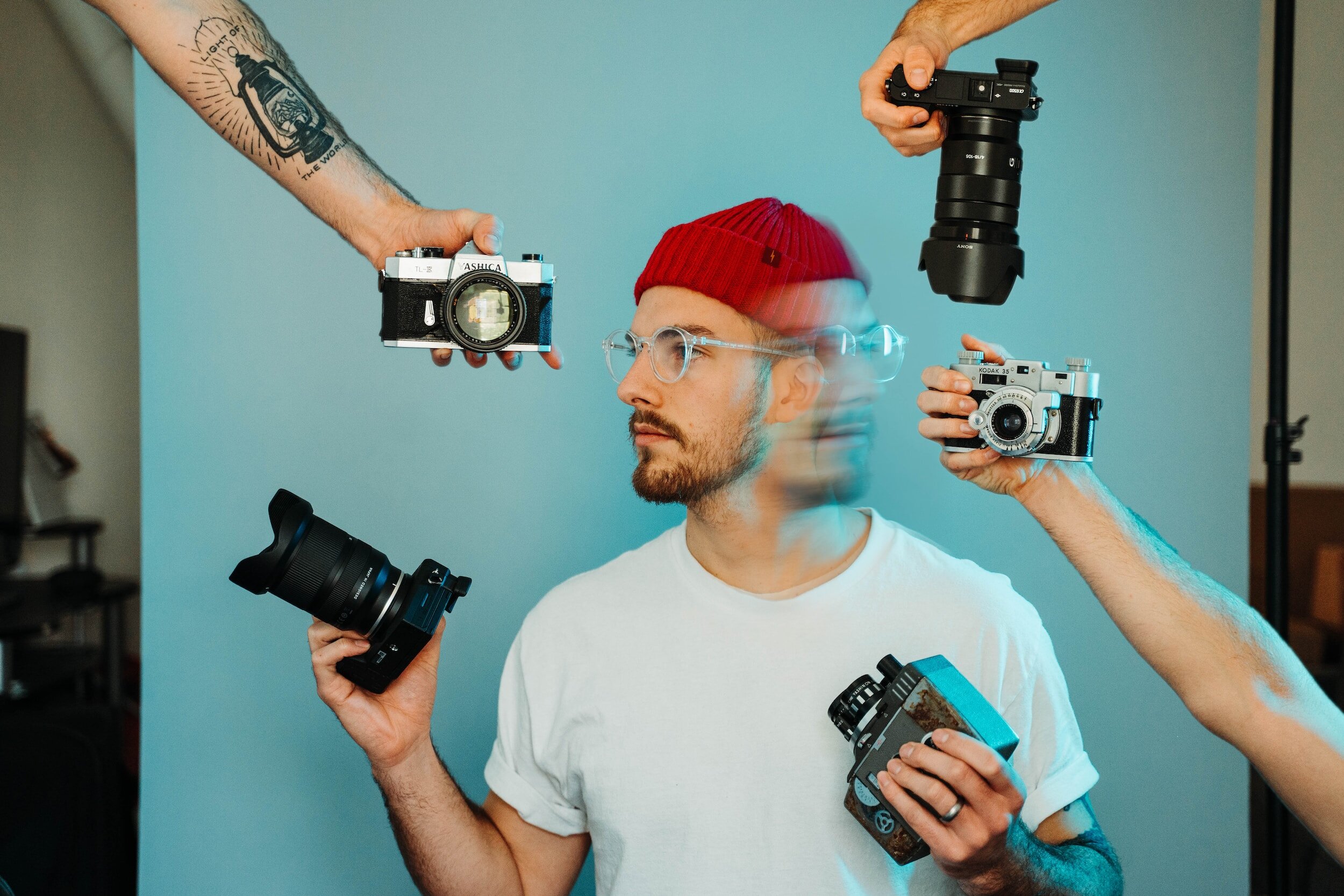
Working at a NYC fashion show is often viewed as a rite of passage, a foot in the door of the fiercely competitive fashion world. While models and designers take center stage, there's a vast crew of unsung heroes who toil endlessly to ensure the show goes off without a hitch. From the backstage dressers to the set builders, public relations staff to photographers, many individuals are eager to gain experience, network, and build their portfolios, even if it means working for free.
This practice has long been a contentious issue, with some arguing that it perpetuates an exploitative culture within the fashion industry. Newcomers, eager to break into the field, may find themselves dedicating long hours and significant energy, often without financial compensation. For them, the chance to network and potentially secure a paid gig in the future is seen as the main allure.
Source: Squarespace/Unsplash
Safety Pins: The Unsung Heroes of Fashion Week
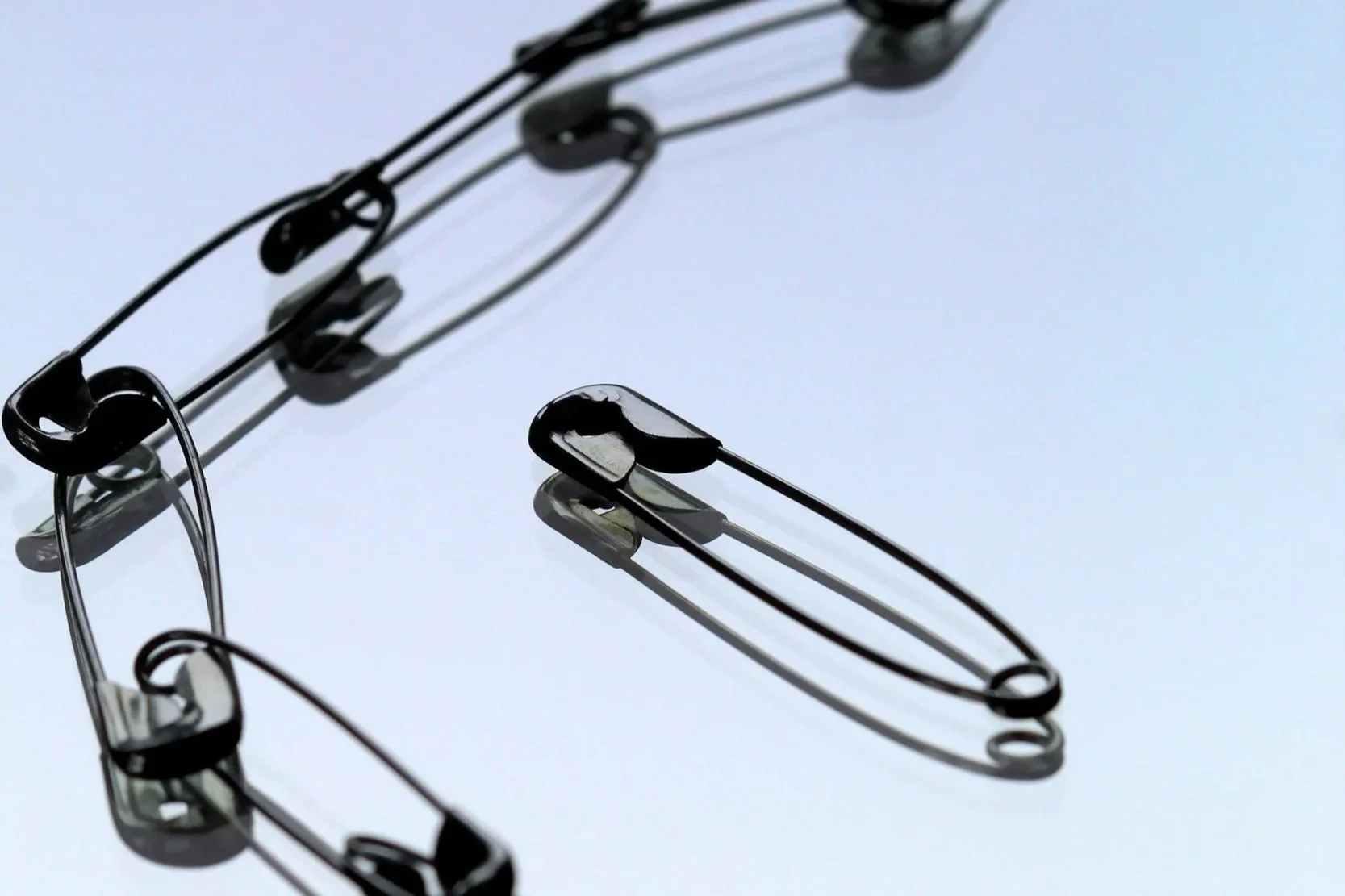
Beneath the glamour and elegance of the fashion world lies a gritty truth: safety pins are an essential part of every fashion show. These humble fasteners, typically used to secure garments in quick-fix emergencies, can be found adorning the most exquisite and expensive couture.
Safety pins and pins more broadly play a crucial role in ensuring the clothing, often borrowed or hastily altered, stays in place on the models as they sashay down the runway or the green screen.
In the chaos of backstage preparations, safety pins become the unsung heroes, swiftly addressing wardrobe malfunctions and saving precious time. They are the embodiment of "the show must go on," allowing models to exude confidence and grace despite the whirlwind of last-minute adjustments.
Source: Squarespace/Unsplash
Unconventional Guests: Animals and Fashion Unite
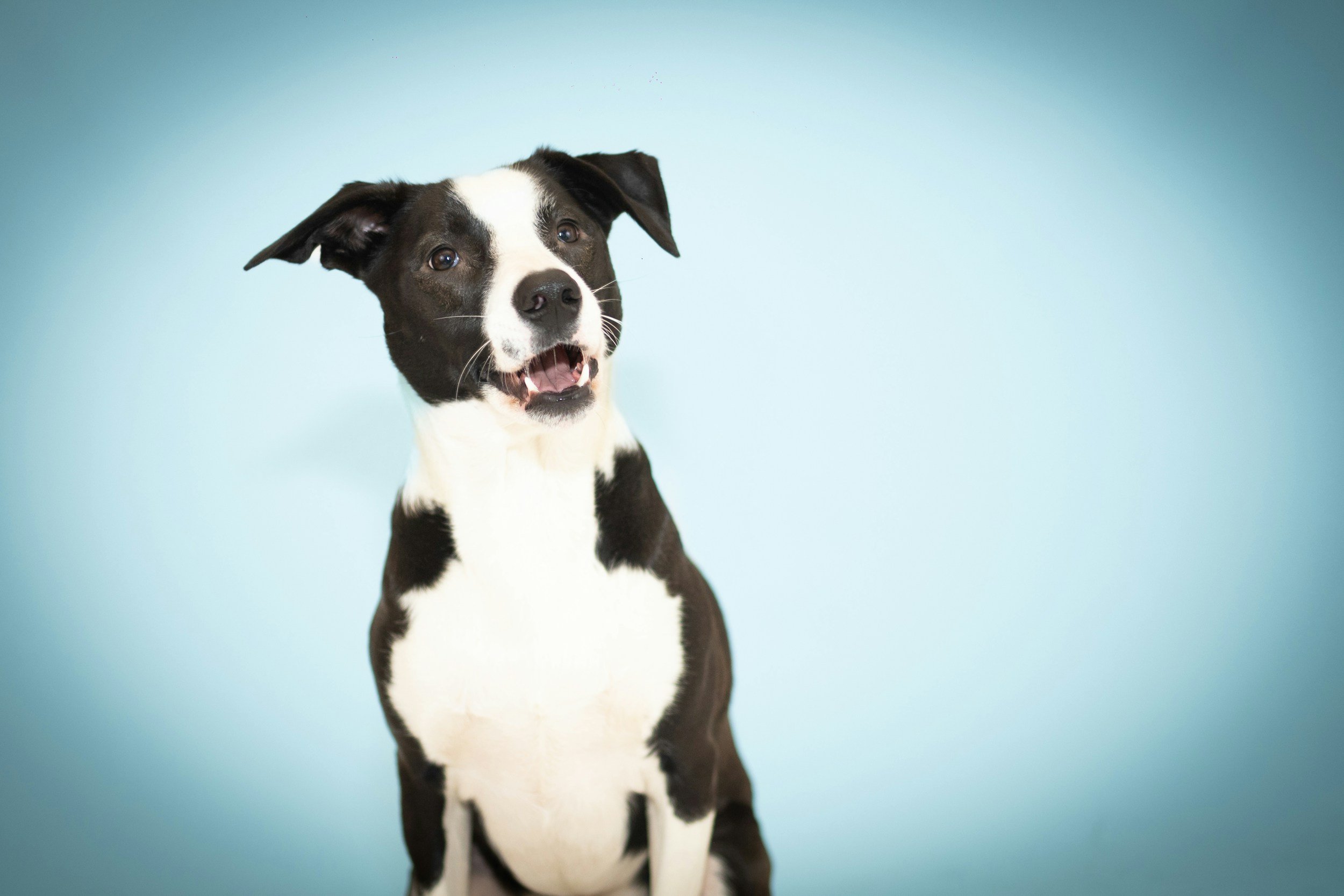
As the world becomes increasingly conscious of ethical and sustainable fashion, some designers take a bold step by incorporating animals into their runway shows. While it may seem unconventional, animals like dogs, cats, and even birds have strutted down catwalks or join photoshoots to complement the narrative of the brand.
Ralph Lauren for example, leverages the horse as its ultimate brand ambassador, weaving the animal into its visual DNA to associate its collections with the prestige, power, and timeless elegance of the aristocratic polo lifestyle. The animal isn’t just a part of the brand’s logo, it is a core part of the brand’s marketing and aesthetic. Many of the photoshoots even occasionally take place at polo matches themselves.
These animal-friendly fashion displays are a response to the growing concern over the treatment of animals in the fashion industry, particularly in fur and leather production. By showcasing the coexistence of fashion and animals, designers aim to raise awareness about cruelty-free alternatives and to advocate for more compassionate choices in the industry.

Source: Squarespace/Unsplash
Catering to Fashion Palates
Fashion shows may revolve around clothing, but they also revolve around food. Catering at these events is often an art in itself, with the cuisine carefully curated to match the show's theme and atmosphere. High-end fashion shows serve as a backdrop for haute cuisine, offering gourmet meals to guests and crew alike.
While the models themselves may not partake in the food, fashion shoots often consist of a long bench of photographers, videographers, set designers, and lighting specialists who all play a role in setting up each scene and shot for the shoot. When the photoshoot’s full team is working through an eight hour day of work, food becomes less of a privilege and more of a necessity.
Food catering in the fashion world also doesn't just serve the practical purpose of nourishing those who work tirelessly behind the scenes; it contributes to the overall aesthetic and experience. It isn’t uncommon for the food to be on brand with the theme of the photoshoot.
Conclusion
In conclusion, working at a New York City fashion show is an endeavor fueled by passion and ambition rather than immediate financial gratification. The fashion industry's underbelly reveals the essential roles of different undervalued tools and methods of working.
It's a world where commitment to the craft, resilience, and dedication take center stage. For those who genuinely believe in the magic of fashion, it's an environment where every safety pin and every morsel of food serves a purpose, contributing to the spectacle that is NYC fashion week.