The Empire City’s Kingdoms: A Complete Guide to the Power Zones That Shape Greater New York
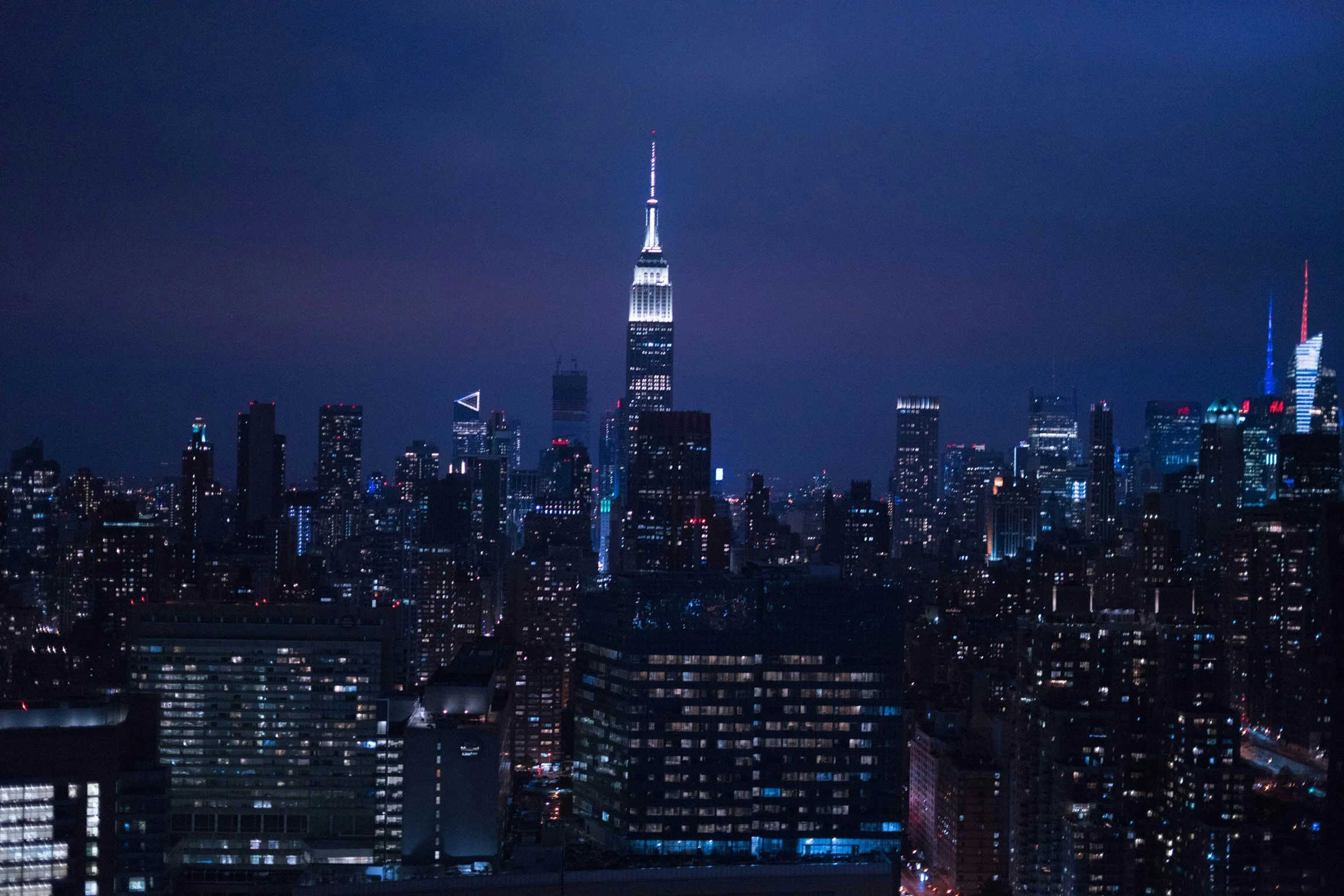
Source: Squarespace/ Unsplash
The Empire City
New York has always been a city of empires. Not just financial or cultural ones, but physical kingdoms—vertical territories defined by glass, steel, money, and influence. Some are crowned by spires, others by statues or domes, but each commands its own dominion in the ever-evolving map of the city.
If Manhattan is the throne, then its surrounding boroughs and satellites are loyal vassals, each with their own power centers and defining architecture. Here's your guide to the city’s modern-day kingdoms—monuments of ambition, capital, and cultural force.
Lower Midtown Manhattan: The Crown of the Skyline
No kingdom shines quite like Midtown, and no two structures define it more than the Empire State Building and the Chrysler Building. The Empire State stands like an undisputed monarch—classic, towering, symbolic of American grit. A few blocks away, the Chrysler Building dazzles with art deco elegance, its spire glinting like a jeweled dagger. Together, these two towers rule Midtown with presence and permanence, anchoring the energy of the city’s business core and reminding everyone that this is the epicenter of old-school power.
Upper Midtown/East Side: The Corporate Court
Venture uptown, and the kingdom takes on a quieter, more calculated tone. On the Upper East Side, money speaks softly but firmly. Here, the BlackRock headquarters and the massive new JPMorgan Chase tower act like fortresses of modern finance, each one casting long shadows over the neatly arranged wealth of the neighborhood. While less flashy than Midtown, these buildings project serious clout. They aren’t meant to impress—they’re meant to assure you they’re in charge.
Lower Manhattan: The Tower of Memory and Might
Downtown, the Freedom Tower rises from the ashes of history, standing both as a tribute and a statement. It’s a kingdom forged in resilience, representing not only economic power but national identity. Around it, the older financial institutions still hold sway, but the Freedom Tower now dominates this part of Manhattan—redefining Lower Manhattan not just as Wall Street’s neighborhood, but as sacred ground turned skyward monument.
Long Island City: The Ascent of Queens
Across the East River, Long Island City is less about one singular tower and more about a skyline in progress. This Queens district has become a cluster of high-rise ambition—a collection of sleek, modern buildings that form a new frontier. No crowned jewel yet, but the sum is beginning to resemble a kingdom in the making. It’s a rising metropolis within the metropolis, home to tech firms, artists, and luxury condos alike.
Downtown Brooklyn: The Civic Citadel
On the other side of the river, Downtown Brooklyn wears its history on its sleeves. Grand courthouses and stately old banks define this district, giving it the feel of a civic capital. The architecture here doesn’t scream modernity—it leans on stone, tradition, and law. It’s the kind of kingdom where justice holds the throne, and time moves a little differently. If Manhattan runs on money, this part of Brooklyn runs on legacy.
Jersey City: The Western Watchtower
Look west across the Hudson and you’ll see a lone sentinel: the Goldman Sachs Tower. It dominates the Jersey City waterfront like a lighthouse of finance, standing tall among a field of smaller structures. It’s both a complement and a contrast to the Manhattan skyline—a reminder that the empire’s reach extends beyond its core, and that serious capital doesn’t always need a New York ZIP code to wield influence.
Columbia University: The Intellectual Fortress
Further uptown in Morningside Heights, Columbia University holds court as the city’s academic kingdom. Surrounded by classical facades, columns, and gates, the campus feels less like a school and more like an institution of ruling knowledge. With ivy-covered buildings and neoclassical flourishes, Columbia projects an air of intellectual sovereignty—guarded, intentional, and immensely powerful in shaping generations.
The Met Cloisters: The Kingdom at the Edge
And then, all the way north, past the buzz and boom of the city, sits a quiet medieval outpost: The Met Cloisters. Tucked away in Fort Tryon Park, this museum feels like a kingdom preserved in time. With stone archways, ancient art, and manicured gardens, it’s as if the city itself pauses here—allowing this distant northern point to function as its own peaceful realm. Less a power center, more a spiritual refuge. But in its stillness, it rules in a different way.
Conclusion: A City of Realms
New York isn’t one empire. It’s a collection of kingdoms—each with its own character, architecture, and influence. From the steel pinnacles of Midtown to the quiet reverence of the Cloisters, the Empire City is more than just a name. It’s a layered map of dominions—financial, cultural, civic, and academic—each rising toward the sky in its own language of power.