Where Legacy Meets Luxury: The Best Fine Jewelry Brands That Define Elegance
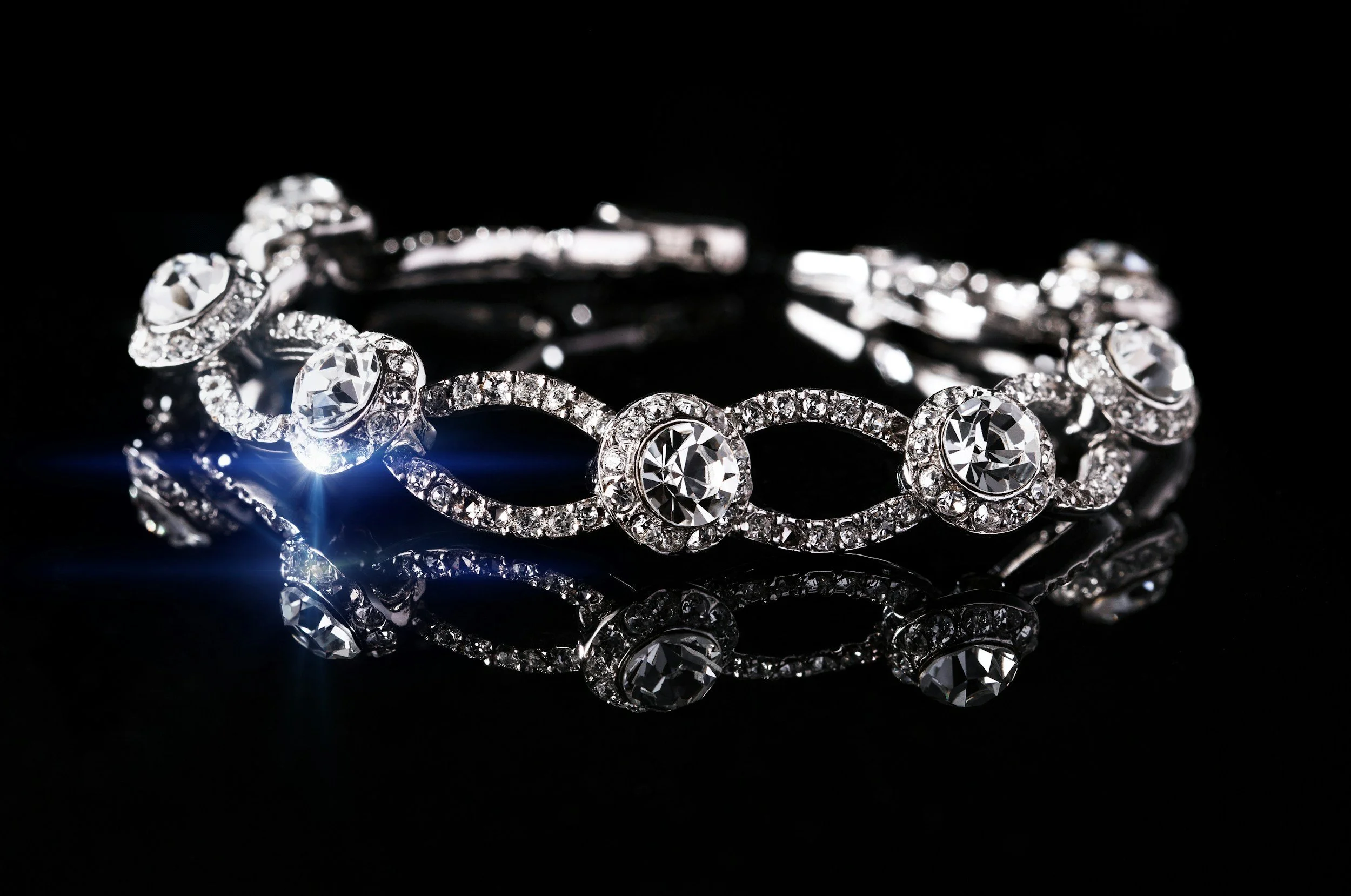
Source: Squarespace/ Unsplash
Where Legacy Meets Luxury
Fine jewelry refers specifically to pieces made from precious metals (like gold, platinum, or high-grade silver) and genuine gemstones (such as diamonds, sapphires, emeralds, rubies). It’s defined by craftsmanship, materials, and longevity. Fine jewelry is meant to last generations—it can be worn regularly, repaired, resized, passed down, and often appreciates in value.
Regular expensive jewelry, on the other hand, might look luxurious and still cost thousands, but it’s not necessarily made from the same high-caliber materials. For example, it could be made with gold plating instead of solid gold, or use lab-created or semi-precious stones instead of natural, mined gemstones. Sometimes you're paying for the brand name, trendiness, or design rather than intrinsic material value.
Think of it this way: fine jewelry is the investment piece. Regular expensive jewelry is the statement piece. One holds its value over time—the other makes a splash in the moment. While countless brands have tried to break into the world of high-end jewelry, only a select few stand as pillars of timeless luxury.
Graff: The King of Diamonds
Graff has earned its reputation as a top luxury brand through an uncompromising devotion to the world’s most significant diamonds. Founded by Laurence Graff in 1960, the house is unique because it oversees every stage of a diamond's life cycle, from sourcing rough stones directly from mines to the final polish in their London atelier. This level of control allows Graff to produce pieces with a clarity and scale that few other brands can match, often specializing in rare yellow diamonds and D-flawless stones.
For New Yorkers seeking a legacy piece, Graff remains the ultimate symbol of prestige, offering a classic elegance that emphasizes the natural brilliance of the stone over the complexity of the metalwork.
Source: Squarespace/ Unsplash
Cartier: The Crown Jewel of Sophistication
Few names carry the weight and allure of Cartier. Founded in Paris in 1847, Cartier is synonymous with old-world glamour and innovation in design.
From the legendary panther motif to the enduring Love bracelet, Cartier creates pieces that are as culturally iconic as they are beautifully made.
Royal families, Hollywood legends, and modern tastemakers alike have all adorned themselves in Cartier, but the brand’s appeal goes beyond celebrity. Every Cartier piece feels deliberate, architectural, and bold without being ostentatious. Whether it’s the clean geometry of Art Deco designs or the fluidity of contemporary forms, Cartier has a way of being current while still anchored in its history.
Bayco: The Quiet Power of the One-Of-A-Kind
While not as universally known as its counterparts, Bayco operates in an entirely different league—one of exclusivity, rarity, and exquisite gemstones. A family-run house with roots in Italy and deep ties to Persian heritage, Bayco is a name that circulates among serious collectors and connoisseurs.
What sets Bayco apart is its singular focus on sourcing the world’s finest, most vibrant stones—Kashmir sapphires, Burmese rubies, Colombian emeralds—and building masterpieces around them. Each piece is unique, often centered on a single show-stopping gem. There’s no mass production here, just generations of gem expertise and a commitment to excellence. Bayco doesn’t need to chase trends; it deals in timelessness.
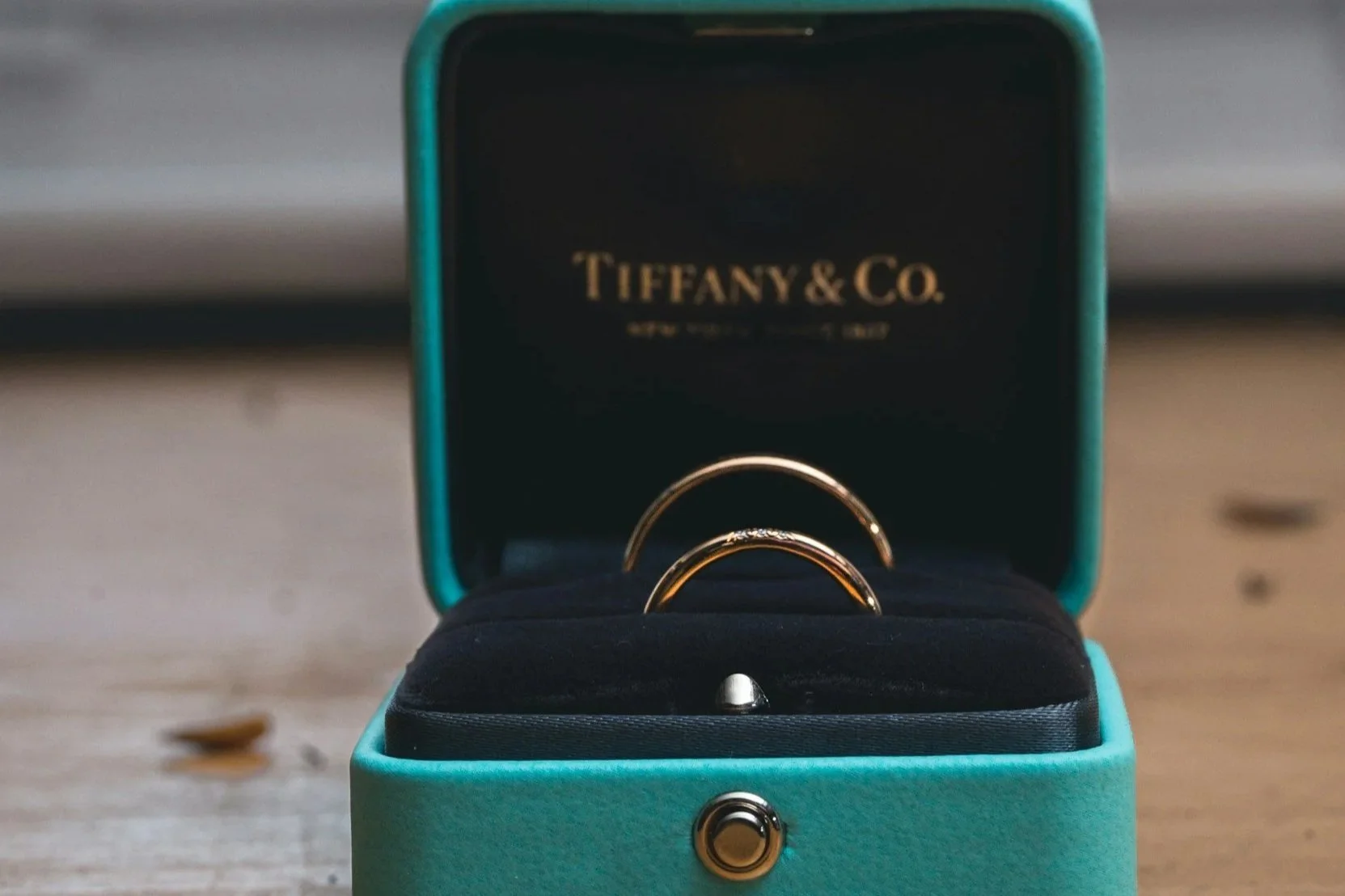
Source: Squarespace/ Unsplash
Tiffany & Co.: The American Icon
With its robin’s-egg blue box and Fifth Avenue flagship, Tiffany & Co. is more than a jewelry brand—it’s a piece of American cultural history.
Founded in 1837, Tiffany has become a symbol of romance, aspiration, and New York elegance. Its aesthetic is classic and clean, yet always evolving.
Tiffany was among the first to popularize the six-prong diamond solitaire setting, a design still widely used today. Its legendary designers—from Jean Schlumberger to Elsa Peretti—have pushed boundaries while keeping the house’s DNA intact. And now, under the LVMH umbrella, Tiffany is undergoing a modern renaissance, reasserting its relevance with bold campaigns, celebrity collaborations, and fresh design language.
Glenn Spiro: The Master of Innovation
Glenn Spiro, often operating under the moniker "G," is considered a top luxury brand due to its exclusivity and radical creativity. Unlike the global boutiques of larger houses, Spiro works out of a private, appointment-only atelier in London (formerly the studio of royal couturier Sir Norman Hartnell), catering to an elite circle of collectors and celebrities like Beyoncé. His brand is defined by a "stones-first" philosophy where the gem dictates the design, often resulting in architectural, one-of-a-kind masterpieces.
By blending ultra-rare stones with modern materials like carbon fiber or heat-treated titanium—which can be colored to perfectly match a gem’s hue—Spiro creates jewelry that feels both ancient and futuristic, making it a favorite for our readers who value individuality over traditional branding.
Multiple Visions, One Standard of Luxury
In a world of fleeting trends, these brands remain the standard bearers of fine jewelry, reminding us that true luxury isn’t just about sparkle—it’s about soul, legacy, and the stories we carry with us in what we choose to wear.