NYC Gripped by Historic Freeze & Snowfall This Winter
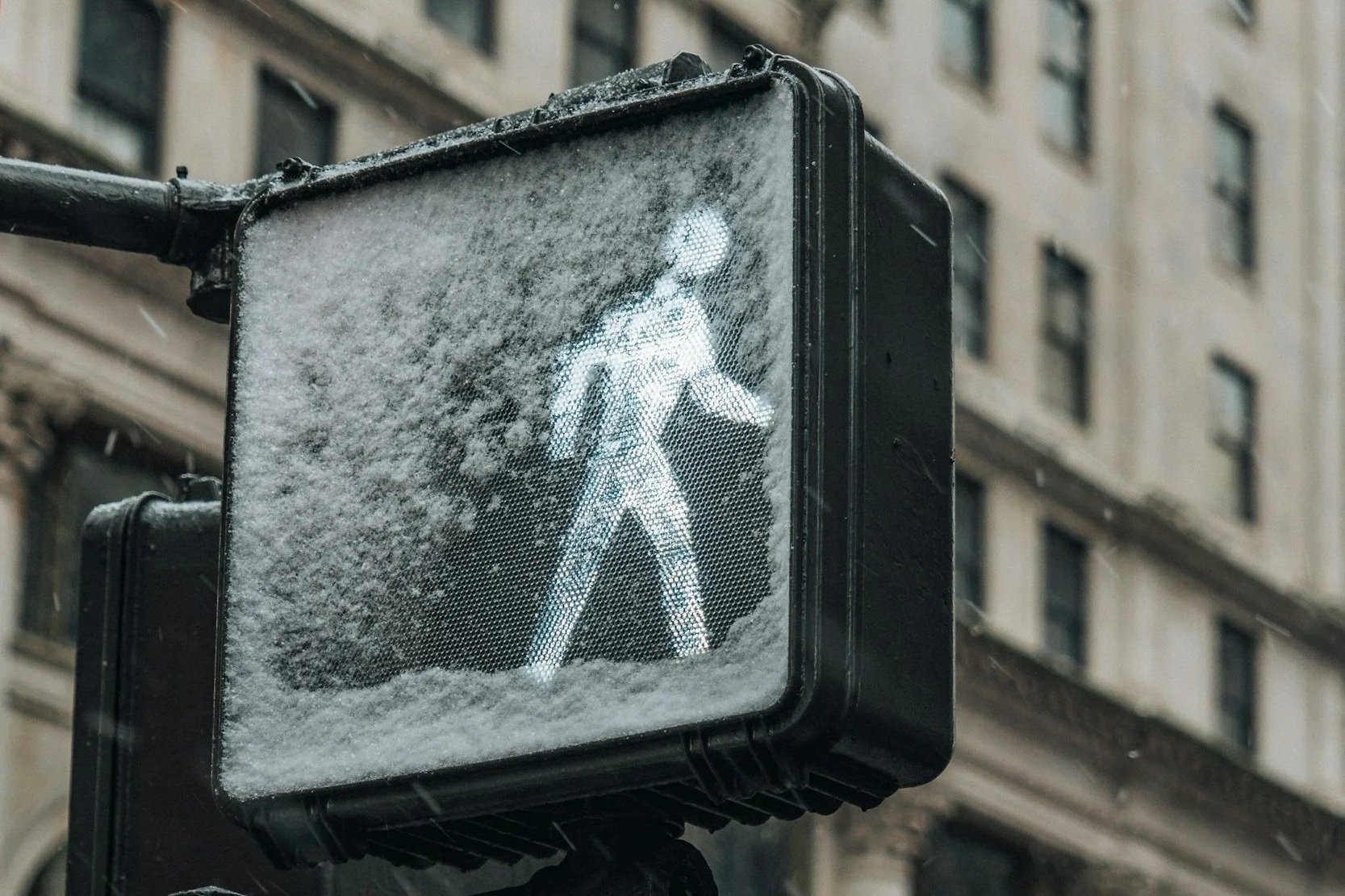
Source: Squarespace/ Unsplash
NYC Gripped by Historic Freeze
New York City is currently at the tail end of a historic cold snap that has claimed the lives of at least 18 New Yorkers. As of February, the city experienced one of its longest stretches of subzero temperatures since 1961, with "feel like" temperatures plummeting as low as -20°F due to severe wind chills.
Mayor Zohran Mamdani has warned that the city may be witnessing the longest period of consecutive sub-freezing weather in its recorded history. “To those who may consider themselves more comfortable on the streets, I want to speak directly to you,” he said. “Come inside. These temperatures are too low and too dangerous to survive.”
The fatalities, which have occurred across all five boroughs, include an 81-year-old Brooklyn man who tragically slipped on ice and a victim recently discovered in the Bronx. According to the Office of the Chief Medical Examiner, hypothermia has been a primary factor in the majority of these deaths.
In response, the city has been under a Code Blue emergency since January 19. This declaration mandates that no one be denied access to a shelter and has resulted in over 1,000 placements into safe havens and warming centers.
In addition to the freezing weather the city ha seen record levels of snowfall. As the ice and snow from the last storm just nearly finished melting, a new blizzard is hitting NYC on 2/22.
Essential Safety Guide for New Yorkers
With the arctic blast and snowfall showing little signs of immediate relief, staying informed and prepared is vital for our readers. Use the following guidelines to protect yourself and your neighbors.
Dressing for the Elements
Layer Up: Wear multiple layers of loose-fitting clothing. Use wool or synthetic fabrics (like polyester) as base layers; avoid cotton, which traps moisture and chills the body.
Protect Extremities: Wear a hat, scarf, and insulated gloves or mittens. A significant amount of body heat is lost through the head.
Stay Dry: Wet clothing loses its insulating value. If your clothes get damp from snow or sweat, change into dry garments immediately.
Home Safety and Heating
Never Use Ovens for Heat: Using a gas oven or stove to heat your home can lead to fatal carbon monoxide poisoning.
Space Heater Caution: Keep electric space heaters at least three feet away from flammable materials like curtains or bedding. Never leave them unattended.
Prevent Frozen Pipes: Open cabinet doors under sinks to allow warmer air to reach uninsulated pipes.
Health and Community Vigilance
Know the Signs of Hypothermia: Watch for intense shivering, confusion, fumbled movements, and slurred speech. If you suspect hypothermia, call 911 immediately.
Check on Neighbors: Take a moment to check on elderly neighbors or those with disabilities who may need assistance with groceries or heating issues.
Report Heat Issues: If your building is without heat or hot water and your landlord is unresponsive, call 311 or use the NYC311 app to report the violation.