Former President Nicolás Maduro Arraigned in Manhattan Federal Court
Source: Squarespace/ Unsplash
Background
The streets of Lower Manhattan and Sunset Park, Brooklyn, became the epicenter of a global firestorm this week as deposed Venezuelan leader Nicolás Maduro made his first appearance in a United States federal courtroom.
Following a stunning pre-dawn military raid in Caracas on January 3, 2026, dubbed "Operation Absolute Resolve," Maduro and his wife, Cilia Flores, were extracted by U.S. Special Forces and flown directly to New York City.
The pair spent their first nights in American custody at the Metropolitan Detention Center (MDC) in Brooklyn before being whisked across the East River in a heavily armed convoy for their arraignment on Monday.
Inside the Daniel Patrick Moynihan United States Courthouse, the atmosphere was surreal as Maduro, clad in a blue jail uniform, addressed U.S. District Judge Alvin Hellerstein through a Spanish interpreter. The 25-page indictment accuses Maduro of conspiring with drug trafficking organizations to use cocaine as a weapon against the United States. Despite the weight of the charges—including narco-terrorism, cocaine importation, and weapons possession—Maduro remained defiant, declaring himself the constitutional president of Venezuela and claiming he had been kidnapped by the American government. Judge Hellerstein cut the former leader short, noting that the legality of his capture would be debated in future proceedings, but for now, the court would focus on the criminal charges at hand.
Source: Bluesky
Reactions To The Situation
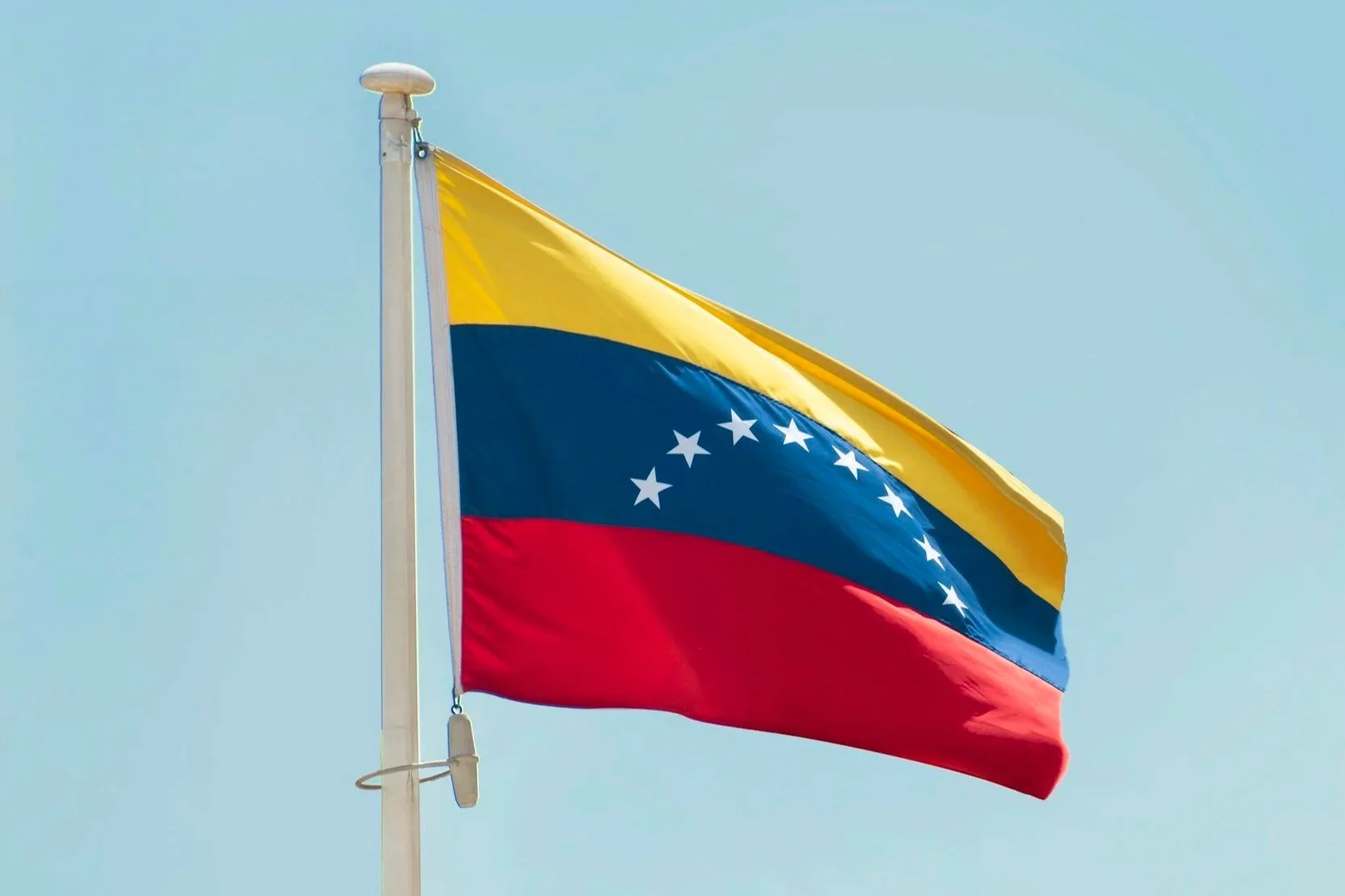
The scene outside the courthouse was just as intense, reflecting the deep divide within the city’s Venezuelan diaspora. In Foley Square, hundreds gathered in freezing temperatures, with some protesters waving Venezuelan flags in celebration of Maduro’s removal. For many Brooklyn and Queens residents who fled the South American nation’s economic collapse, the sight of Maduro in handcuffs represented a long-awaited moment of justice.
Conversely, other groups gathered to denounce the operation as a violation of international law, raising concerns about the precedent of seizing a foreign head of state by military force.
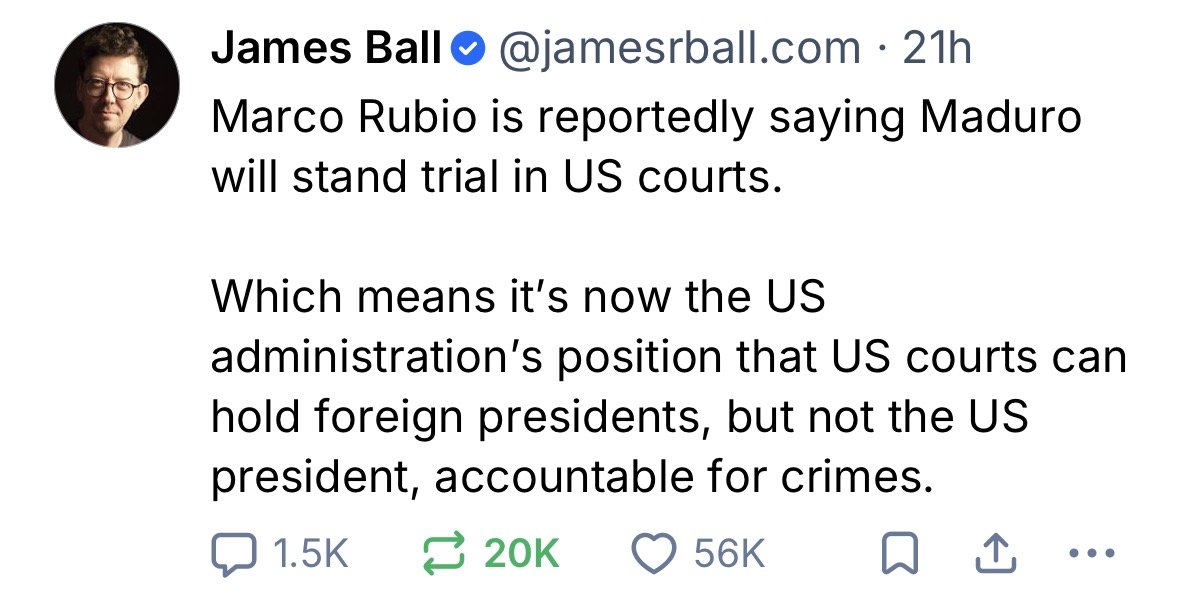
Online commentators and political scientists have also highlighted the stark hypocrisy that in the U.S., foreign presidents can be held in accountable in American courts but the U.S. president can’t. This hypocrisy is a sign of corruption because it creates a two-tiered system of justice where legal accountability is treated as a selective weapon of foreign policy allowing domestic leaders to exercise power without the deterrent of criminal prosecution that they impose on their international counterparts.
What’s Next?
With the Trump administration announcing that the U.S. will effectively oversee Venezuela's transition and oil infrastructure for the time being, New York is no longer just a media hub for this story—it is the official venue for one of the most consequential international legal battles in modern history. The Empire City Wire will continue to monitor the local impact of this case, from the heightened security around federal facilities to the ongoing protests in our neighborhoods.