How to Survive Jury Duty: A New Yorker’s Guide to Making It Through
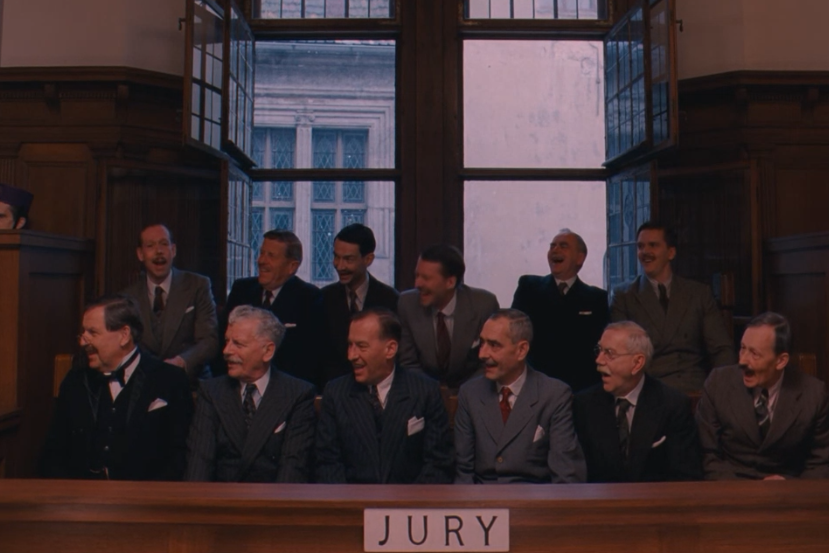
A still shot of a jury during a trial from Wes Anderson’s “The Grand Budapest Hotel.”
What Is Jury Duty?
Jury duty is one of those civic responsibilities that feels both noble and mildly inconvenient. You know it’s important — the justice system literally depends on ordinary citizens showing up — but that doesn’t make spending hours in a windowless waiting room any easier. Still, it’s a cornerstone of democracy: our courts rely on jurors to keep the process fair, impartial, and grounded in community values rather than government power.
You’re also legally required to show up for jury duty, which means it’s not something you can just skip or ignore. Think of it as a temporary civic job — one that might not be exciting, but carries real responsibility. For a few days (or sometimes longer), your presence is part of what keeps the justice system moving. Just like any 9-to-5, you’re expected to arrive on time, follow directions, and contribute when called upon.
Whether you’re a first-timer or a seasoned juror summoned yet again, approaching jury duty with preparation — and maybe a sense of humor — can make the whole experience far more bearable. Here’s how to get through it with your sanity (and maybe even a little dignity) intact.
1. Prepare Like You’re Going on a Long Flight
Bring everything you’d want for a day stuck in an airport terminal: snacks, a water bottle, headphones, a phone charger, and something to read that isn’t your phone. Most courthouses have patchy Wi-Fi and limited outlets, so come prepared to entertain yourself offline. A good book, crossword puzzle, or downloaded playlist can make the waiting time fly by.
There’s something almost meditative about jury duty once you accept it. You’re disconnected from your normal schedule, surrounded by strangers, and asked to focus on one thing at a time. Treat it like a forced digital detox. Use the downtime to think, read, or catch up on writing. Some people even find it refreshing once they let go of the frustration.
2. Dress for Comfort (But Keep It Respectful)
You don’t need to dress like you’re arguing a Supreme Court case, but sweatpants might not be your best move either. Courthouses can be cold, so bring layers. Think “business casual meets long-haul flight”: clean jeans, a sweater, and shoes you can walk in. You’ll thank yourself if you end up sitting for hours or trekking between courtrooms.
3. Timing Is Everything
Show up early, but don’t rush to judgment (pun intended). The first day is usually the longest — filled with instructions, paperwork, and long pauses while staff organize jurors into groups. Expect to spend more time waiting than doing anything else. Bring patience; the process moves at the pace of bureaucracy, not Netflix.
If your summons falls at an impossible time — say you have travel plans, work deadlines, or caregiving duties — most courts allow you to postpone your service once, usually for up to six months. You’ll still have to serve eventually, but rescheduling can make the experience far less stressful. Just be sure to request the postponement by the deadline listed on your summons; once you’ve committed to a date, the court expects you to show up.
4. Stay Neutral and Polite
When you’re questioned during voir dire (jury selection), honesty and calmness go a long way. You’re not there to perform or to “get out” dramatically — judges and lawyers can spot that a mile away. If you have legitimate reasons you can’t serve, say so respectfully. Otherwise, stay composed and remember that your answers help ensure a fair trial for everyone involved.
5. Respect the Process
As tedious as it can feel, jury duty is one of the few direct ways citizens can participate in democracy beyond voting. The courts rely on ordinary people — not just lawyers and judges — to uphold fairness and accountability. Remember that your presence, even if you’re not selected, keeps the system functioning.
Once you’re dismissed, you’ll get a certificate of service — the adult equivalent of a gold star. You’ve done your civic duty. Treat yourself to a nice coffee, a long walk, or a meal somewhere nearby. You’ve earned it.
Final Thought
Surviving jury duty is all about mindset. Go in expecting a long, bureaucratic experience, but also a small window into how democracy actually works. It’s not glamorous, but it’s real — and for a few days, you get to play a quiet but crucial role in the machinery of justice.