From The Empire City To The Empire Of The Sun: A New Yorker’s Guide To Visiting Egypt
Source: The Empire City Wire
The Journey
Exploring the cradle of civilization is a dream for many, but the reality of a trip to Egypt involves a mix of ancient awe and modern logistical patience. From the comfort of a lie-flat bed over the Atlantic to the smoggy mornings of Cairo, here is what you actually need to know before booking your flight to the land of the Pharaohs.
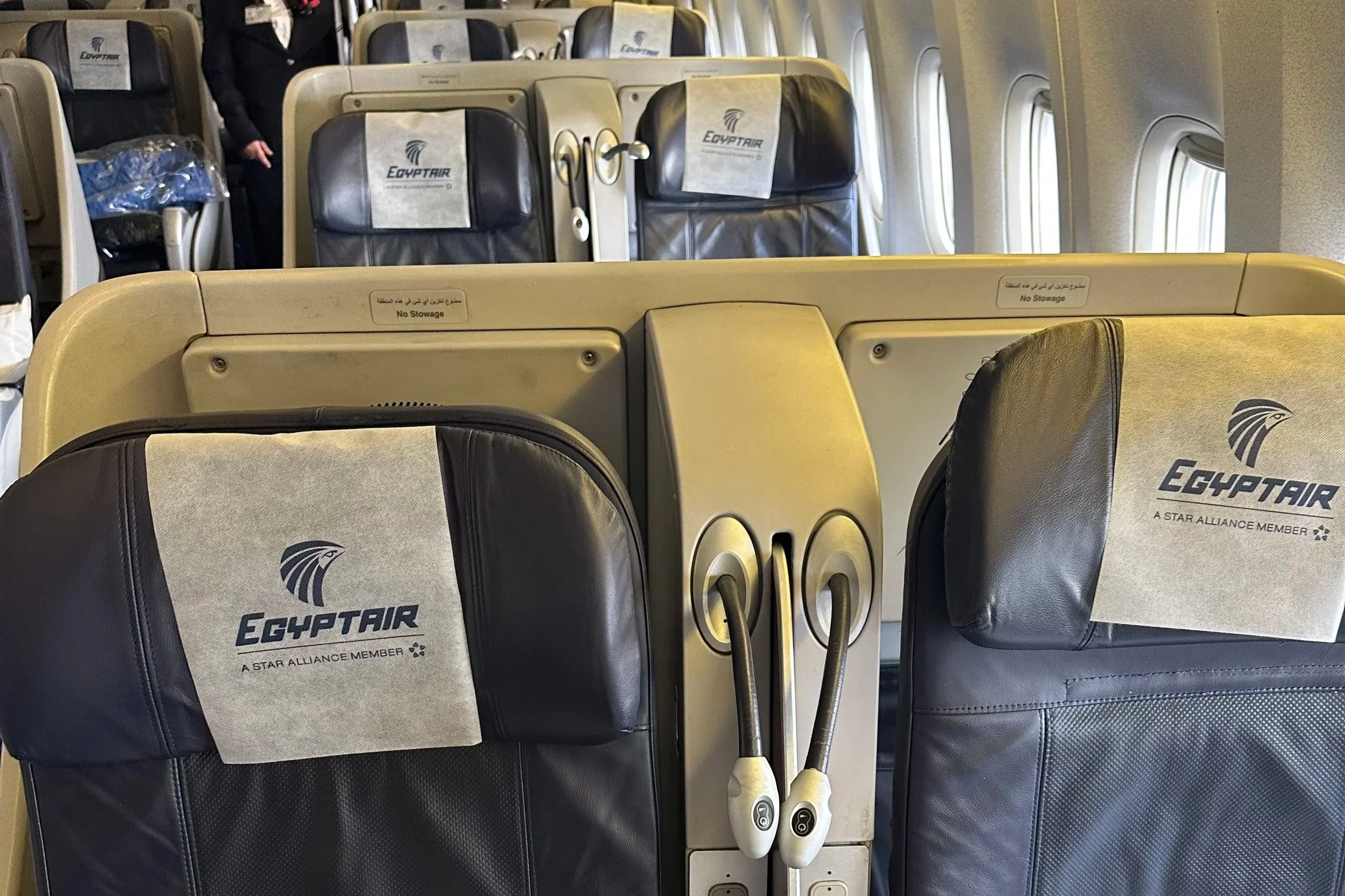
For New Yorkers, the direct leap from JFK to Cairo often means boarding EgyptAir, the only airline that offers direct flights from JFK to Cairo. EgyptAir offers a service that is a study in contrasts. While the airline is famously "dry" (no alcohol is served on board), the hospitality is very warm.
The Comfort: If you are flying first or business class, the beds are a highlight—they recline fully into a true lie-flat position, making the long haul across the ocean genuinely restful. The meals are also very high quality and are worth taking advantage of.
The Cabin: You’ll have a personal TV for entertainment, but don’t plan on catching up on emails; there is currently no WiFi on board.
The Winter Atlantic: Be prepared for a bumpy ride. Flying during the winter months often involves significant turbulence over the Atlantic due to the cold air masses; it isn’t uncommon to feel the plane pushing through what feels like a literal mid-air blizzard.
Pro Tip: Beware the “EgyptAir Delay.” The airline is notorious for scheduling what feels more like a suggestion than a commitment. We’ve heard many stories from our contributors about delays that have ranged from 2 to even 8 hours. We recommend avoiding transfers at all costs—stick to direct flights to minimize the risk of being stranded due to a delay.
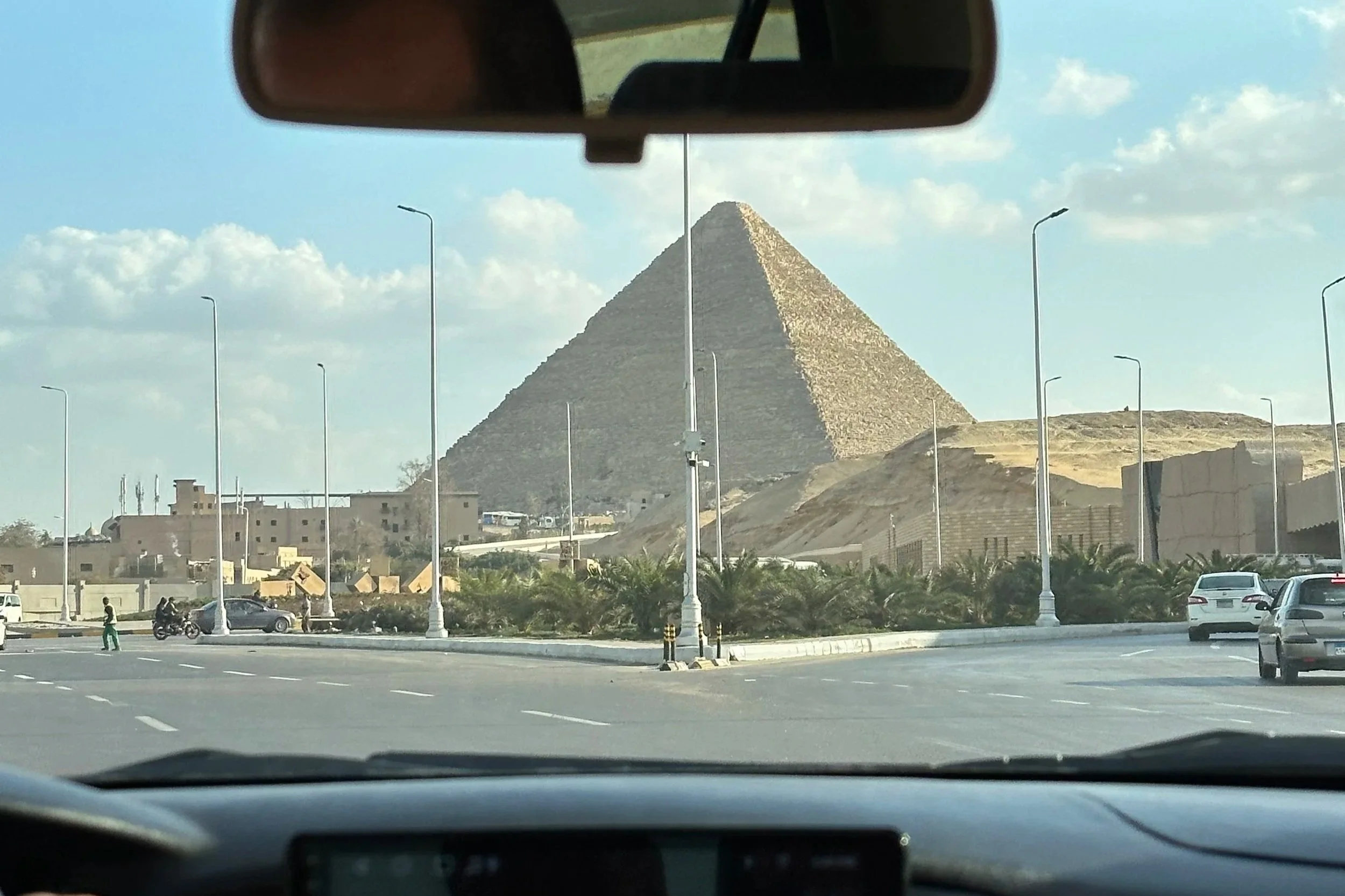
Driving around Egypt is also quite an experience, especially Cairo, which is famously chaotic, requiring assertive, defensive driving with constant horn use as lanes blur and rules bend. While the local driving culture is chaotic, Egypt’s roads are remarkably smooth and show little of the wear and tear common in Western nations.
The desert climate provides a natural advantage, as the absence of freezing temperatures, snow, and corrosive road salt prevents the "freeze-thaw" cycles that typically create potholes and cracks. This environmental edge, combined with recent national infrastructure investments, ensures that the asphalt remains pristine and well-maintained even under high-speed traffic.
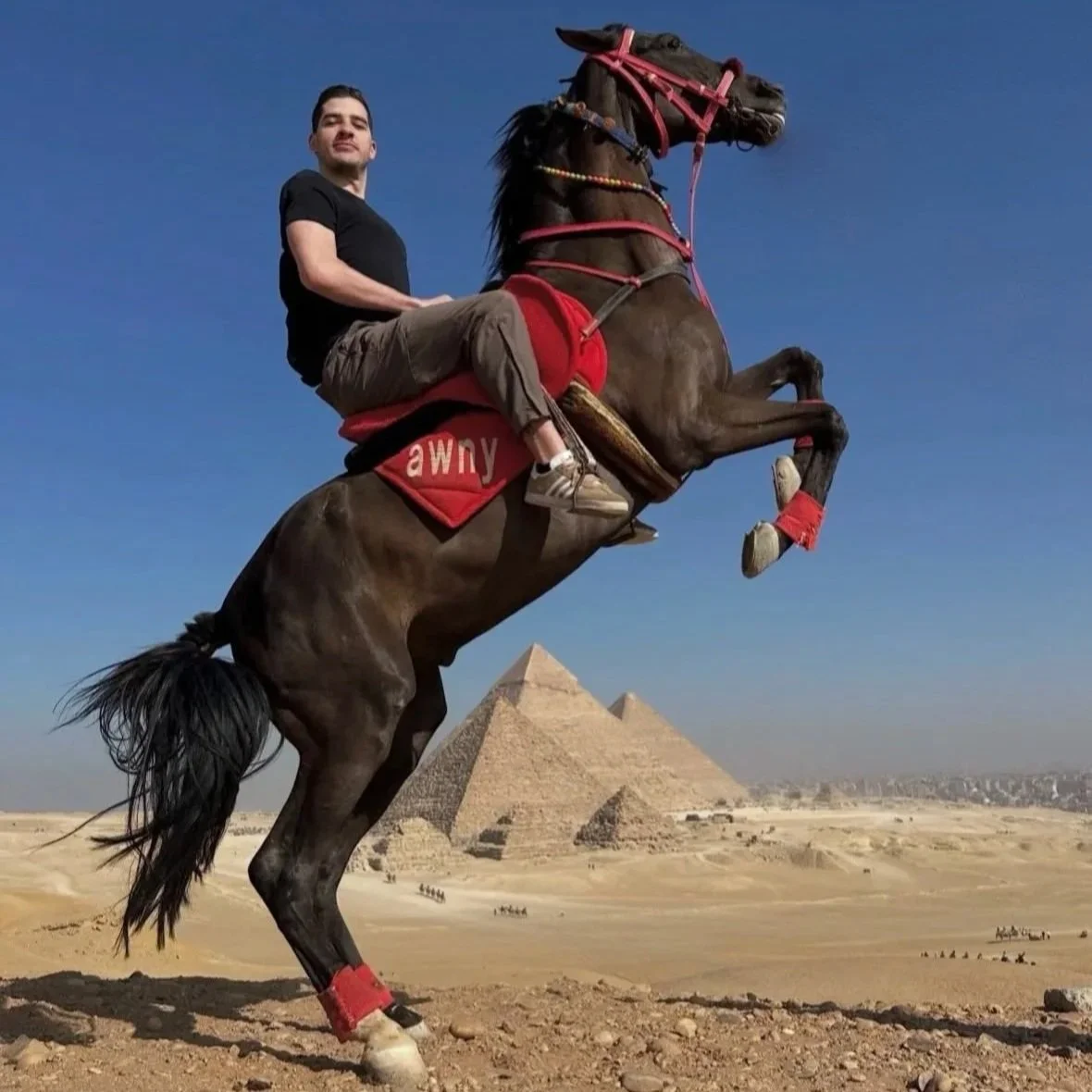
Source: The Empire City Wire. You can see heavy air pollution on the horizon just behind the pyramids.
Cairo & Giza
Cairo and the surrounding area is a metropolis consisting of 20 million people, and its atmosphere reflects that scale. In the mornings, the air is often thick with heavy pollution and mist. It can be quite jarring for first-time visitors, but there is a silver lining: the smog usually “burns off” by the afternoon, revealing the city's chaotic beauty under the sun.
Located on the western edge of Cairo, the Giza Plateau serves as the bustling "Times Square" of Egypt—a high-energy hub where ancient history meets modern tourism at a dizzying pace.
Just as Times Square is the heart of Manhattan’s commercial energy, Giza is the epicenter of Cairo’s travel economy, constantly swirling with motion from sunrise to sunset. The area is densely packed with locals offering camel rides, horse rides, and guided tours, creating an atmosphere that is as chaotic as it is iconic.
The tour guides and locals are also excellent photographers. Using only your personal smartphone, they will direct you into “forced perspective” poses—making it look like you are kissing the Sphinx, holding the tip of the Great Pyramid, or leaning casually against a structure that is thousands of years old. Their ability to find the perfect lighting and frame, even during the crowded midday rush, is truly a craft in itself.
It is essential to remember that tipping is the engine of the Giza experience. Because these guides and photographers often go above and beyond—taking dozens of photos, managing the animals, and sharing local lore—a generous tip is considered a standard and necessary gesture for their exceptional service.
Source: The Empire City Wire
The Legend of King Tutankhamun & GEM
No trip to Egypt is complete without the Boy King, whose story is more “human” than the grand monuments might suggest. You can now see his full collection at the New Grand Egyptian Museum (GEM).
While the Grand Egyptian Museum offers a vast journey through 5,000 years of history, the King Tutankhamun galleries serve as the emotional heart of the complex, reuniting all artifacts from his tomb for the first time since their discovery.
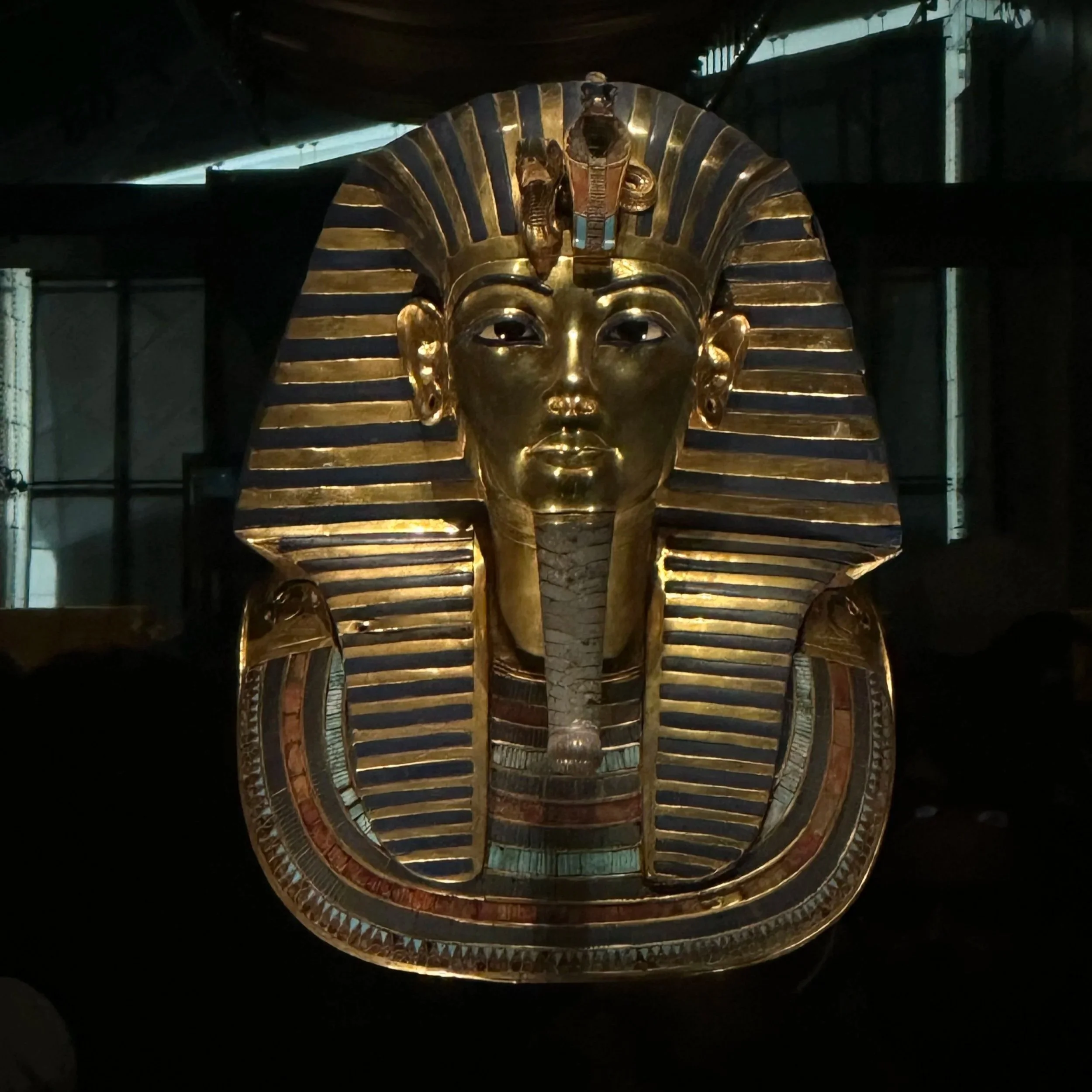
This state-of-the-art exhibition uses advanced climate control and immersive storytelling to guide visitors through the boy king’s life, displaying everything from his iconic 25-pound solid gold death mask to more intimate, “human” items like his childhood toys and linen gloves.
A Hasty Farewell: Despite his fame, Tutankhamun’s tomb was actually a “rush job.” Because he died unexpectedly at just 18, his tomb was sloppily thrown together and is much smaller than those of his peers.
The Preservation Paradox: Ironically, it was this small size and a covering of debris that saved him from looters for millennia. When discovered in 1922, it became known as the best-preserved royal tomb ever found.
The Mona Lisa of Egypt: His iconic gold head mask is widely considered the “Mona Lisa” of the ancient world—a masterpiece that demands a silent moment of reflection. Most head masks were actually gilded wood but King Tut’s mask is one of the few that is actually solid gold.
Source: The Empire City Wire
Luxor
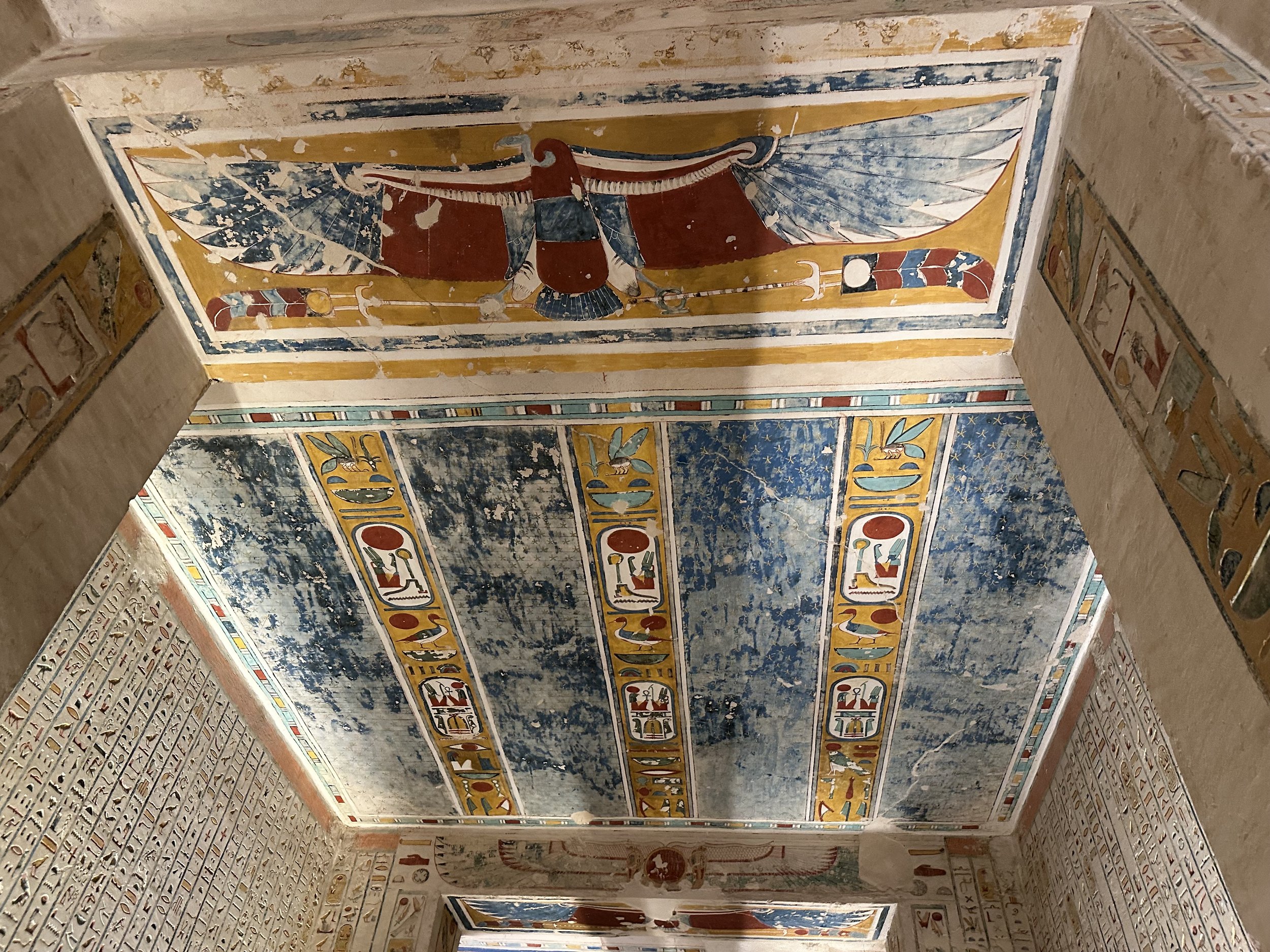
As you move south from Cairo, Luxor emerges as a destination of profound spiritual contrast, divided by the Nile into two distinct realms that mirror the Egyptian cycle of life and death. The West Bank, known as the "City of the Dead," houses the storied Valley of the Kings, where the tombs of the Pharaohs were carved deep into limestone cliffs to safeguard their journey into the next world.
These rock-cut corridors are home to hieroglyphics and painted murals so vibrant they appear as if they were finished yesterday, their colors preserved by the dry desert air for millennia.
This geographic choice was deeply symbolic: the West Bank, where the sun sets each evening, was inextricably linked to death and the afterlife. In contrast, the East Bank—the "City of the Living"—represented birth and daily renewal as the site of the rising sun.
While the West was reserved for memory and eternity, the East Bank was the heart of religious and political life, dominated by sprawling temples like Karnak and Luxor Temple. Here, the living gathered to worship the gods, ensuring that the empire’s vitality remained as constant as the river that flows between these two worlds.
Source: The Empire City Wire
A History Still Unfolding
Perhaps the most exciting part of visiting Egypt in 2026 is the realization that you are standing on a giant, unread book. Professionals estimate that only 30% of ancient Egypt’s history has been discovered.
Thousands of years of secrets and numerous royal tombs are still waiting beneath the sand. Every year brings new headlines, meaning the Egypt you visit today might be fundamentally redefined by a discovery made tomorrow.
Additionally, the newly opened Grand Egyptian Museum now serves as a beacon for curious travelers from around the world and will prove to be a boon for Egypt's tourism industry and maybe even the entire archaeology industry moving forward. According to Reuters, Egyptian officials believe the Grand Egyptian Museum, or GEM, alone could draw as many as 7 million additional visitors annually after it opens on Saturday, helping boost total visitors to around 30 million by 2030.