The NYC Childcare Roadmap: Navigating Costs and New Programs in 2026
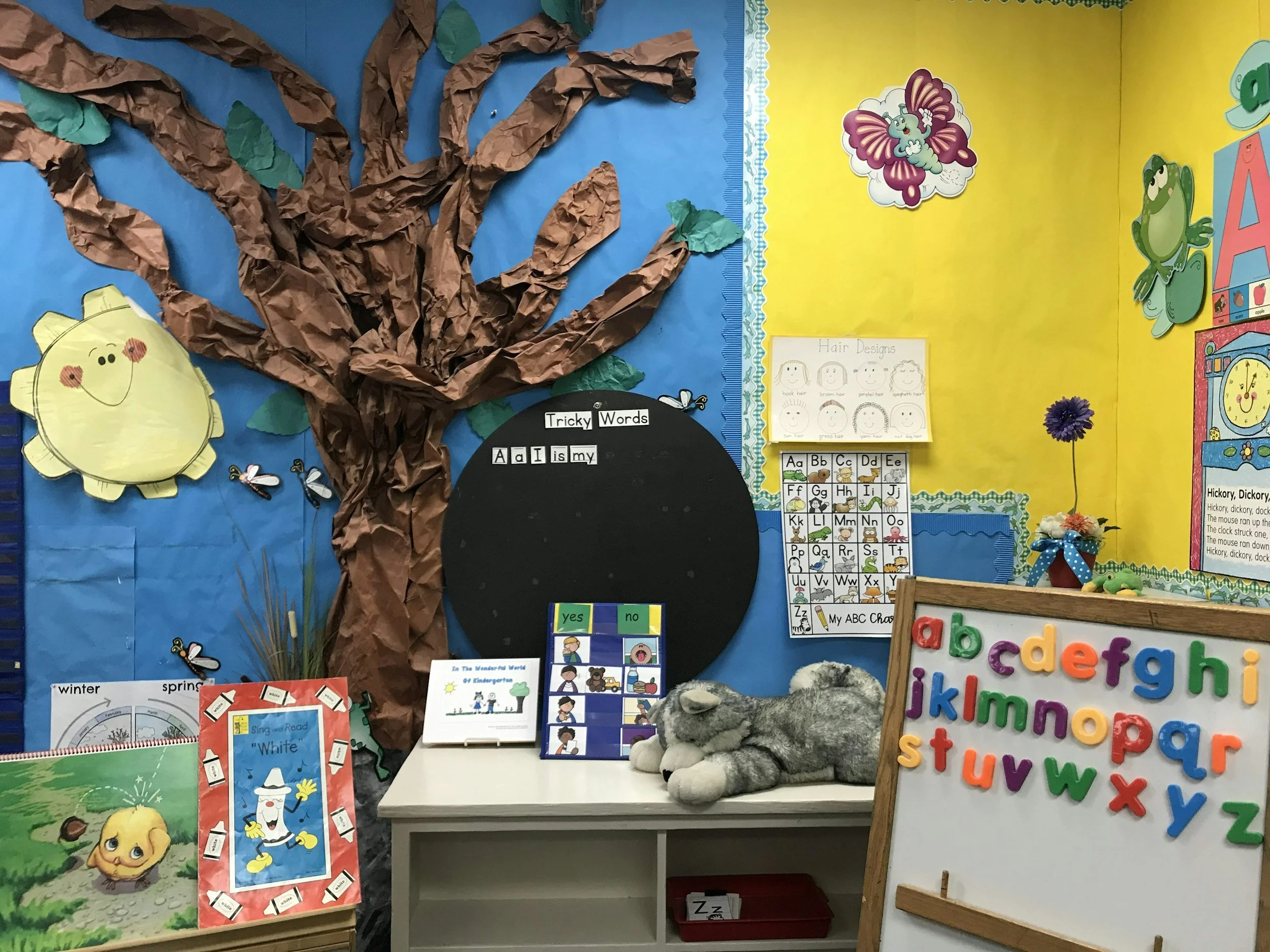
Source: Squarespace/ Unsplash
The NYC Childcare Roadmap: Navigating Costs and New Programs in 2026
Quality childcare is the cornerstone of a thriving society because it provides children with the essential cognitive and social foundations for lifelong success while simultaneously empowering parents to participate in the workforce, driving immediate economic stability and long-term growth.
For many New York City parents, finding childcare feels like a second full-time job. Between the "crushing cost" and a complex web of city-run programs, the landscape is shifting rapidly. As of January 2026, a new partnership between Governor Kathy Hochul and Mayor Zohran Mamdani is aiming to transform NYC into a leader for universal access.
Whether you are a new parent in Brooklyn or managing a household in the Bronx, here is the current state of childcare in the five boroughs.
1. The "2-Care" Revolution and Universal 3-K
The headline for 2026 is the launch of 2-Care, an unprecedented initiative to provide entirely free childcare for two-year-olds.
Availability: The program is rolling out this fall starting with 2,000 seats in high-need areas, with plans to expand to 30,000 seats over the next four years.
3-K and Pre-K: The city’s 3-K and Pre-K for All programs remain the backbone of public early education. For the 2026-2027 school year, children born in 2023 are eligible for 3-K, and those born in 2022 are eligible for Pre-K.
Deadline: The application window for these programs is currently open and closes on February 27, 2026. Families can apply via MySchools.nyc.
2. Financial Assistance and Vouchers
If you don't qualify for the universal programs yet, or need extended hours, the Child Care Assistance Program (CCAP) is your primary resource.
Eligibility: Families earning up to 85% of the State Median Income (roughly $114,000 for a family of four) may qualify.
The "$15 Cap": New state funding allows most eligible families to access care for no more than $15 per week.
Where to Apply: All NYC-based applications should be submitted through the MyCity Portal.
3. Understanding the Different Settings
In NYC, childcare is divided into several categories depending on your needs and the child's age. These include Early Education Centers, which are regulated by the DOHMH and are typical for 3-K and Pre-K programs. There is also Family Child Care, which is home-based and best for infants in a "homey" environment, or Group Family Care, which accommodates 7–12 children with assistants. Lastly, Legally Exempt Care covers care provided by relatives or neighbors, often funded via vouchers for informal care.
4. Current Challenges: The Federal Freeze
Despite the local push for universal care, families face a new hurdle: the federal freeze on certain childcare funds. The current administration in Washington has paused funding in five states, including New York, citing concerns over fraud. While Governor Hochul has committed $1.7 billion to bridge these gaps, the long-term impact on subsidy availability remains a point of concern for city advocates.
How to Start Your Search
Check Eligibility: Use the NYC MyCity survey to see which subsidies you qualify for.
Search the Database: Use NYC Child Care Connect to see inspection reports and violation histories for any center you are considering.
Visit in Person: Regardless of the rating, the Office of Children and Family Services recommends visiting any provider to check the "quiet areas" and child-to-staff ratios for yourself.